
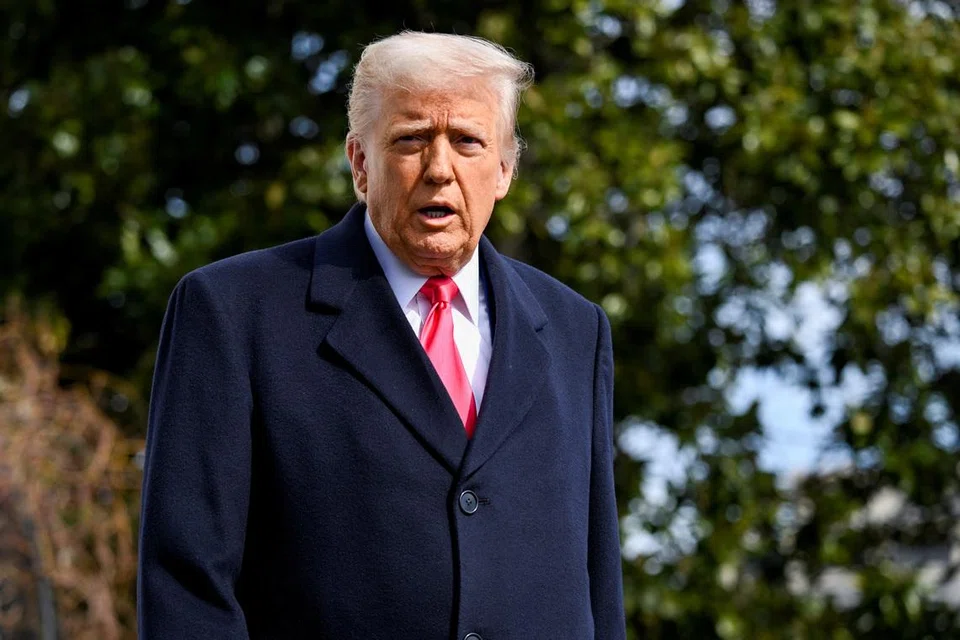
President Donald Trump has asked the Supreme Court of the United States to step in and allow his administration to end deportation protections for around 6,000 Syrian migrants living in the United States. The emergency request was filed by the Justice Department as part of the government’s effort to terminate Temporary Protected Status, commonly known as TPS, for Syrians.
The administration is seeking to overturn a November ruling by U.S. District Judge Katherine Polk Failla in Manhattan, who blocked the decision to end TPS while legal challenges continue. Earlier this month, the U.S. Court of Appeals for the Second Circuit refused to suspend that ruling, keeping protections in place for now.
This marks the third time the Trump administration has turned to the Supreme Court over efforts to cancel TPS protections. In previous cases involving Venezuelan nationals, the court sided with the administration and allowed the revocation of protections affecting hundreds of thousands of people.
Temporary Protected Status is a humanitarian program created under U.S. law to protect migrants from countries facing war, natural disasters or other serious crises. It shields eligible individuals from deportation and allows them to work legally in the United States. Syria was first granted TPS designation in 2012 during the presidency of Barack Obama after the country descended into a prolonged civil war.
The Department of Homeland Security, led by Secretary Kristi Noem, announced in September that Syria’s TPS designation would be terminated. The department argued that conditions in Syria no longer met the legal standard for ongoing armed conflict posing a serious threat to returning nationals, particularly after major political changes in late 2024.
However, legal challenges quickly followed. Federal courts have also blocked the administration’s attempts to end TPS for migrants from other countries, including Ethiopia, South Sudan, Haiti and Myanmar. The Justice Department argued in its latest filing that lower courts are ignoring prior Supreme Court decisions and asked the justices to take up the case and hear arguments directly.
Supporters of ending TPS say the program has been overused and that some countries no longer qualify for emergency protections. On the other hand, Democrats and migrant advocates warn that removing TPS could force Syrians to return to unstable and dangerous conditions. They also argue that many U.S. employers rely on TPS holders for essential labour.
The Supreme Court has requested a response from the group of Syrians challenging the policy by March 5. The outcome of this case could significantly shape the future of Temporary Protected Status and the broader direction of U.S. immigration policy.