
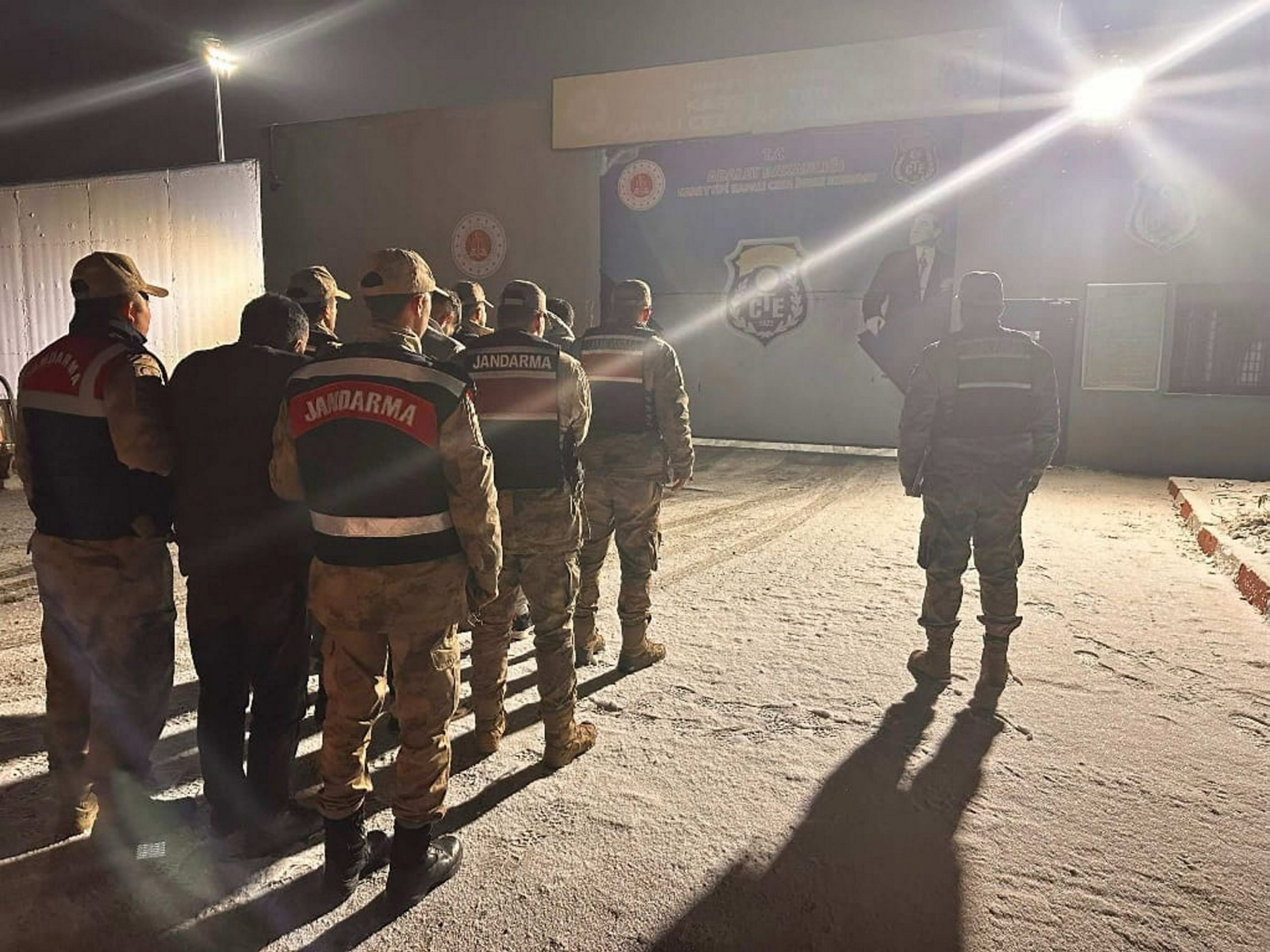
Turkish gendarmerie forces have dismantled a large and well-organized migrant smuggling network following coordinated security operations carried out across 14 provinces in Türkiye over the past two weeks. The nationwide crackdown was announced on Sunday by Interior Minister Ali Yerlikaya, who described the operation as a major step in the country’s ongoing fight against irregular migration and human trafficking.
According to Yerlikaya, a total of 156 suspected migrant smuggling organizers were detained during the operations. Out of this number, 112 suspects were formally arrested by the courts, while 44 others were released under judicial supervision as investigations continue. The arrests highlight the scale of the network, which authorities say operated across multiple regions and played a key role in facilitating illegal migration routes.
The operation targeted smuggling routes that stretched from large metropolitan areas to Türkiye’s coastal provinces, locations often used by criminal groups to prepare migrants for dangerous sea crossings toward Europe. These networks typically exploit vulnerable migrants by promising safe passage, only to expose them to life-threatening journeys by land and sea.
During the raids, security forces seized 120 vehicles and 13 boats believed to have been used in smuggling activities. These assets were reportedly used to transport migrants across provinces or to coastal launch points where smugglers attempt to send them toward European shores.
The coordinated operation was led by the Gendarmerie General Command’s Department for Combating Migrant Smuggling and Human Trafficking. Raids were carried out simultaneously in Edirne, Muğla, Aydın, Balıkesir, Izmir, Çanakkale, Tekirdağ, Antalya, Mersin, Van, Şanlıurfa, Erzurum, Hatay and Gaziantep. Authorities conducted extensive inspections both on land and from the air, deploying unmanned aerial vehicles alongside provincial gendarmerie units to monitor movements, identify suspects and disrupt smuggling routes.
Minister Yerlikaya emphasized that Türkiye remains committed to combating migrant smuggling and human trafficking in line with the rule of law and respect for human rights. He noted that border security has been significantly strengthened through the use of advanced technology, enhanced surveillance systems and tighter coordination between security agencies. He added that strong and deterrent measures are being applied both in the field and through the legal system to dismantle criminal networks involved in illegal migration.
Türkiye has intensified its efforts in recent years to crack down on migrant smuggling groups that exploit desperate migrants, often charging thousands of euros or dollars per person for illegal journeys toward Europe. Many migrants are exposed to severe risks during these journeys, especially at sea, where smugglers frequently abandon boats after collecting payments, leaving migrants stranded or in danger.
As a key transit country, Türkiye continues to play a central role in regional migration dynamics, particularly since the outbreak of the Syrian civil war in 2011, which triggered one of the largest displacement crises in modern history. Millions were forced to flee violence and instability, placing significant pressure on neighboring countries. Turkish officials say recent developments in Syria, including the fall of Bashar Assad, have contributed to a relative decline in migration pressure, although irregular migration remains a challenge.
Each year, hundreds of thousands of people flee war, persecution and economic hardship in hopes of reaching Europe in search of safety and better opportunities. At the same time, neighboring Greece has faced repeated accusations of carrying out illegal migrant pushbacks. Human rights organizations monitoring the Aegean Sea have reported that Greek coast guard vessels frequently intercept migrant boats and force them away from Greek territory, a practice widely criticized as a violation of international law, despite repeated denials by Greek authorities.