
The UK government has announced new visa restrictions on people travelling from the Democratic Republic of Congo (DRC) after authorities in the country failed to agree to measures that would allow the return of illegal migrants and foreign national offenders from Britain. The decision forms part of the government’s tougher approach to migration control and returns under recent asylum reforms.
According to the Home Office, the DRC has not made the changes required under the UK’s tightened asylum and immigration rules announced in November. As a result, fast-track visa processing for people from the DRC will be suspended, and politicians and so-called VIP travellers from the country will no longer receive preferential treatment when applying to enter the UK.
The government said the move is aimed at increasing pressure on countries that refuse to cooperate with the UK’s migrant return policies. Officials argue that returning people who have no legal right to remain in the UK is a key part of restoring confidence in the asylum system and reducing irregular migration.
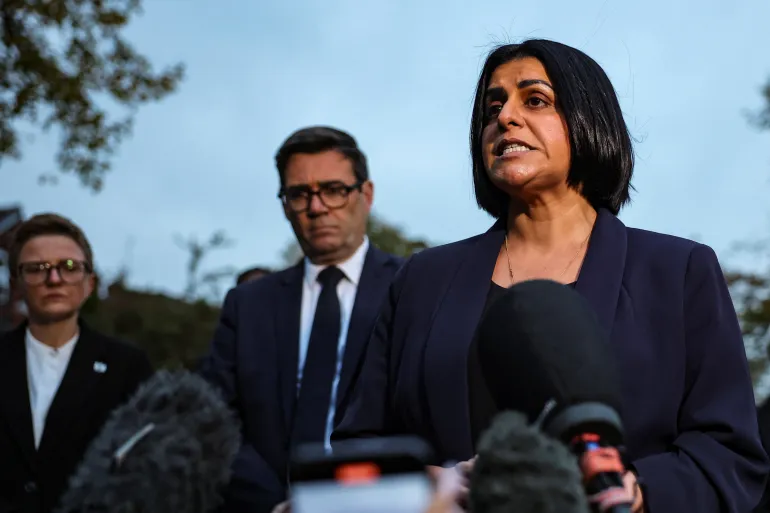
At the same time, the Home Office confirmed that Angola and Namibia have agreed to improve cooperation on accepting the return of their citizens, after both countries were warned they could face similar visa sanctions. A government source said the Home Secretary, Shabana Mahmood, would not hesitate to impose visa bans on other countries that refuse to take back their nationals.
The Home Office described the agreements with Angola and Namibia as the “first delivery success” following last month’s asylum reforms. Officials said improved cooperation could lead to the removal and deportation of thousands of people who are in the UK illegally or who have committed crimes.
Under the government’s new asylum measures, refugee status will become temporary rather than permanent, guaranteed housing support for asylum seekers will be ended, and new capped “safe and legal routes” into the UK will be introduced. The reforms are designed to reduce incentives for irregular migration while speeding up returns.
When announcing the reforms last month, Home Secretary Mahmood warned that visa penalties would be imposed on countries that fail to cooperate with return agreements. These penalties include an “emergency brake” on visas for countries with high numbers of asylum claims until they agree to take back citizens who have no legal right to remain in the UK.
The Home Office said returns to the DRC, Angola and Namibia had previously been delayed by administrative obstacles, including paperwork not being processed and migrants being required to sign their own documents, effectively blocking their removal. Officials described these practices as unacceptably poor and obstructive.
While the government acknowledged that the DRC has shown some engagement, it warned that stronger action could follow unless cooperation improves quickly. This could include a complete ban on visas for people travelling from the DRC to the UK.
Speaking on the issue, Home Secretary Shabana Mahmood said countries must respect international obligations and cooperate on returns. She thanked Angola and Namibia for their cooperation and urged the Democratic Republic of Congo to act swiftly, warning that continued refusal could lead to further restrictions on travel to the UK.