
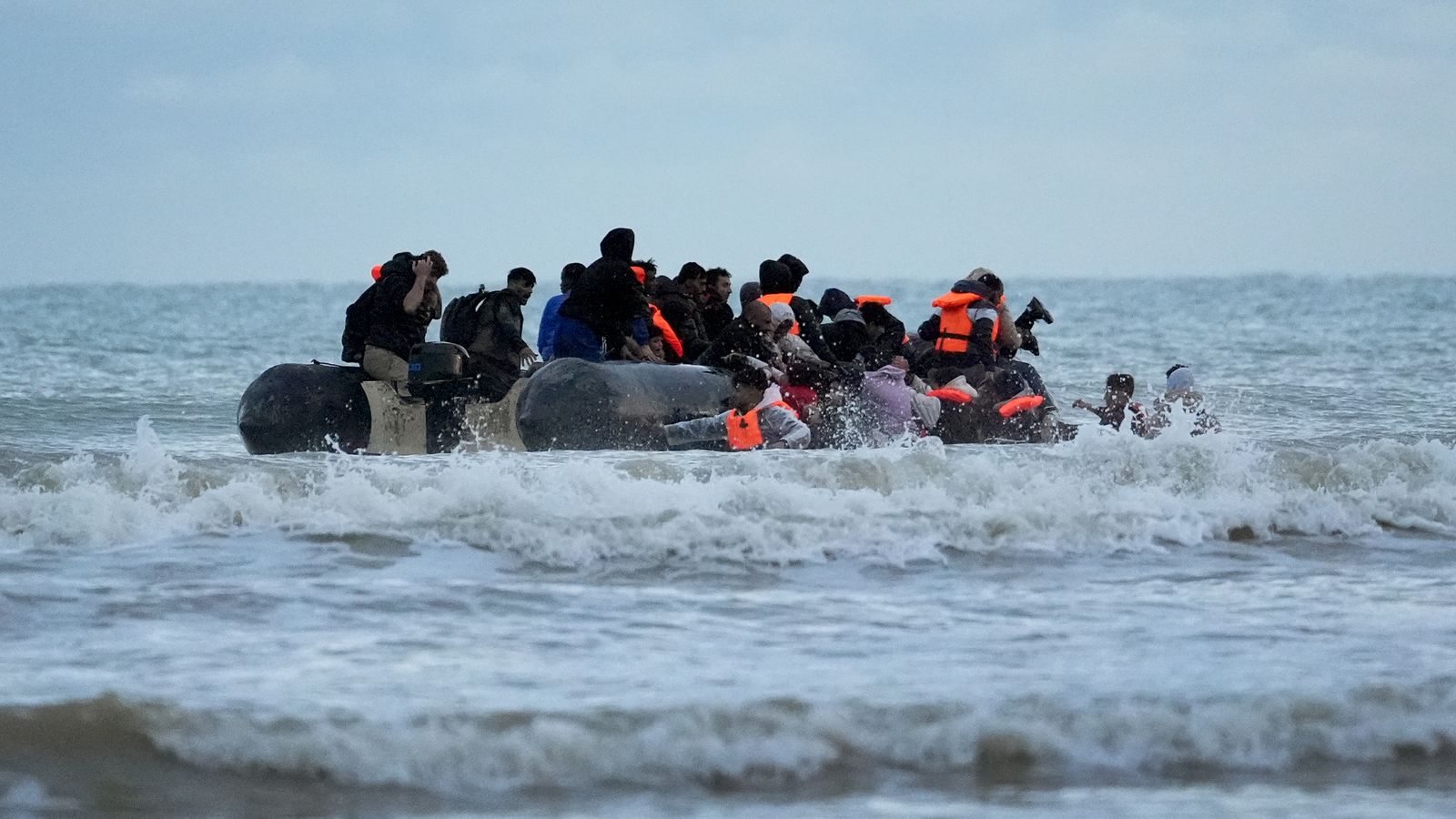
The UK government has announced new border laws that allow authorities to seize mobile phones and SIM cards from migrants arriving by small boats. The policy is aimed at disrupting people-smuggling networks and reducing irregular migration into the country.
Under the new rules, police and immigration officers will confiscate phones at the Manston processing centre in southeast England. The seizures can take place even if the migrant is not arrested. Authorities say the information found on phones, such as messages, contacts, and navigation data, could help trace smuggling routes and identify those organising illegal crossings.
The move is part of Prime Minister Keir Starmer’s wider effort to tighten border controls. Last year alone, more than 41,000 people crossed the English Channel in small boats, making it one of the highest figures recorded since 2018. The government says urgent action is needed to stop dangerous journeys and criminal gangs.
Border Security Minister Alex Norris said the new powers would help authorities dismantle smuggling networks faster. He explained that cutting off communication tools used by smugglers could save lives and restore control at the borders.
However, migrant rights groups have criticised the policy. Refugee Action described the law as anti-refugee, arguing that it criminalises people who are fleeing war, violence, and hardship. The group warned that seizing phones could leave migrants isolated and unable to contact family or legal support.
The opposition Conservative Party also questioned whether the policy would be effective. While supporting tougher border controls, they argued that phone seizures alone would not stop irregular migration and called for even stricter measures.
The new law also introduces serious criminal penalties for those involved in people smuggling. Anyone caught storing or supplying boat engines used for illegal crossings could face up to 14 years in prison. The government says this targets the supply chains behind the crossings.
In addition, the UK plans to make refugee status temporary and subject to regular review. Migrants may also have to wait longer before applying for permanent residency. The government says these changes represent the biggest shift in the UK asylum system in decades.
Will seizing migrants’ phones stop illegal crossings?
The UK government believes it will help weaken smuggling networks, but critics argue that people will continue to take risks unless safe and legal migration routes are expanded.