
The government of the United Kingdom is set to compensate dozens of migrants after a court found that the confiscation of their mobile phones upon arrival was unlawful. The decision follows a ruling by the High Court of England and Wales that a blanket policy used in 2020 violated migrants’ privacy and human rights.
The Home Office confirmed that payments would be made, with reports suggesting that each affected person could receive around £6,587 in compensation. However, officials have not confirmed how many migrants are eligible or whether further claims may still be processed.
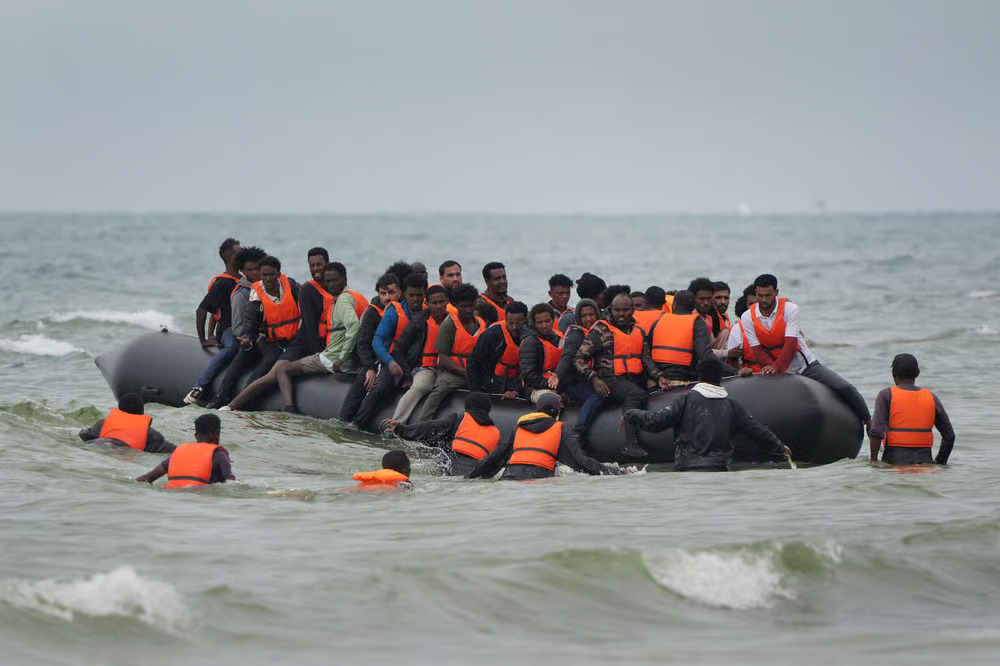
The case stems from a policy under which asylum seekers arriving by small boat across the English Channel had their phones and SIM cards seized as part of immigration processing. The court ruled that the practice was unlawful because it lacked a proper legal basis and failed to respect privacy protections.
Political reactions have been mixed. Former MP Robert Jenrick criticised the payouts, calling them a waste of public funds. Meanwhile, rights groups say the ruling highlights the importance of safeguarding the dignity and legal protections of people seeking asylum.
Despite the compensation, the government has introduced new powers under the Border Security, Asylum and Immigration Act 2025, which allows authorities to seize phones under certain conditions to gather intelligence related to people-smuggling networks. Officials say the measures are designed to disrupt organised immigration crime.
Phone seizures have already begun at facilities such as the Manston short-term holding centre in Kent, where technology is reportedly in place to extract data from devices. Law enforcement agencies, including immigration officers and the National Crime Agency, can now seize devices during searches or raids.
Critics warn that the expanded powers risk treating migrants as suspects and could undermine international protections for asylum seekers. Advocacy organisations argue that mobile phones often serve as migrants’ main connection to family members, as well as a vital store of documents needed for asylum claims.
Groups such as Migrant Rights Network and Jesuit Refugee Service have expressed concern that removing phones can isolate vulnerable people and hinder their ability to access support or communicate with loved ones.
The case reflects the broader tension in UK migration policy between enforcement priorities and human rights obligations, with ongoing debate over how far authorities should go in using surveillance and investigative powers in the asylum system.