
A new report has raised alarm over the situation of migrants in Libya, warning that many — including young girls — face extreme violence such as rape, torture, killings, and forced labour. The findings were released by the UN Human Rights Office together with the United Nations Support Mission in Libya, which called for a temporary halt to returning migrants to the country until proper human rights protections are in place.
According to the report, criminal trafficking networks — sometimes linked to armed groups and other actors — are rounding up migrants, separating families, and placing people in detention without legal process. Survivors described being held at gunpoint and transferred to facilities where abuse is widespread. The UN says these practices amount to arbitrary detention and serious violations of international law.
Why is Libya such a key migration route? Since the fall of former leader Muammar Gaddafi in 2011, the country has experienced years of instability and conflict, making it a major transit point for people fleeing war, persecution, and poverty across Africa, the Middle East, and beyond who are trying to reach Europe by sea.
The report is based on interviews with nearly 100 migrants, refugees, and asylum seekers from multiple regions. Many shared harrowing accounts of abuse. One woman described being detained for weeks in a trafficking house where she and other girls — some as young as 14 — were repeatedly raped until families paid ransom for their release. Others reported forced labour, lack of food, and physical violence.
UN officials also documented cases of women being publicly humiliated and assaulted, and of children being separated from their parents. The findings highlight how migrants are often trapped in cycles of exploitation, with traffickers demanding payments while subjecting victims to severe mistreatment.
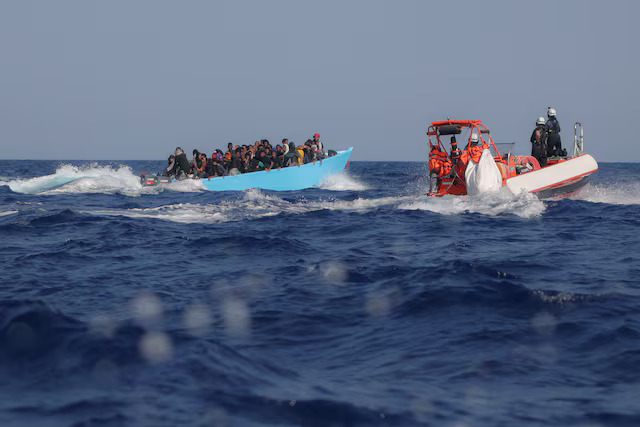
The report stresses the importance of search and rescue operations at sea, including efforts by humanitarian groups such as Sea-Watch, and urges the international community to reconsider policies that allow migrants intercepted in the Mediterranean to be returned to Libya despite ongoing risks.
What does the UN recommend? The agency is calling for a moratorium on returns to Libya until authorities can guarantee safety, access to justice, and humane conditions. It also urges stronger action against trafficking networks and improved protection for vulnerable people, especially women and children.
The findings add to growing international concern about the treatment of migrants in Libya and renew calls for coordinated global efforts to address the root causes of migration while ensuring that those on the move are protected from abuse and exploitation.