
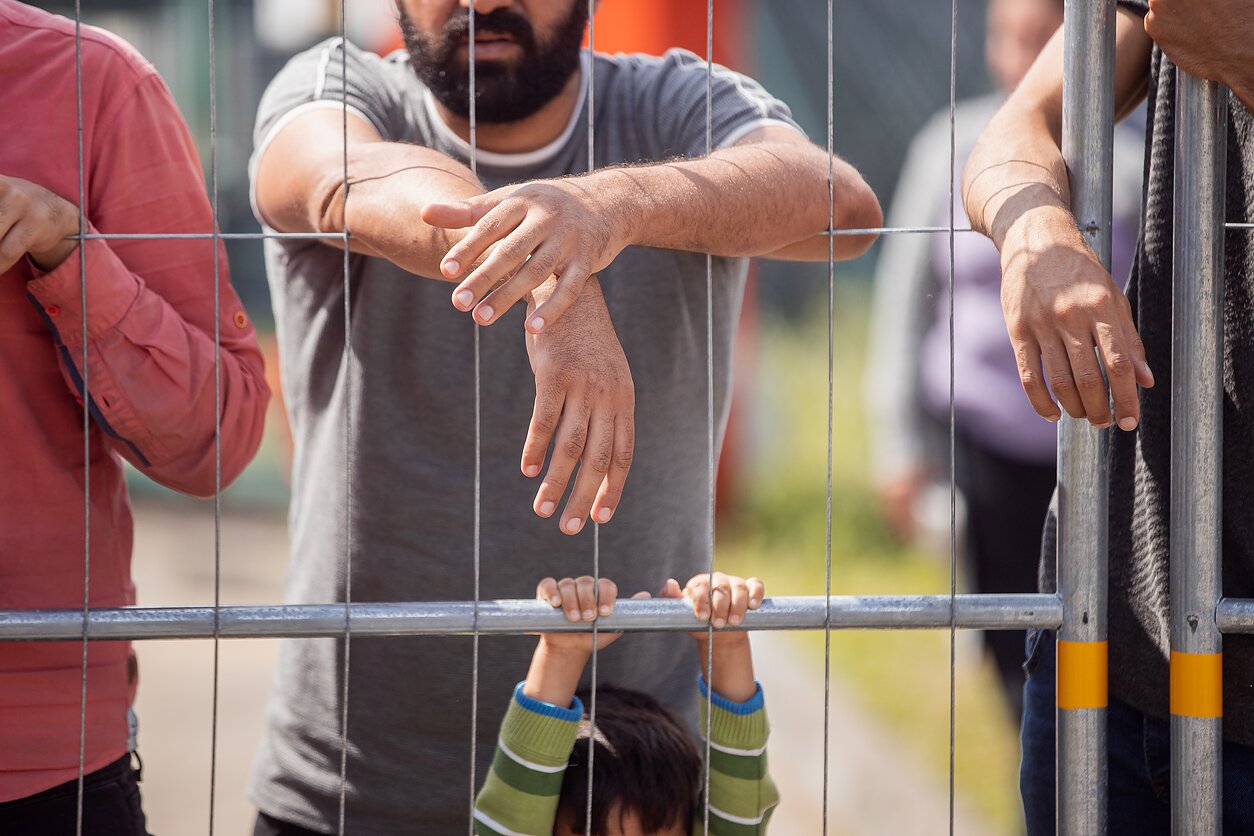
The United Nations refugee agency has urged Lithuania to review and end its policy of pushing back irregular migrants at its border with Belarus, warning that the practice goes against international refugee principles and EU commitments. The call was made by Annika Sandlund, the UNHCR representative for the Nordic and Baltic countries, during an interview with local media.
Sandlund said UNHCR understands concerns about migrants being used as political tools by states, but stressed that people caught in such situations are still victims. According to her, many migrants face exploitation by smugglers and criminal networks, and should not be treated as pawns in political disputes.
Lithuania has reported pushing back nearly 1,600 migrants so far this year, a sharp rise compared to just over 1,000 recorded in the whole of last year. Migrant movements from Belarus have continued since 2021, with Western countries accusing the Belarusian government of encouraging crossings to pressure the European Union.
Even when migrants are believed to be instrumentalised, Sandlund explained that their asylum claims must still be assessed individually. Being used for political purposes does not automatically remove someone’s right to protection. Refugee status, she noted, depends on conditions in a person’s home country, not on how they arrived at a border.
So what is UNHCR asking Lithuania to do? The agency wants the country to review its emergency laws, stop automatic pushbacks, and ensure that every migrant has access to an asylum procedure in line with EU and international law.
UNHCR also warned Lithuania against reducing its role under the EU Migration and Asylum Pact. The government recently announced it would accept only half of the migrants assigned to it under the EU solidarity mechanism and instead pay a financial contribution for the rest. Officials have argued that the country’s institutions can only properly screen a limited number of arrivals.
Sandlund responded by saying the EU pact was the result of years of negotiation and compromise. If countries start picking which parts to follow, she warned, the entire system could weaken. She added that the pact already allows countries to carry out security checks while still meeting their responsibilities.
Under the agreement adopted in 2024, Lithuania must either accept around 160 migrants each year or pay more than three million euros instead. While the country has pointed to the large number of Ukrainians it has already hosted, UNHCR insists that long-term stability depends on cooperation and respect for shared EU refugee rules.