
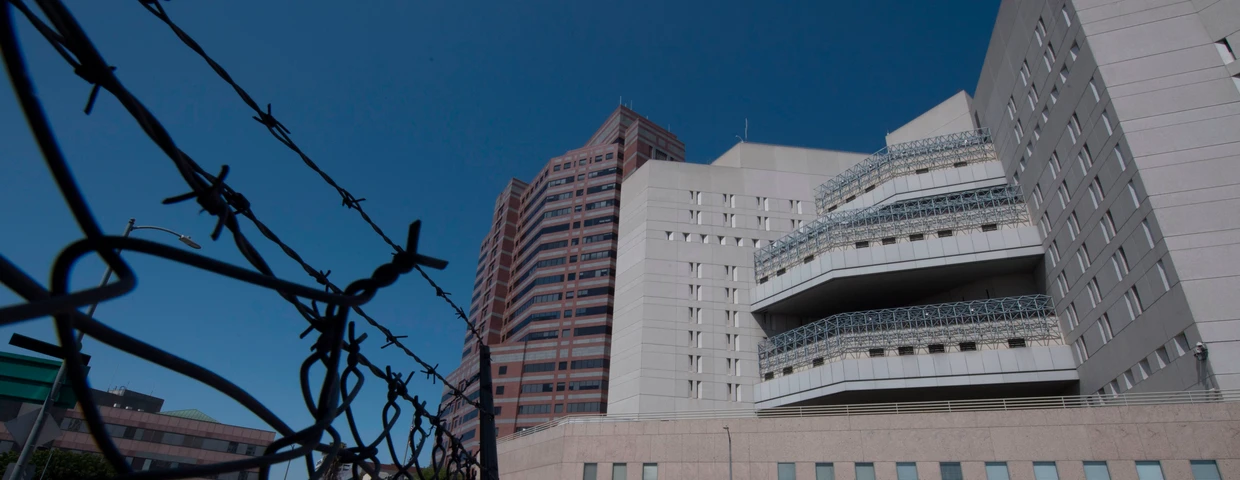
Federal prosecutors in the United States are raising concerns that a sharp rise in migrant detention court cases is putting heavy pressure on government legal resources. Six US attorneys said a “flood” of legal challenges filed by detained migrants has forced their offices to shift focus away from other important cases.
The warnings were included in formal declarations filed in December at the US Court of Appeals for the Fifth Circuit. The prosecutors said their offices received 534 habeas corpus petitions between July and December. These petitions are legal requests from detained migrants asking federal courts to review whether their detention is lawful.
The impact has been especially strong in Texas. In the Southern District of Texas alone, 180 detention-related petitions were filed during that period. Prosecutors said they had to reassign lawyers who normally work on criminal prosecutions to help civil division attorneys deal with the growing number of immigration detention cases.
Justin Simmons, the top federal prosecutor for the Western District of Texas, said staff members are working long hours but still feel overwhelmed. He warned that the number of cases was likely to grow even more during the holiday season. Reports show that petitions in his district jumped sharply in recent months, rising from fewer than 100 in November to hundreds more by December and January.
The legal filings were meant to convince the appeals court to speed up a migrant detainee’s case. However, they also revealed how immigration-related lawsuits are straining the Justice Department nationwide. The increase in cases is linked to changes in immigration enforcement policies that have led to more people being held in detention while challenging their removal.
The situation has also affected other states. In Minnesota, a government lawyer recently told a court she felt unprepared and overwhelmed by the number of migrant detention cases. Her comments drew attention to the wider pressure facing US attorney’s offices handling these legal battles.
In southern states such as Louisiana, prosecutors say civil division lawyers are working overtime on urgent detention cases. This has reduced the time available for other legal matters, including financial litigation and bankruptcy-related work. Officials say limited staffing has made it difficult to balance immigration cases with other federal responsibilities.
Legal experts believe the strain could worsen if immigration enforcement actions expand to more cities. Former federal prosecutor Laurie Levenson said there appears to be a gap between enforcement goals and the legal resources needed to process cases in court. She noted that large immigration operations often lead to a surge in court filings that require trained government lawyers to respond.
As migrant detention challenges continue to rise, federal prosecutors say the growing workload is testing the limits of the US legal system. The situation highlights how immigration policy decisions can quickly create ripple effects in courts across the country.