
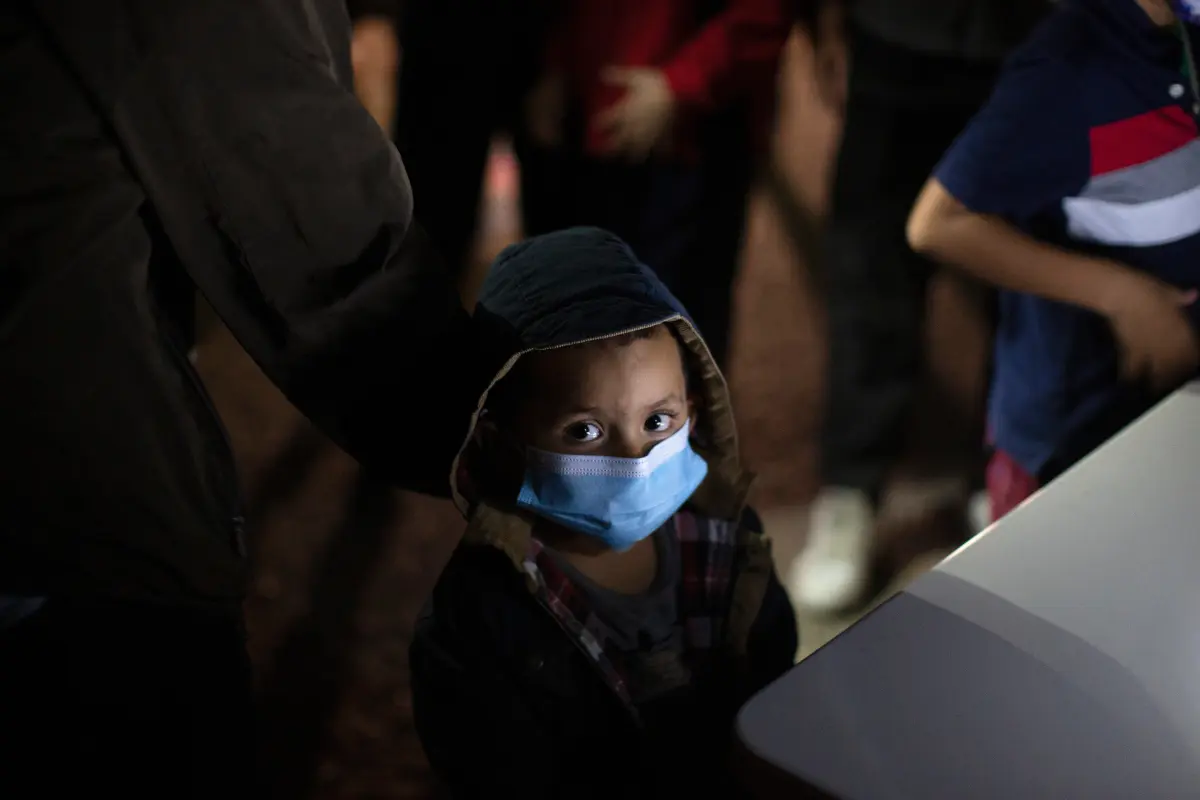
The Trump administration is establishing a team of government lawyers to represent unaccompanied migrant children in US immigration proceedings, raising concerns among advocacy organizations about the independence of the legal support being offered to minors.
A notice published by the Department of Health and Human Services (HHS) says lawyers working under a new division will provide direct legal services to children who enter the United States without a parent or legal guardian. Their responsibilities will include appearing on behalf of children in immigration court and representing them throughout their proceedings.
The move follows the administration’s decision to end its relationship with several organisations that previously provided legal assistance to unaccompanied children under government-funded programmes.
Under the earlier arrangement, the Acacia Center for Justice managed a network of more than 100 service providers offering legal representation to over 20,000 migrant children. The programme had become a major source of legal assistance for minors navigating the US immigration system.
The change has prompted criticism from immigration advocates, who argue that government-employed lawyers may not offer the same independence as attorneys working for organisations focused on representing children’s interests.
Michael Lukens, executive director of the Amica Center for Immigrant Rights, said children need independent legal advocates to ensure they receive a fair hearing. His organisation previously received government funding for legal services before its contract was terminated.
Jennifer Podkul, chief of global policy and advocacy at Kids in Need of Defense, also questioned the arrangement. She warned that having lawyers employed by HHS represent children could create a conflict of interest because several federal agencies involved in immigration enforcement and child custody would be part of the same government.
Advocates fear the new system could weaken children’s ability to challenge deportation decisions and protect their rights. They have also raised concerns about disruptions to legal representation during the transition away from the previous programme.
The debate follows earlier changes to federal contracts for migrant children’s legal services. In August, a Texas law firm withdrew from consideration for a proposed $150 million contract after advocacy groups questioned its immigration-law experience. The administration subsequently faced further scrutiny over how legal representation for unaccompanied minors would be organised and funded.
Democratic lawmakers have also raised concerns about the replacement of established legal service providers, arguing that children need qualified attorneys familiar with immigration law and the specific protections available to minors.
The latest HHS plan places the government in a new role in the legal proceedings of unaccompanied migrant children. While the agency’s notice outlines the responsibilities of its attorneys, advocates continue to question whether the arrangement will provide the independent representation needed to protect children’s interests.
The disagreement comes amid wider changes to US immigration enforcement under President Donald Trump. For children facing immigration proceedings without their parents or guardians, access to effective legal assistance can be important in understanding their options and presenting their cases before a judge.