
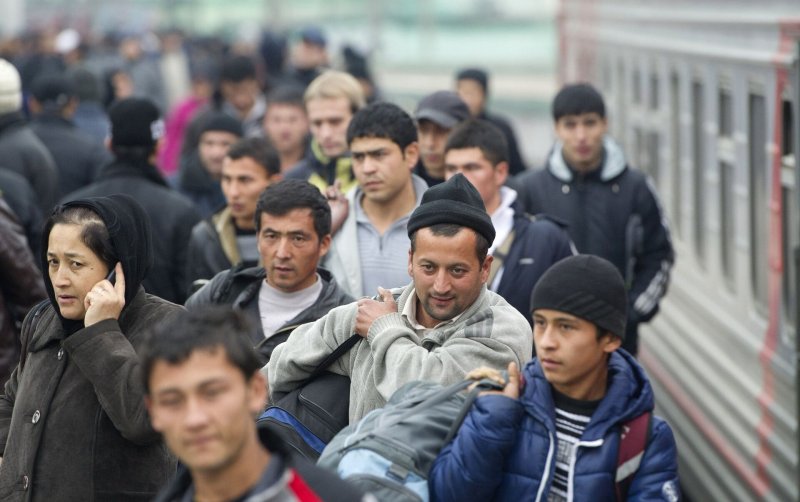
Uzbek migrant workers are increasingly leaving Russia for Saudi Arabia, signaling a major shift in the Eurasian labor market. Saudi Arabia recently announced it will accept at least 20,000 Uzbek labor migrants, particularly in the medical and social sectors, providing legal work visas, housing, contracts, and health insurance. Applications for these positions are set to open soon.
This move reflects more than just a bilateral employment agreement. For decades, Russia was the main destination for Central Asian migrant workers. Before the pandemic, millions of migrants from the region, including over 1.5 million Uzbeks, worked in Russia, sending remittances that supported households and regional economies.
However, Russia’s tighter migration policies, including stricter language and history tests, frequent police raids, expanded grounds for deportation, and administrative pressures, have made it a high-risk destination. Uzbek migrants have faced growing insecurity, prompting many to look for safer alternatives.
Recent incidents, such as the death of an Uzbek national following a security raid in Khabarovsk in December 2025, have further heightened fears. The Uzbek government demanded a full investigation, highlighting the growing concern for its citizens’ safety in Russia.
Meanwhile, Russia is increasingly relying on Indian workers without imposing the strict requirements applied to Central Asian migrants. This selective approach has been viewed by experts as discriminatory, undermining Russia’s credibility as a reliable labor destination.
In contrast, Saudi Arabia’s Vision 2030 plan requires a growing workforce in health care, social services, engineering, and technical professions. Foreign labor already makes up over 40 percent of the workforce in the kingdom, a figure expected to grow as development projects expand. For Uzbek migrants, the Gulf states now represent a more secure and economically viable opportunity compared to Russia.
As Uzbekistan reduces its reliance on the Russian labor market, the shift toward Saudi Arabia demonstrates a strategic move by labor-exporting countries to ensure both economic benefits and safety for their citizens. For many Uzbek workers, this transition is no longer optional but necessary for their livelihoods and well-being.