
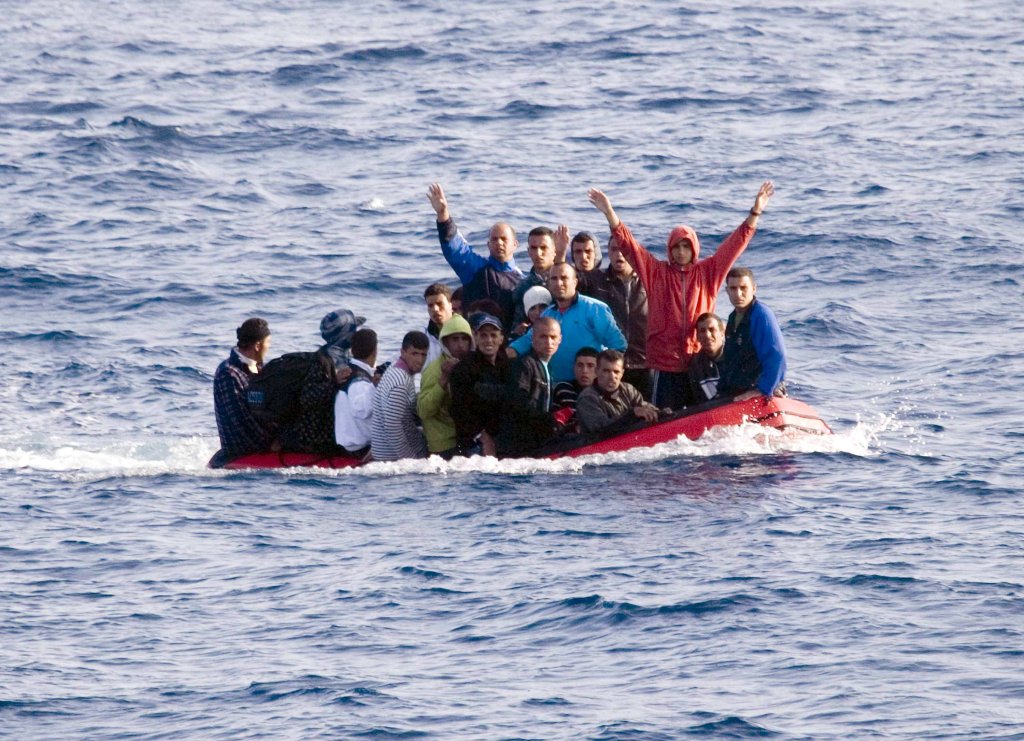
At least 17 Somali migrants have died after a boat capsized in the Mediterranean Sea off the coast of Algeria, highlighting once again the dangers faced by those attempting to reach Europe through irregular migration routes.
The incident occurred about 100 kilometers west of Algiers, according to information from Algerian authorities. Based on the location, officials believe the migrants were trying to reach Spain, one of the main destinations along the Western Mediterranean migration route.
Somalia’s ambassador to Algeria, Yusuf Ahmed Hassan, confirmed that the victims included 12 men and five women, most of whom drowned when the vessel overturned. He said he visited hospitals in the coastal town of Bou Ismail, where the bodies were taken, and met families searching for missing relatives.
Authorities have not yet released full details about the number of people onboard or the exact cause of the accident. However, such incidents are often linked to overcrowded and unsafe boats used by smuggling networks operating along North Africa’s coast.
Algeria has become a key departure point for migrants attempting to cross into Europe due to its strategic location between sub-Saharan Africa and the Mediterranean. In recent years, routes from Algeria to Spain’s Balearic Islands have seen increased activity, with many migrants risking the journey despite the dangers.
Smugglers frequently use poorly equipped vessels, putting lives at risk. Despite this, thousands of migrants continue to attempt the crossing each year, driven by conflict, poverty, and environmental challenges. In Somalia, prolonged drought and economic hardship have pushed more people to leave in search of better opportunities.
International organisations such as the International Organization for Migration have repeatedly warned about the rising death toll along global migration routes, with thousands of lives lost each year during dangerous journeys like this one.
The tragedy also highlights Algeria’s complex role in migration management. While the European Union has been working to strengthen cooperation with Algeria to curb irregular migration, the country has remained cautious about entering formal agreements, often relying on temporary or limited partnerships.
At the same time, Algeria has faced criticism from human rights groups over its handling of migrants. Reports have accused authorities of using harsh measures, including deporting migrants to remote border areas. The government has defended its actions, stating that it is protecting national security and controlling its borders.
This latest incident is a reminder of the human cost of migration and the risks many are willing to take in search of safety or a better life. As migration pressures continue to grow, calls are increasing for safer legal pathways and stronger international cooperation to prevent further loss of life at sea.