
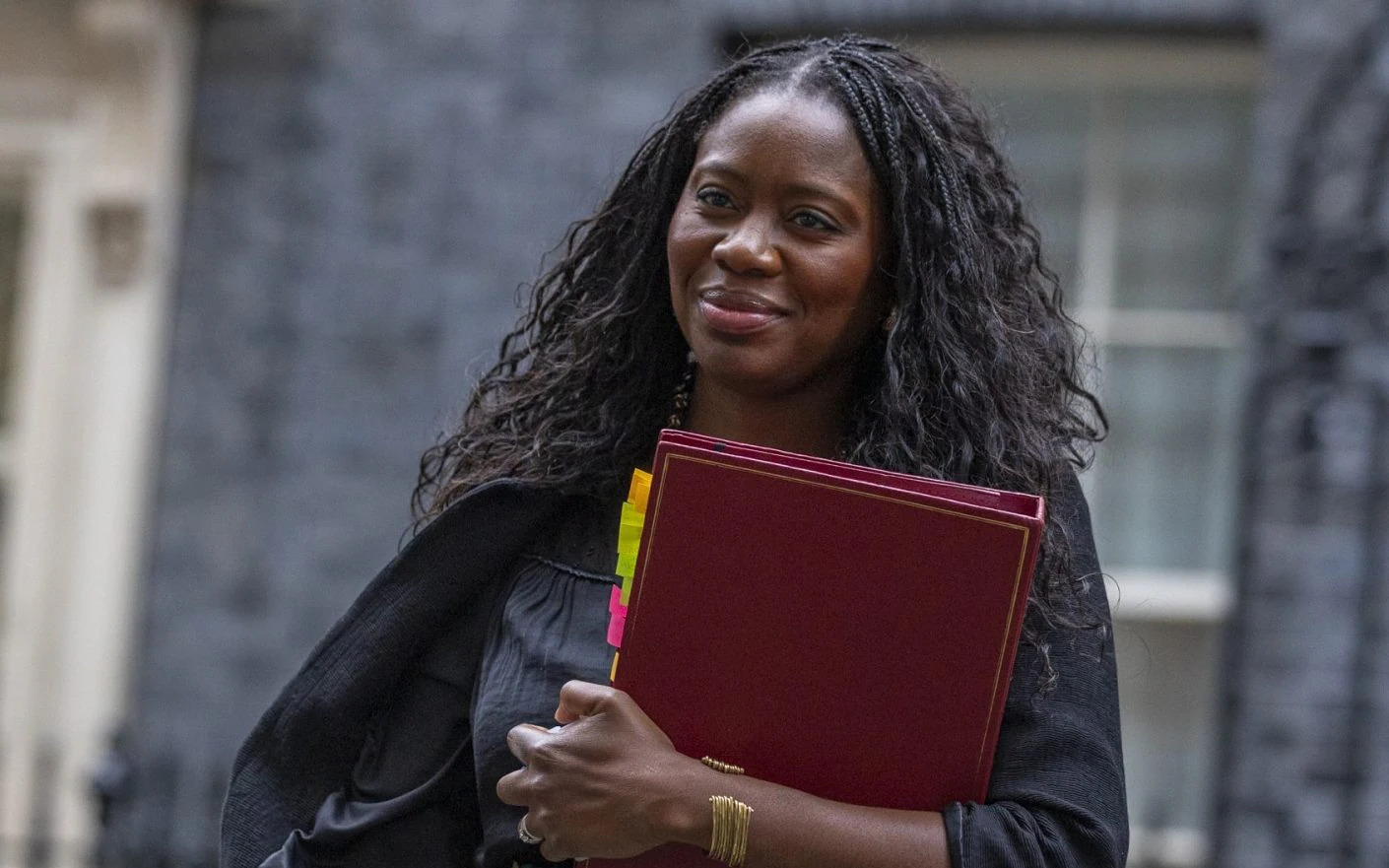
The UK government is facing growing divisions over proposed immigration reforms after Energy Secretary Miatta Fahnbulleh criticized plans to extend the time migrants must wait before qualifying for permanent settlement.
Fahnbulleh warned that lengthening the waiting period could undermine community integration and social cohesion. Her remarks have added to opposition within Prime Minister Andy Burnham’s Cabinet to Home Secretary Shabana Mahmood’s proposed immigration crackdown.
Writing on her constituency website, Fahnbulleh said the immigration debate had become increasingly divisive and called for a system that balances border control with compassion and integration.
She argued that repeatedly extending the time migrants must wait for permanent settlement could delay the process of building cohesive communities. She also pointed to Peckham, in south-east London, as an example of how opportunities to participate in community life can support integration.
However, allies of Fahnbulleh said her website statement, prepared by her team following a constituency meeting on September 25, did not accurately reflect her views and would be revised.
Mahmood’s proposed reforms would increase the standard qualifying period for indefinite leave to remain from five years to 15 years. Under the proposed system, some migrants could qualify sooner based on factors such as their earnings or contributions to their communities.
The plans have attracted criticism from Labour figures and trade unions, particularly over their potential impact on migrant care workers, many of whom came to Britain to support the country’s social care system.
Communities Secretary Angela Rayner previously warned that changing settlement rules could unfairly affect people who had already moved their lives to Britain after being invited to work in essential services.
Rayner argued that extending the waiting period would change the conditions migrants had expected when they arrived and could cause significant disruption to workers and their families.
Fahnbulleh, who arrived in Britain as a child refugee from Liberia, has also acknowledged the potential personal impact of the proposed changes. Speaking at the Labour Party conference, she said the rules would have created difficulties for her own family had they been in place at the time.
Despite her concerns about settlement rules, Fahnbulleh has supported efforts to address irregular Channel crossings. She has acknowledged public concerns about small boat arrivals while arguing that Britain also needs a more compassionate immigration system and reforms to its asylum process.
The disagreement is part of a wider debate within the government over immigration policy. Mahmood has indicated that she may reconsider aspects of the proposals following criticism from Cabinet colleagues and Labour MPs.
Burnham is also reportedly considering exemptions for foreign care workers and whether the new rules should apply to migrants already living in Britain. Such changes could reduce the impact on people who came to the UK under the existing settlement arrangements.
Trade union Unison, led by general secretary Andrea Egan, has also opposed the proposals and organised protests against the planned changes.
A Home Office spokesperson said the government believed permanent settlement should be earned rather than granted automatically. The department is reviewing responses to its consultation on parts of the proposed reforms.
Meanwhile, Conservative shadow home secretary Chris Philp criticised the disagreements within the governing party, arguing that Labour’s Cabinet members were undermining the government’s immigration policy. He called for a stricter settlement system focused on longer qualifying periods and migrants who make substantial economic contributions.
The debate leaves the government facing pressure to demonstrate control over immigration while addressing concerns about fairness, integration and the treatment of workers already contributing to British society.