
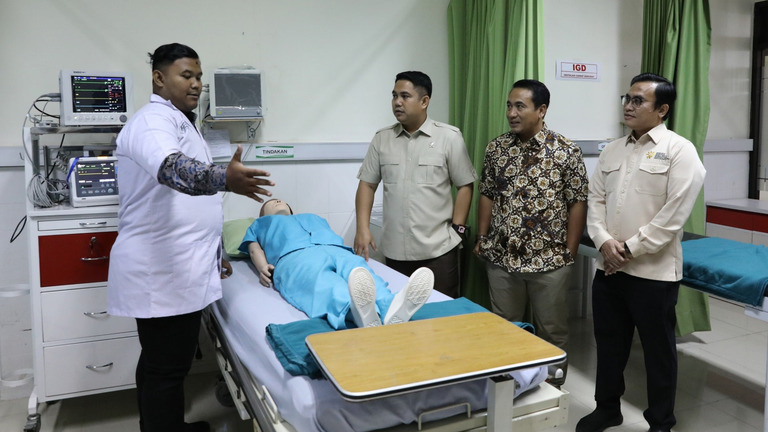
Indonesia has opened a new migrant worker training centre in Surabaya as part of efforts to prepare more workers for skilled and formal employment opportunities abroad.
The Migrant Center was inaugurated on August 29 at Muhammadiyah University of Surabaya, where it will offer skills training, language courses and professional certification to prospective Indonesian migrant workers.
The facility is being developed in cooperation with the Ministry of Migrant Workers Protection and is intended to help jobseekers meet the requirements of overseas employers.
Deputy Migrant Workers Protection Minister Dzulfikar Ahmad Tawalla said the government wants more universities to establish similar centres across Indonesia.
He said discussions had already taken place with about 23 universities regarding the development of migrant worker training facilities.
Muhammadiyah University of Surabaya, also known as Umsura, plans to begin recruiting its first 200 participants, with the selection process expected to start in September.
The programme will be open to a broad range of applicants. Eligible candidates will include graduates of senior high schools and vocational schools, as well as people holding Diploma-3 and bachelor’s degrees.
Initial training programmes will focus on areas where there is demand for Indonesian workers overseas. These include caregiving, nursing, construction, operational positions and technical occupations.
Language training will also form a major part of the programme, with courses in English, Mandarin, Japanese and German being prepared for participants.
Healthcare is expected to be among the centre’s key areas of focus. Dzulfikar said demand for Indonesian healthcare workers overseas had remained strong over the past three years, based on job orders recorded through the government’s SISKOP2MI migrant worker system.
Umsura already has facilities designed for healthcare education and professional certification, including a room used for Objective Structured Clinical Examinations.
The new centre is also linked to the government’s SMK Go Global programme, which seeks to expand pathways for vocational graduates into international employment.
Under the programme, authorities aim to prepare approximately 40,000 prospective migrant workers in 2026. The broader government target is to train and place 500,000 skilled Indonesian workers in overseas employment between 2026 and 2029.
The Surabaya initiative follows a cooperation agreement signed in April between the ministry and higher education institutions. The agreement seeks to expand training, improve preparation for overseas placement and strengthen protection mechanisms for Indonesian migrant workers.
Authorities say universities can play a significant role in creating a more structured pathway from education and skills development to formal overseas employment.
Dzulfikar urged more higher education institutions to participate, saying wider involvement would help the government build a stronger system for preparing and placing Indonesian workers abroad.
The initiative forms part of Indonesia’s broader effort to increase access to skilled international employment while ensuring prospective migrant workers receive appropriate training, certification and protection before leaving the country.