
The European Union has pledged an additional €25 million to support migration management in eastern Libya, expanding its cooperation with authorities in the region as it seeks to reduce irregular crossings into Europe.
The funding, reported by Reuters on October 13, will support border management, search-and-rescue operations and efforts to combat migrant smuggling. The announcement was cited in a letter from European Commission President Ursula von der Leyen to EU leaders.
The new funding comes as departures from eastern Libya have increased. The EU has stepped up engagement with authorities in the region, which is controlled by forces loyal to military commander Khalifa Haftar, despite formally recognising the government based in Tripoli in western Libya.
In July, the EU announced plans to establish a Maritime Rescue Coordination Centre in Benghazi, with support from Italy and Malta. The centre is intended to coordinate rescue and interception operations involving migrant boats travelling through waters off eastern Libya.
The plan had reportedly been under discussion since 2017 and forms part of broader efforts to strengthen migration management along routes used by people attempting to reach Europe, particularly Italy and Greece.
The latest pledge adds to years of European financial support for migration-related programmes in Libya. According to the European Commission, the EU adopted bilateral and regional migration programmes worth approximately €220 million between 2021 and 2024 under its Neighbourhood, Development and International Cooperation Instrument.
More than two-thirds of that funding was directed towards protection, voluntary humanitarian returns and evacuations. A further €465 million was allocated to Libya between 2015 and 2021 through the EU Emergency Trust Fund for Africa.
Libya has remained a major transit and departure country for migrants seeking to cross the Mediterranean since the 2011 uprising that toppled longtime leader Muammar Gaddafi. The collapse of central state institutions contributed to years of political division, with rival authorities exercising control over different parts of the country.
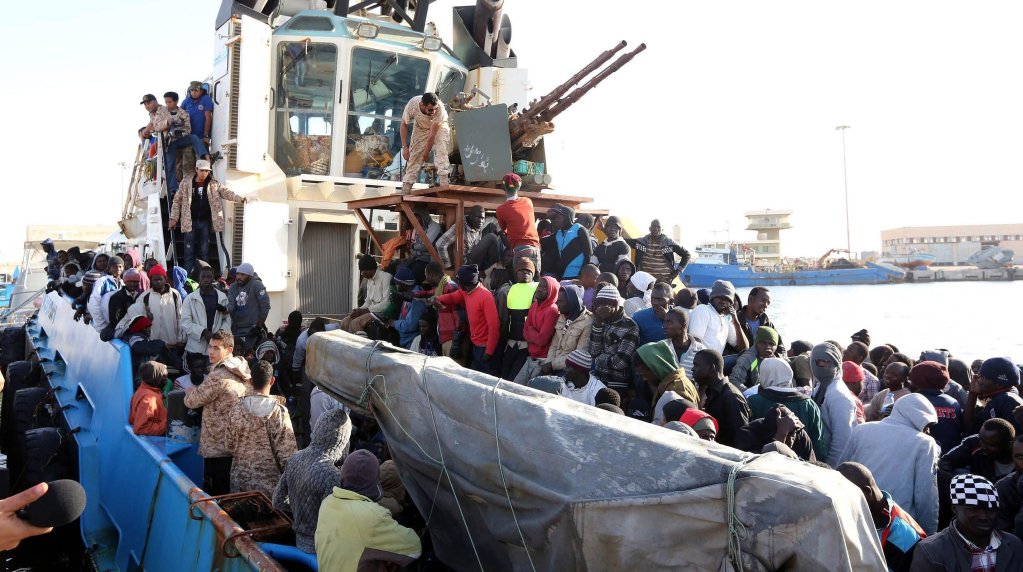
The EU and its member states have supported and trained the Libyan coastguard to intercept boats attempting the sea crossing. Migrants intercepted at sea are frequently returned to Libya, where human rights organisations have raised concerns about detention conditions and the treatment of migrants.
In a joint statement published on July 17, 2026, 31 organisations, including Human Rights Watch and Amnesty International, called on the EU to end what they described as abusive migration cooperation with Libyan authorities in both the east and west.
The organisations cited reports of detention, torture, sexual violence and forced labour affecting migrants in Libya. They argued that expanding cooperation without adequate safeguards could expose more people to serious human rights violations.
The EU has said its broader approach includes support for a rights-based migration management system and voluntary returns to migrants’ countries of origin. However, the latest funding is likely to keep attention focused on how European efforts to reduce irregular arrivals can be balanced with the protection of migrants’ rights.