
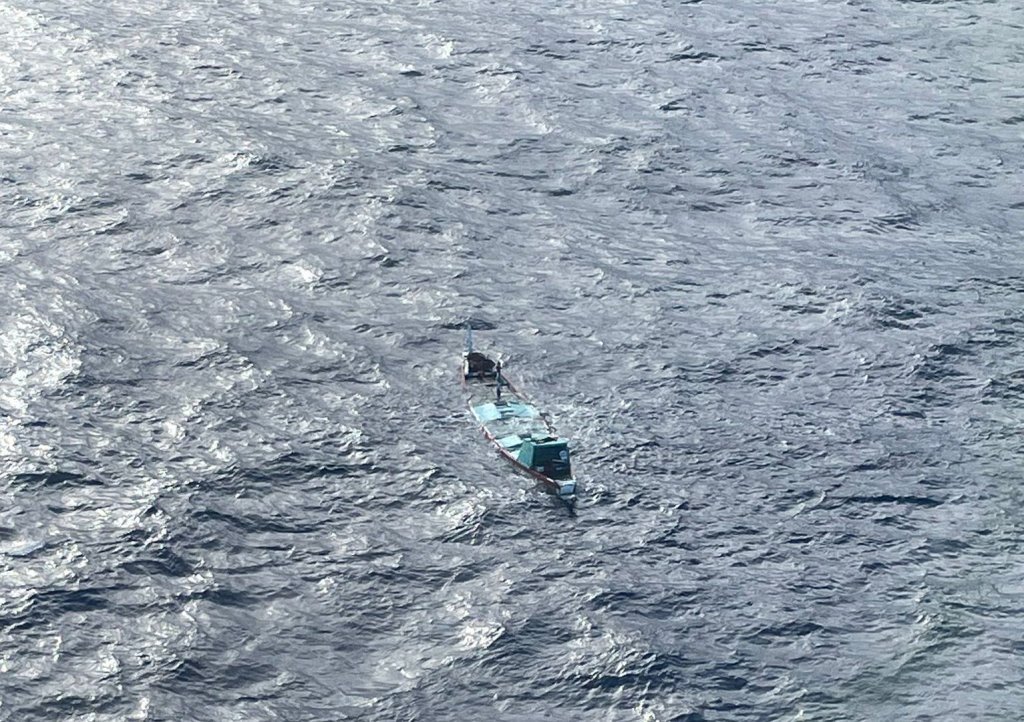
At least 12 migrants have died after a boat carrying people attempting to reach Europe capsized off the coast of The Gambia on October 15, with an unknown number still missing as rescue operations continue.
According to the Gambian Red Cross, the boat departed from Ginak Kajata, a village in northern The Gambia near the Senegalese border. Authorities have recovered 12 bodies, but the total number of people missing remains unclear.
The Red Cross said further information was expected as search and rescue operations continued.
The incident highlights the dangers facing migrants travelling from West Africa across the Atlantic Ocean in the hope of reaching Spain’s Canary Islands, an archipelago that forms part of the European Union.
The journey can take several days or weeks, often aboard overcrowded wooden boats that are poorly equipped for long sea crossings. Migrants frequently face strong winds, powerful ocean currents and limited supplies of food and drinking water.
Many people attempting the crossing are young, including children travelling without adults.
The Gambian coast has increasingly become a departure point for migrants seeking to reach Europe. In December last year, a similar shipwreck in the region killed more than 40 people, while others remained missing.
Tighter maritime patrols along the coasts of Morocco, Mauritania and Senegal have also contributed to a shift in departure points farther south along West Africa, according to the International Organization for Migration (IOM).
This has increased the distance migrants must travel to reach the Canary Islands. The journey from The Gambia covers more than 1,500 kilometres, exposing passengers to prolonged periods at sea and greater risks of shipwreck.
According to migrant rights organisation Caminando Fronteras, more than 1,300 people died or disappeared while attempting to reach the Canary Islands between January and May 2026. The organisation estimated that approximately 3,900 people died on the route in 2025.
The Atlantic migration route is considered one of the world’s most dangerous. Despite the risks, migrants continue to undertake the journey in search of safety, employment and better opportunities in Europe.
The latest shipwreck adds to continuing concerns over migrant deaths at sea and the need for stronger efforts to prevent dangerous crossings, improve rescue operations and address the factors driving people to leave their countries.