
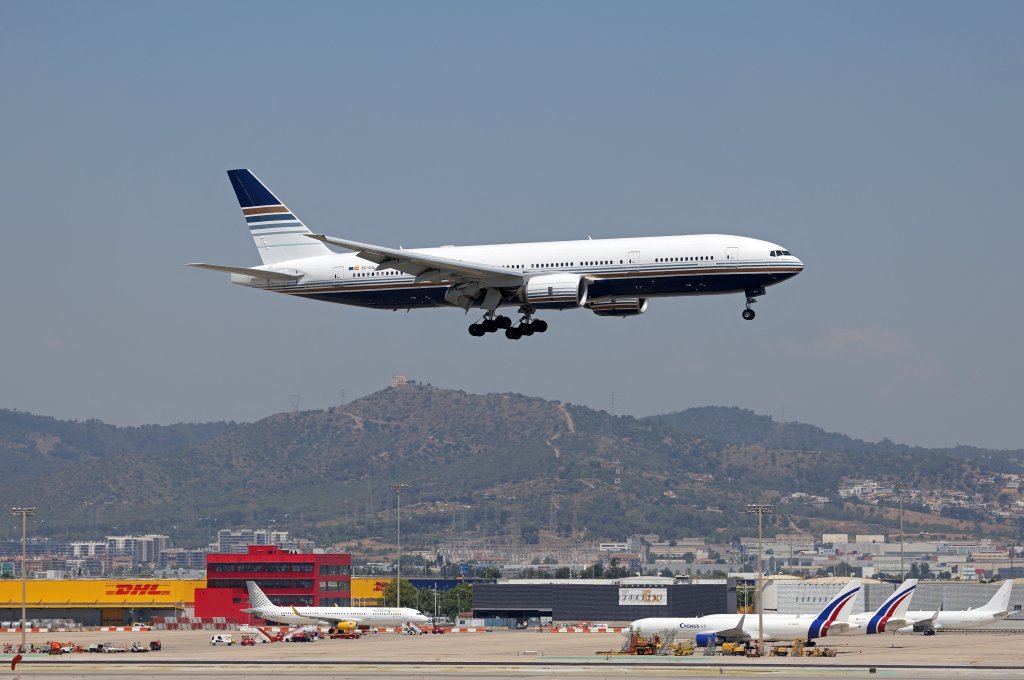
Thirty-five Bangladeshi nationals deported from Italy, Greece and Cyprus arrived in Bangladesh on Friday, October 23, aboard a charter flight as European countries and Bangladesh continue efforts to address irregular migration.
The group included 19 people returned from Italy, 10 from Greece and six from Cyprus. Their flight landed at Hazrat Shahjalal International Airport in Dhaka at 8:15 a.m. local time.
Upon arrival, the returnees received emergency assistance, counselling and financial support to help them travel to their home communities. The assistance was provided by BRAC, a Bangladeshi non-governmental organisation, through its Migration Programme, with support from airport security officials and the expatriate welfare desk.
Representatives from Bangladesh’s Ministry of Foreign Affairs and the European Union were also present at the airport.
Shariful Hasan, associate director of BRAC’s Migration Programme and Youth Platform, confirmed that all 35 returnees had arrived safely. He said they received support through the Prottasha-2 project, jointly funded by the European Union and BRAC.
The returnees will also receive financial assistance after completing counselling and training intended to help them rebuild their lives following their return.
BRAC supports Bangladeshi migrants returning from overseas, including those deported from European countries, by helping them address immediate needs and prepare for reintegration into their communities.
According to BRAC, approximately 5,000 Bangladeshi nationals have returned from Europe under return arrangements established through standard operating procedures agreed upon by Bangladesh and European countries in 2017. Cyprus, Italy, Romania and France are among the countries from which significant numbers have returned.
Information obtained by InfoMigrants indicates that the charter flight departed from Rome, Italy, with passengers from Greece and Cyprus reportedly travelling to the Italian capital to join the same flight. The aircraft also stopped in Cape Town, South Africa, and Islamabad, Pakistan, before reaching Dhaka.
The latest returns come amid closer cooperation between Bangladesh and the European Union on migration management and the promotion of legal employment opportunities.
Earlier in October, European Commissioner for Internal Affairs and Migration Magnus Brunner visited Dhaka for discussions with Bangladeshi officials. Both sides expressed support for eliminating irregular migration while expanding opportunities for skilled Bangladeshi workers to enter European labour markets through legal channels.
Brunner highlighted cooperation to combat human trafficking and disrupt irregular migration routes as shared priorities.
Bangladesh and European countries have also been exploring ways to strengthen legal labour migration, including cooperation between Bangladesh and Greece to make greater use of existing employment pathways.
These initiatives aim to reduce dangerous irregular journeys while creating more opportunities for Bangladeshis to work abroad through regulated migration channels.