
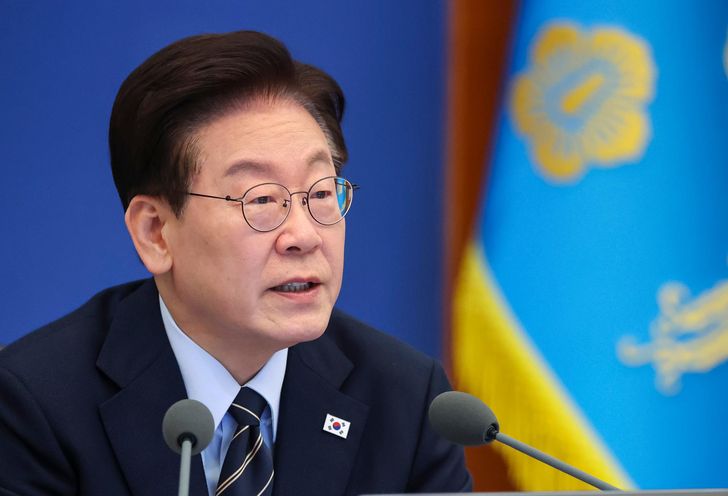
South Korean President Lee Jae Myung has pledged to support migrant workers by sending them winter clothing, saying they deserve safe working conditions and respect as members of the country’s workforce and communities.
Lee announced the gesture on Tuesday, November 10, through a social media post, saying he would personally contribute winter clothes to a campaign supporting foreign workers.
He said organisations and institutions in the southeastern city of Ulsan would join forces on November 15 to distribute winter clothing and workwear to migrant workers.
“Migrant workers are our colleagues and neighbours who help build our industrial sites and local communities alongside us,” Lee wrote.
He added that differences in nationality and language should not change the value of a person’s work. He also promised that the government would pay closer attention to ensuring all workers could carry out their jobs safely and receive respectful treatment.
Lee acknowledged the difficulties faced by people living and working far from their families, saying winter could feel particularly harsh in an unfamiliar country. Although a set of winter clothes might not completely protect someone from the cold, he said the care behind the gesture could provide lasting warmth.
The announcement comes weeks after the president faced criticism over comments questioning the economic contribution of migrant workers in South Korea.
Last month, Lee said foreign workers did not contribute much to the national economy because they sent their earnings to their home countries. His remarks triggered a backlash from migrant communities.
He made the comments while directing officials to consider ways of encouraging South Korean workers to take up jobs in agriculture through wage subsidies.
Lee argued that maintaining the country’s agriculture, forestry, livestock and fishing industries was important for national security. However, his suggestion that migrant workers contributed little to the economy drew criticism.
His latest message appears to place greater emphasis on recognising migrant workers as important members of South Korean workplaces and local communities.