
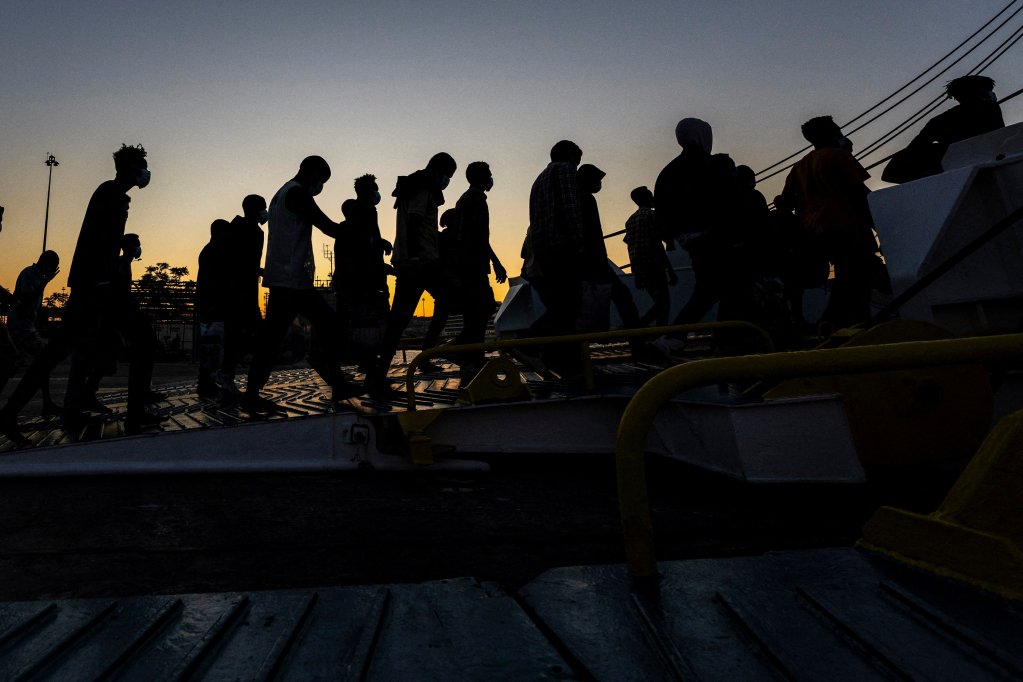
Greece has recorded a significant decline in irregular migrant sea arrivals during the first half of 2026, with the number of people reaching the country by boat falling by more than one-third compared with the same period last year.
Greek Minister for Maritime Affairs Vassilis Kikilias said nearly 15,500 migrants arrived in Greece through irregular sea crossings during the first six months of 2026. That compares with just over 23,000 arrivals recorded during the same period in 2025.
The latest figures represent a notable change in migration patterns across Greece’s maritime borders, particularly on routes from Turkey and Libya, which remain major departure points for people attempting to reach Europe by sea.
The largest decline was recorded among migrants arriving from Turkey. According to Greek government figures, arrivals from Turkey fell by almost 60 percent compared with the first half of 2025.
Arrivals from Libya also declined, although by a much smaller margin of around four percent. The Libyan route has remained an important migration corridor, particularly for people travelling towards Crete and the nearby island of Gavdos.
Kikilias attributed the overall reduction to the government’s tougher approach to irregular migration and increased patrols by the Greek coast guard. He also credited the strengthened maritime presence with helping rescue people attempting dangerous sea journeys.
Greek authorities have stepped up surveillance and maritime operations as migration routes across the eastern and central Mediterranean continue to change.
Despite the overall decline, some routes are experiencing continued pressure. More than 200 migrants recently reached or were intercepted near the southern Greek island of Gavdos, close to Crete. Greek authorities said the latest group was believed to have departed from Libya.
The continued arrivals from Libya come despite Greece strengthening cooperation with the North African country over the past year in an effort to reduce irregular migration and disrupt departures.
Greece received more than 49,000 irregular migrants in 2025, making the latest decline particularly significant for authorities seeking to manage pressure on the country’s islands and reception facilities.
However, the government figures also highlight the shifting nature of migration routes in the Mediterranean. While crossings from Turkey have dropped substantially, journeys from Libya towards Crete and Gavdos continue to pose challenges for Greek authorities.
The latest figures suggest that stronger border surveillance and changing migration patterns may be contributing to the reduction in arrivals, but the continued use of the Libyan route means Greece remains an important entry point for migrants seeking to reach the European Union.