
For migrants and refugees living far from home, food can be much more than a source of nourishment. Traditional recipes can preserve memories, strengthen cultural identity and create a sense of belonging in a new country.
Across the UK, migrant chefs are using food to keep those traditions alive while introducing wider communities to the flavours, stories and customs of their home countries.
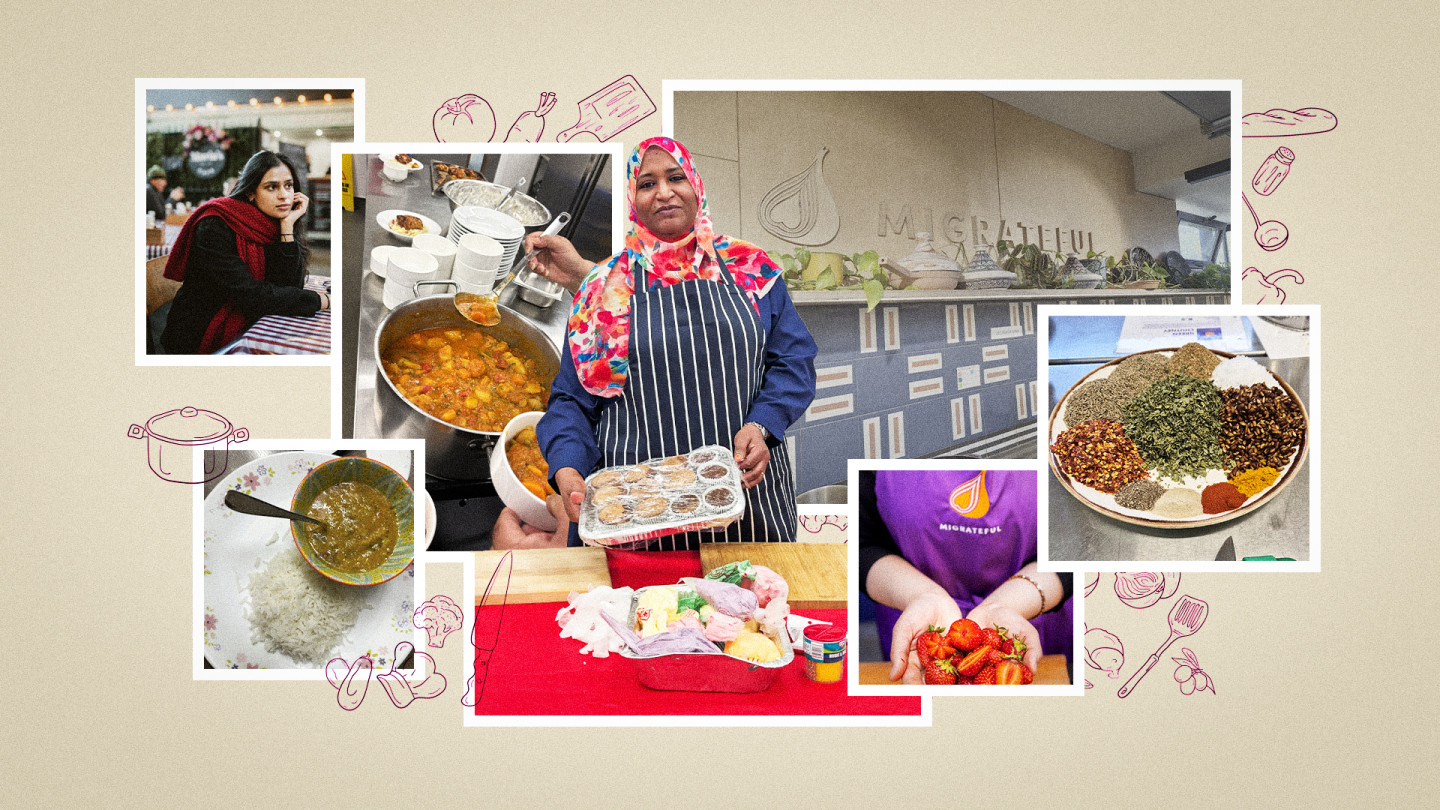
One initiative helping make this possible is Migrateful, a social enterprise that trains migrants, refugees and asylum seekers to teach their traditional cuisines to the public.
For many of its chefs, cooking provides an opportunity not only to share their heritage but also to overcome barriers that can make it difficult to find employment. Language challenges, immigration status and difficulties transferring overseas qualifications can prevent migrants from finding work that matches their skills and experience.
Teaching cooking classes offers an alternative route to earning an income, developing confidence and celebrating the cultures migrants bring with them.
For participants, meanwhile, the classes provide an opportunity to learn about international cuisines while hearing personal stories and connecting with people from different backgrounds.
Cooking as a Connection to Home
At one Migrateful cooking class, participants gathered to prepare a traditional Pakistani meal under the guidance of Chef KTK, who has lived in the UK since 2019.
She joined Migrateful to share her culture and culinary traditions with others.
“I believe food is a powerful way to bring people together,” she said, describing the organisation as a space where people can learn from one another, celebrate diversity and build connections through cooking.
Participants prepared a range of dishes, including pilau rice made with spices, raisins and chickpeas.
The dish has a long history, with variations found across Central Asia, the Middle East and South Asia. Each version reflects the traditions of the communities that have prepared it over generations.
For Chef KTK, Pakistani food is closely linked to memories of family gatherings and celebrations.
“Every dish tells a story and carries traditions that have been passed down through generations,” she said, adding that cooking allows her to share a part of Pakistan with others and create connections across cultures.
She learned to cook from her mother and grandmother as a child and now sees cooking as both a passion and an important life skill.
Living thousands of miles from Pakistan, she says food helps her remain connected to her roots.
Preserving Sudanese Culinary Heritage
Food is also central to the work of Maysoon Mohamed, a chef from Sudan’s Nubian community who is involved with Plateful Cafe, a refugee-led charity that helps refugees develop skills for the UK workforce.
Maysoon established her own business, Nubian Delights, to preserve her family’s culinary traditions while introducing British audiences to Sudanese cuisine.
Her range of traditional treats includes kahak, petit fours, basbousa, kunafa and bastah.
For Maysoon, food is deeply connected to family memories and community life in Sudan.
She recalls how families would gather each afternoon for their main meal, using the time to talk about their day, discuss plans and spend time together. Later, relatives and neighbours might join them for milk tea and traditional treats.
These shared meals, she said, created opportunities for conversation, laughter and stronger family bonds.
Maysoon moved to the UK with her husband to give their children access to better educational opportunities. Although leaving Sudan meant leaving behind familiar surroundings and traditions, she has worked to ensure her children remain connected to their heritage through traditional cooking.
Her involvement with Plateful Cafe has also helped her develop new skills through cake decorating and hospitality training.
She said the organisation focuses on recognising the skills and experiences refugees already possess rather than concentrating solely on the barriers they face.
Food as a Bridge Between Cultures
For migrant and refugee communities, traditional cuisine can provide an important link to home while also creating opportunities to engage with wider society.
Cooking classes and food businesses allow migrants to share recipes that have been passed down through generations, while creating spaces where people from different backgrounds can meet and learn from one another.
For chefs like KTK and Maysoon, the kitchen is therefore more than a workplace. It is a place where cultural identity can be preserved, memories can be passed on, and new relationships can be built.
Through food, migrant chefs across the UK are demonstrating how cultural traditions can survive displacement and migration while becoming part of the diverse social fabric of their new communities.