
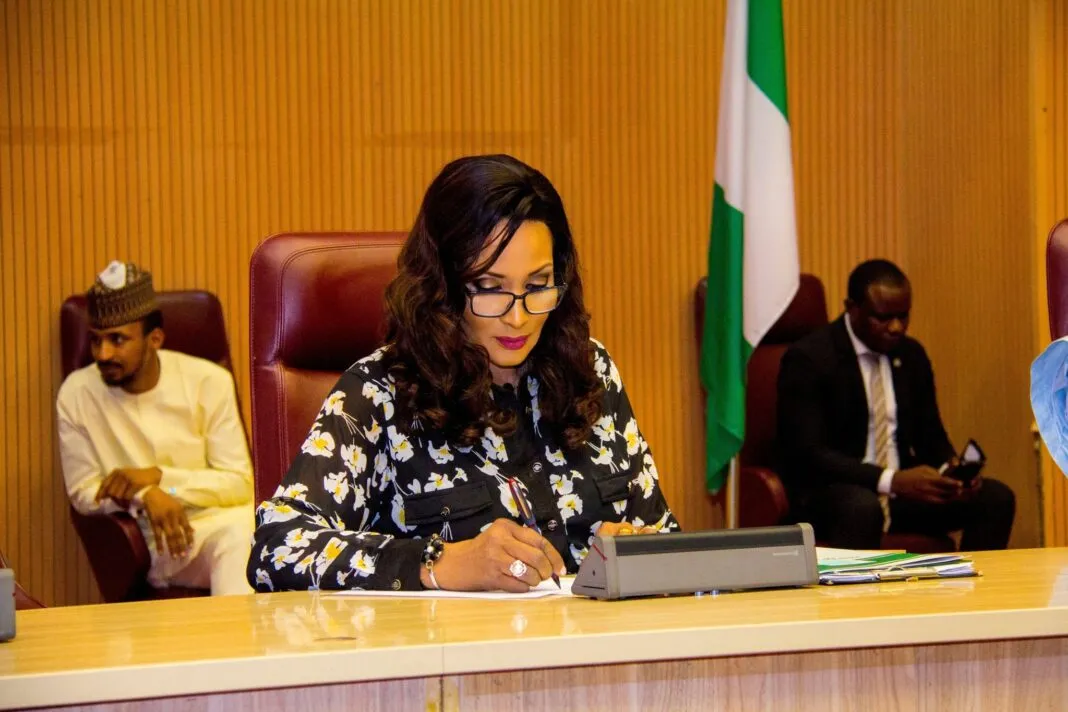
Nigeria has begun arrangements to evacuate its citizens from South Africa following renewed xenophobic attacks targeting foreign nationals. The move comes after growing fears that the violence could escalate if urgent action is not taken.
The Minister of Foreign Affairs, Bianca Odumegwu-Ojukwu, revealed that over 130 Nigerians have already registered for voluntary return. She added that more people are expected to come forward as safety concerns continue to rise.
According to the minister, the evacuation plan is aimed at protecting Nigerians living in South Africa, many of whom have reportedly faced harassment, attacks, and destruction of their businesses. The government says it is prioritising the safety and welfare of its citizens during this tense period.
President Bola Tinubu has also reacted strongly, condemning the violence and anti-immigrant protests. He stressed that Nigeria will not accept a situation where its citizens are repeatedly exposed to danger or treated unfairly in a foreign country.
In response to the situation, Nigeria has summoned South Africa’s acting High Commissioner to formally express its concerns. Officials say discussions will focus on the rising attacks, as well as steps to ensure the protection of Nigerians and other foreign nationals.
The government is also working on compiling a full register of Nigerians currently living in South Africa. This will help organise evacuation flights for those who wish to return home voluntarily. The minister also called for justice following reports of Nigerians killed in incidents allegedly involving local security personnel.
The crisis is not affecting Nigerians alone. Reports indicate that other African migrants, including Ethiopians, have also been targeted in recent attacks. This has raised wider concerns about the safety of foreign nationals across South Africa.
South African President Cyril Ramaphosa has condemned the violence and reminded citizens of the support other African countries gave during the anti-apartheid struggle. However, he also urged migrants to respect local laws, a statement that has sparked mixed reactions.
Despite these appeals, anti-immigrant protests have continued. In some areas like Pretoria, foreign-owned businesses were reportedly advised to close due to fears of further violence. Some groups have also been stopping people in public places to demand identification documents.
The situation has drawn attention across Africa. Ghana recently raised concerns after a video showed one of its citizens being confronted over his immigration status in South Africa.
Official figures show that South Africa hosts about 2.4 million documented migrants, although the real number may be higher. As tensions rise, Nigeria’s evacuation plan highlights growing worries about migrant safety and the need for stronger protection across the region.