
More than 140,000 migrants were granted permanent settlement or British citizenship in the three months to June 2026, meaning roughly one migrant gained the right to remain permanently or become a British citizen every minute, according to newly released Home Office figures.
A total of 140,122 people were granted indefinite leave to remain (ILR) or British citizenship during the quarter, equivalent to about 1.07 people every minute.
The figures also show a significant rise in the number of migrants obtaining permanent settlement. Nearly 200,000 people were granted ILR in the 12 months to June 2026, a 16-year high and 24 percent increase on the previous year.
A further 245,520 people were granted British citizenship during the same period. Although this represented a 4 percent decline from the previous year, the figure remained close to historic highs.
The increase in settlement comes as the UK government prepares to overhaul the rules governing how migrants qualify for permanent residence.
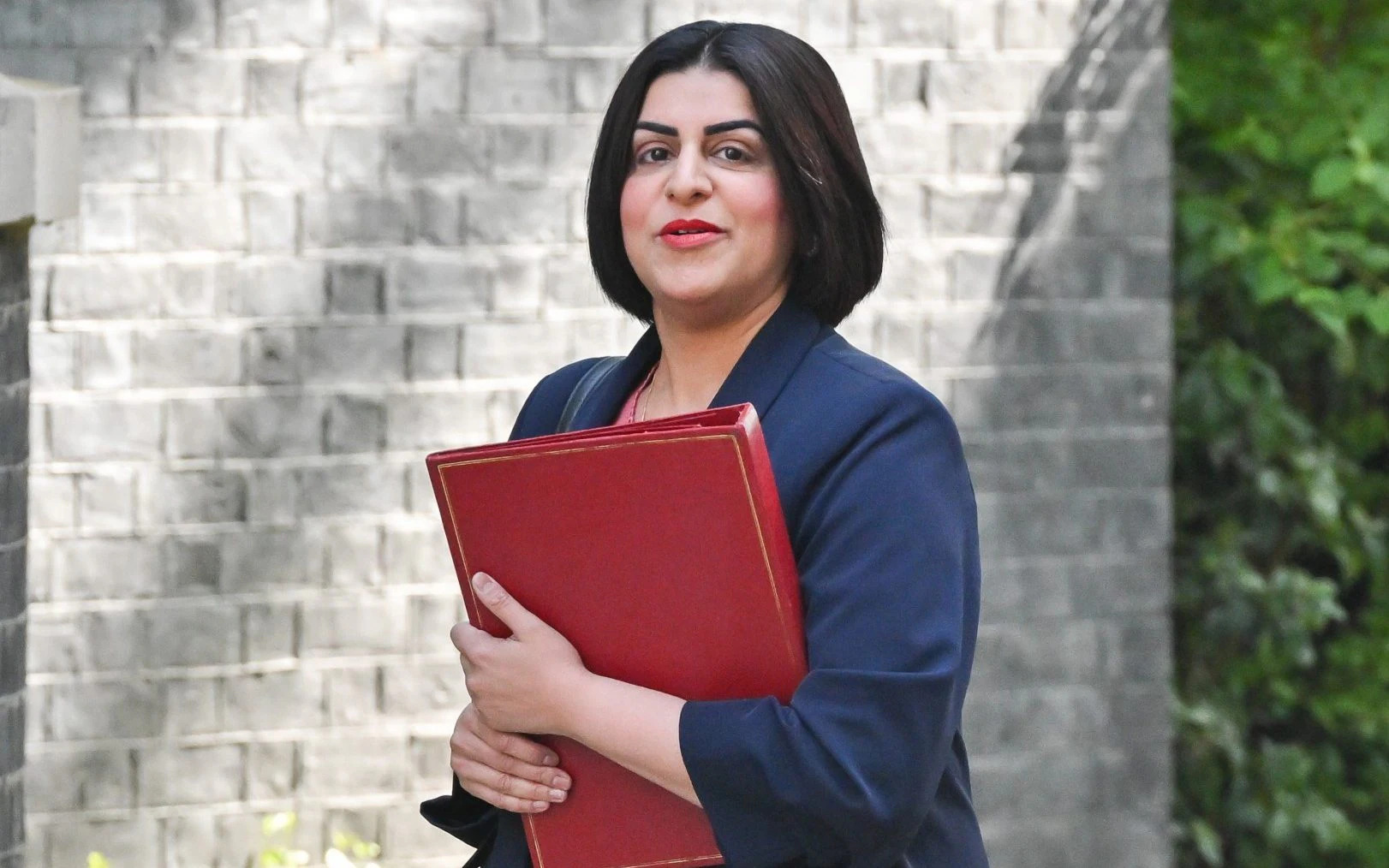
Home Secretary Shabana Mahmood is expected to introduce reforms that would generally increase the period migrants must spend in the UK before becoming eligible for ILR from five years to 10 years. Under the proposed system, some low-paid foreign workers and refugees could face waiting periods of 15 or even 20 years.
The proposed reforms have already generated debate within the governing Labour Party, with some backbench MPs reportedly seeking exemptions for care workers and opposing plans that could apply the new rules retrospectively to people already living in the UK.
The government is also considering changes to access to welfare benefits. Under the proposals, migrants would generally be unable to claim benefits until they obtain British citizenship, with citizenship applications allowed only one year after securing ILR.
Meanwhile, the latest Home Office figures show that the government is continuing to move asylum seekers out of hotels and into other forms of accommodation.
Almost 70,000 asylum seekers were living in houses, flats, bedsits and houses in multiple occupation under government support, with 69,038 people recorded in such accommodation. That represented a 4 percent increase over the previous year and was roughly twice the figure recorded a decade ago.
The North West of England, including Manchester, had the largest number of asylum seekers living in dispersed private accommodation, with 16,349 people, accounting for almost a quarter of the national total.
Greater pressure could fall on other parts of the country if asylum seekers were redistributed according to population size. Under such a model, the South East would experience the largest increase, with the number of asylum seekers in accommodation rising from 3,725 to about 9,370, an increase of 152 percent.
The government has pledged to close asylum hotels by the end of the current parliamentary term. Home Office data show that the number of asylum seekers staying in hotels fell from 32,041 a year earlier to 16,021 at the end of June 2026.
That is the lowest level recorded since hotel accommodation figures began being published in 2022 and represents a substantial fall from the peak of 56,018 in 2023.
The wider asylum system has also seen a reduction in applications. Around 86,000 people claimed asylum in the year to June 2026, 21 percent fewer than the previous year, although the total remained above the levels recorded before 2021.
The asylum backlog fell by 56 percent over the same period to 40,168 cases.
Returns of people with no legal right to remain in the UK increased by 8 percent to about 41,000. This included approximately 6,000 foreign offenders, a 12 percent increase compared with the previous year.
However, the government continues to face criticism over the number of small-boat migrants who have been removed from Britain.
Fewer than 10,000 people who arrived across the English Channel in small boats have been removed since the crisis began. Official figures indicate that 9,694 small-boat arrivals were deported between 2018 and the first half of 2026, while more than 210,000 people crossed the Channel during the same period.
Mahmood defended the government’s record, saying the asylum backlog, hotel use and illegal working were all moving in the desired direction while deportations and returns had increased.
She also pointed to falling small-boat arrivals and measures designed to strengthen enforcement in France and overseas, arguing that the government was working to restore control over Britain’s borders and migration system.
The figures have nevertheless drawn criticism from the opposition. Shadow Home Secretary Chris Philp accused the Labour government of simply moving asylum seekers from hotels into private accommodation rather than resolving the underlying migration problem.
He called for the deportation of people who enter Britain illegally and argued that tougher measures were needed to discourage Channel crossings.
The contrasting positions underline the political challenge facing the UK government as it attempts to reduce irregular migration while also managing legal migration, labour shortages and the growing number of migrants reaching the point of settlement or citizenship.