
Sixty-five more Nigerians are expected to return from South Africa on Wednesday as pressure continues to mount on undocumented migrants following a new September 30 deadline announced by an anti-immigration group.
According to Nigeria’s Federal Ministry of Foreign Affairs, the latest returnees are being supported by private individuals after the government-sponsored evacuation programme came to an end.
The Nigerians are expected to depart from OR Tambo International Airport in Johannesburg aboard South African Airways at about 3:30 p.m. local time and arrive at Murtala Muhammed International Airport in Lagos at approximately 8:45 p.m. Nigerian time.
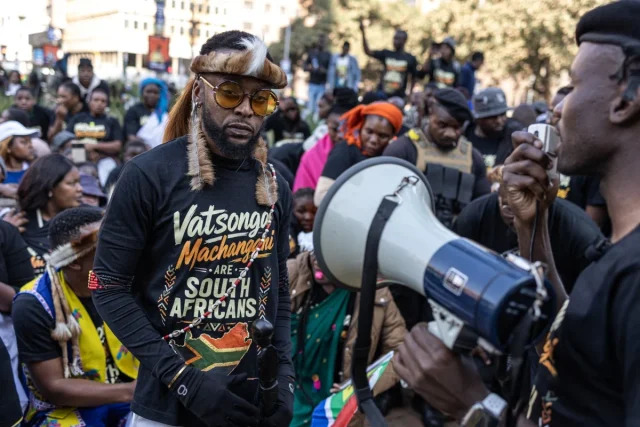
The latest arrivals come amid renewed anti-immigration campaigns in South Africa led by the group known as March and March.
The group has issued September 30 as a new deadline for undocumented migrants to leave the country, intensifying concerns among foreign nationals and their governments.
March and March has campaigned for months against what it describes as uncontrolled illegal immigration, accusing the South African government of failing to address the number of undocumented migrants living in the country.
The group previously issued a June 30 deadline for citizens of other African countries to leave South Africa. More than 85,000 people from Nigeria, Ghana, Malawi, Zimbabwe, Zambia and other countries reportedly left the country before that deadline.
Several African governments subsequently organised emergency arrangements to help their nationals return home. Countries sharing land borders with South Africa, including Mozambique, Zimbabwe and Malawi, also used buses to transport returning citizens.
March and March has linked illegal immigration to South Africa’s economic difficulties, high youth unemployment, drug-related problems and violent crime.
The group says its campaign is directed at undocumented migrants rather than foreigners who have legal immigration status.
However, some Nigerian and Ghanaian nationals who returned from South Africa told the BBC that they had legal status while living in the country but were nevertheless affected by the protests.
Businesses and homes belonging to African nationals have also reportedly been targeted, with some protesters accused of looting properties and damaging livelihoods.
The South African government has condemned unlawful actions linked to the protests and said authorities have arrested and prosecuted people accused of breaking the law.
Officials have also warned citizens against taking the law into their own hands.
The situation has prompted concerns among African governments, including Nigeria and Ghana, over the treatment of their nationals in South Africa.
Nigeria and Ghana have sought compensation from South Africa over losses suffered by their citizens during the unrest, including damage to businesses and property and the loss of livelihoods.
Some affected migrants have also been forced to abandon their homes and businesses while seeking safety.
The South African government, meanwhile, has indicated that it could seek reimbursement from other governments for expenses incurred in deporting their nationals.
Nigeria’s government, however, said it had not received any formal request from South Africa seeking repayment for deportation-related costs.
The latest repatriation of Nigerians comes as authorities and regional governments face growing pressure to protect migrants while addressing concerns surrounding irregular migration and rising anti-foreigner sentiment in South Africa.