
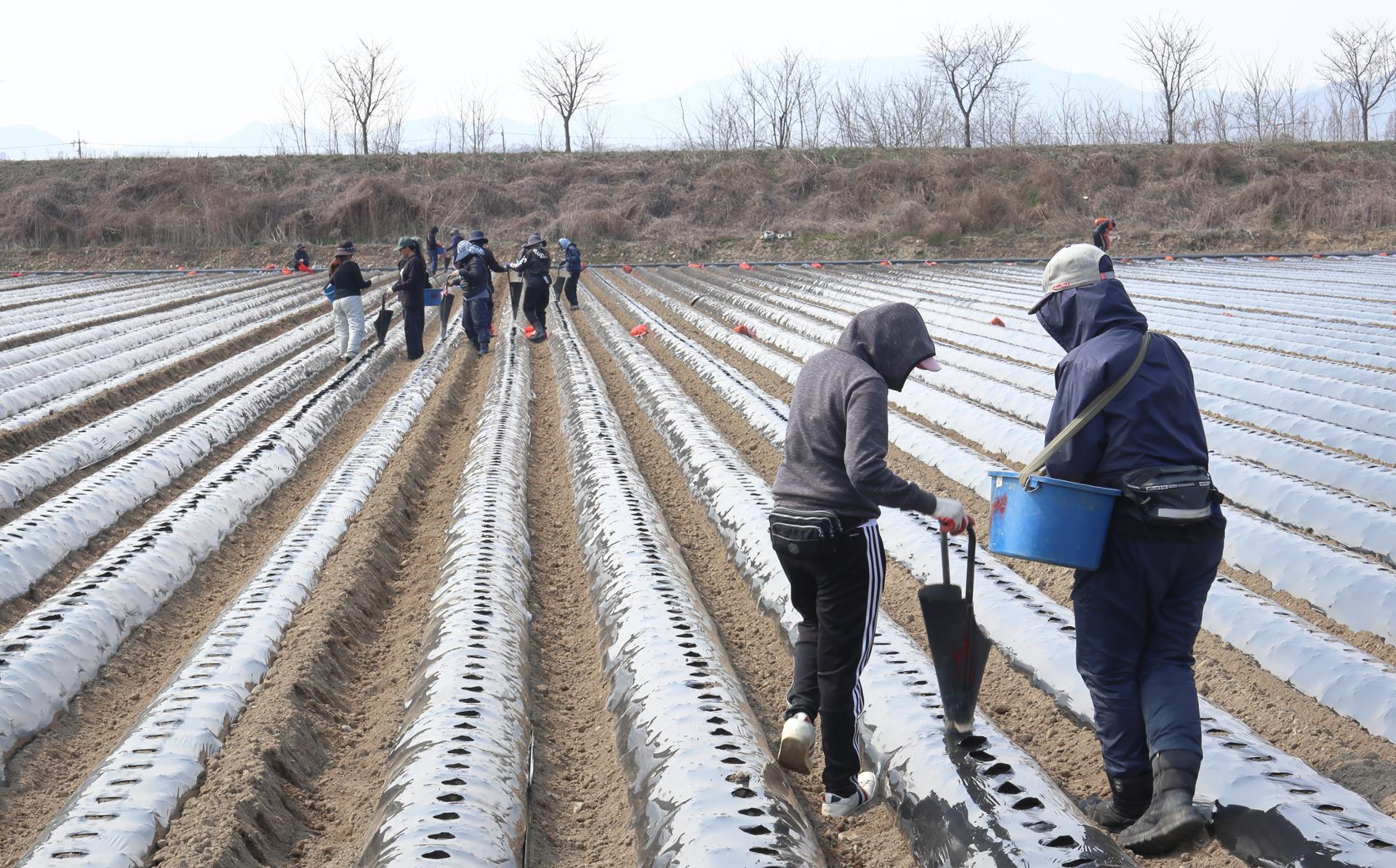
The government of South Korea has introduced a new policy to reduce financial pressure on migrant workers and employers. Short-term foreign workers in agriculture and fisheries will no longer be required to pay elder care insurance tax, a cost many said was unnecessary.
This change applies to workers holding the E-8 seasonal visa. These workers usually stay in the country for a short period, often less than eight months. Under the new rule, they can choose to opt out of the elder care insurance program by submitting a request.
Previously, all workers registered under the national health system had to pay into the long-term care insurance scheme. This program is designed to support elderly people over 65 or those with age-related health conditions. However, most seasonal migrant workers are younger and do not stay long enough to benefit from the system.
Government data showed that although hundreds of seasonal workers contributed to the scheme, none of them ever used its services. This made the policy seem unfair, especially for low-income workers who depend on their earnings.
The new decision brings the E-8 visa category in line with other migrant worker groups, which have been allowed to opt out of the program for many years. This change is expected to reduce hiring costs for farmers and employers who rely on foreign labor.
According to officials from the Ministry of Health and Welfare, the goal is to create a fairer system. The policy helps both employers facing labor shortages and migrant workers earning low wages.
For workers, this means they can keep more of their income instead of paying into a system they are unlikely to use. For employers, it reduces overall labor costs, making it easier to hire workers during busy farming and fishing seasons.
The new rule will take effect on May 13. Workers who want to benefit from the exemption will need to apply through the National Health Insurance Service.
In the end, this policy shows how governments can adjust systems to better match the realities of migrant labor. By removing unnecessary costs, South Korea aims to support both its workforce and key industries.