
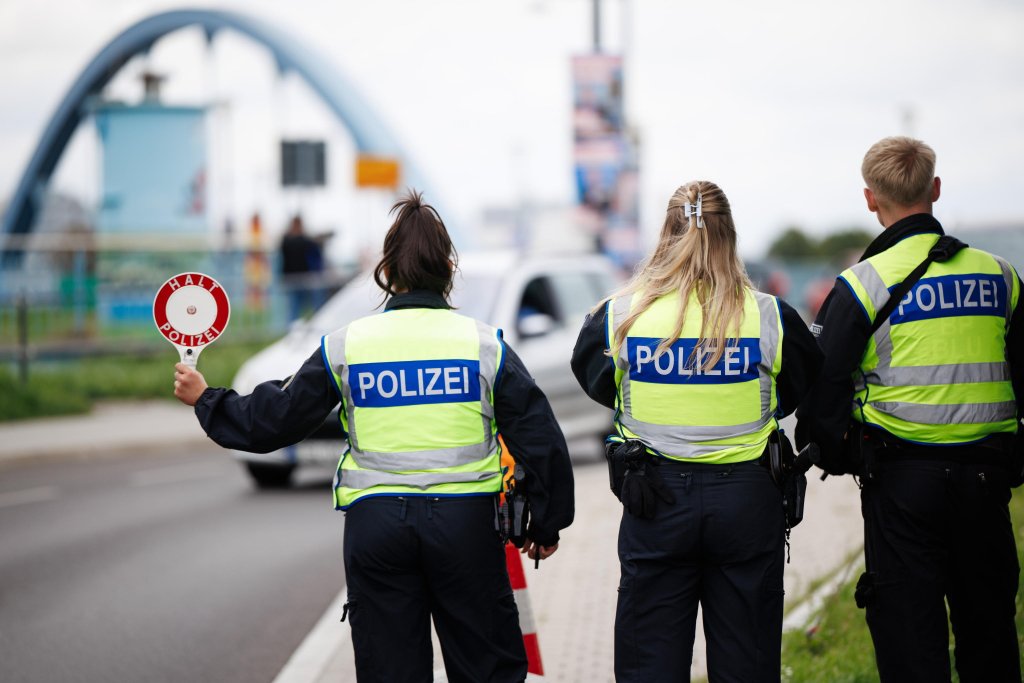
Germany has decided to continue its strict border control measures as part of its migration policy. The government believes these controls have helped reduce irregular migration and asylum applications. However, experts and opposition leaders argue that the situation is more complex and that these measures may not be as effective as claimed.
The Interior Minister of Germany, Alexander Dobrindt, said that stronger border checks have reduced illegal migration by about 70 percent since 2023. According to the Federal Police, thousands of migrants have been stopped, turned back, or deported at the borders. These figures are being used to support the government’s decision to keep the controls in place.
However, this policy did not start recently. Many of these border checks were already introduced under former minister Nancy Faeser. Since 2024, controls have been expanded across all German borders, leading to tens of thousands of migrants being denied entry or removed from the country.
Despite these results, there are concerns about the cost and impact of these policies. The police say they need about 14,000 officers to manage border controls properly. This has created a shortage of officers in other areas such as train stations and airports. According to police union leader Andreas Roßkopf, crime prevention in these areas is now affected because officers are being redirected to the borders.
There are also economic concerns. Members of the Green Party argue that strict border controls are slowing down the movement of goods and affecting businesses. At a time when the economy is already facing challenges, delays at borders could make the situation worse.
Migration experts also question whether the drop in asylum numbers is really due to border controls. Gerald Knaus, founder of the European Stability Initiative, believes the decline is mainly linked to global events, especially the reduced number of people fleeing Syria after political changes there. This suggests that external factors, not just German policies, are influencing migration trends.
Knaus also warned that stricter border controls may have a “boomerang effect.” This means migrants who are turned back may try to enter again through other routes, making the situation harder to manage. In addition, refusing entry to asylum seekers could lead to legal challenges, especially if courts rule that Germany is not facing a crisis that justifies such strict measures.
Legal risks are already becoming visible. Some cases have been taken to court, and there are concerns that decisions by European courts could force Germany to change its policies. If that happens, it could weaken public trust in the government and strengthen support for far-right parties like Alternative for Germany.
Looking ahead, Germany is also depending on the new EU migration system, which will come into force soon. The government hopes this will reduce pressure and allow border controls to be relaxed in the future. However, experts warn that previous systems, like the Dublin regulation, did not work as expected, and the new system may face similar challenges.
Some experts suggest alternative solutions, such as agreements with third countries where asylum applications can be processed. Countries like Rwanda have been mentioned as possible partners. However, such plans would require strong cooperation with organizations like the UNHCR and may take time to implement.
In conclusion, while Germany believes its border controls are working, there is strong debate about their real impact. The issue of migration is influenced by many factors, including global conflicts, legal systems, and economic conditions. Without addressing these broader issues, stricter border policies alone may not provide a lasting solution.