
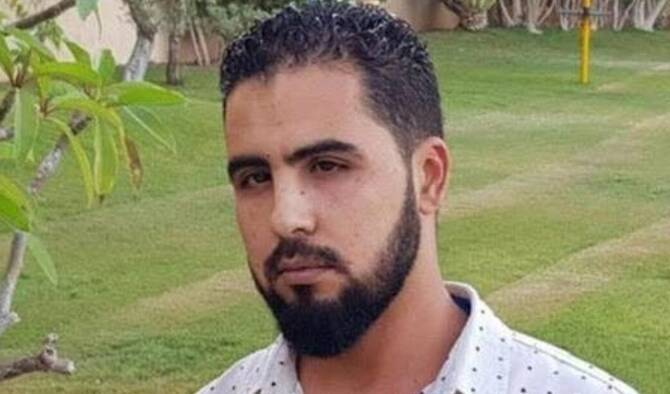
Western Libyan security forces have announced that they killed a well-known migrant smuggler during an operation in the coastal city of Sabratha. The incident happened after criminal gangs linked to the smuggler attacked a security checkpoint overnight, forcing the forces to respond quickly. The security team said the attack was serious and threatened the safety of their officers, so they moved immediately to stop the group responsible.
According to the Security Threats Combating Agency, the operation targeted the hideout of the gang leader, Ahmed Al-Dabbashi, who was better known as “Al-Amu.” He had been wanted for years due to his involvement in dangerous smuggling networks that sent many migrants on risky journeys across the Mediterranean. The agency confirmed that Dabbashi was killed during the raid, while his brother was arrested. Six security officers were also injured in the fighting.
Dabbashi had been under US sanctions since 2018. He was accused of leading one of the biggest migrant-smuggling groups in Sabratha. Reports from Washington previously stated that his network robbed, abused, and enslaved migrants before sending them on unsafe boats to Europe. His operations made Sabratha one of the main departure points for migrants hoping to reach Italy.
Libya has struggled with human trafficking for many years due to the breakdown of central authority after the 2011 uprising that removed former leader Muammar Gaddafi. The country remains divided between rival armed groups, making it easy for smugglers to run operations without strong oversight. Many migrants traveling through Africa see Libya as a transit point, even though it has become extremely dangerous.
The western government, led by Prime Minister Abdulhamid Al-Dbeibah has tried to take control of the region, but several areas still operate under the influence of armed factions. His Government of National Unity is also not recognized by the authorities in eastern Libya, adding to the tension and instability in the country. This division has made the fight against human trafficking even more challenging.
This is not the first time Dabbashi’s forces have been targeted. In 2017, an armed alliance linked to an earlier UN-backed government in Tripoli fought his group for three weeks. That battle caused major casualties, damaged homes, and even affected Sabratha’s historic Roman ruins. Despite past clashes, Dabbashi remained active until this latest raid brought an end to his operations.
In a separate development, the United Kingdom announced new sanctions against senior commanders of Sudan’s Rapid Support Forces. They are accused of leading violent attacks, mass killings, and sexual violence in the Darfur region. The sanctions include a travel ban and asset freeze, targeting leaders responsible for atrocities in El-Fasher.
The UK said it will continue to stand with the people of Sudan and also announced £21 million in extra aid for food, clean water, health services, and protection for vulnerable groups. Sudanese officials welcomed the sanctions but said more actions are needed to hold all responsible leaders accountable.