
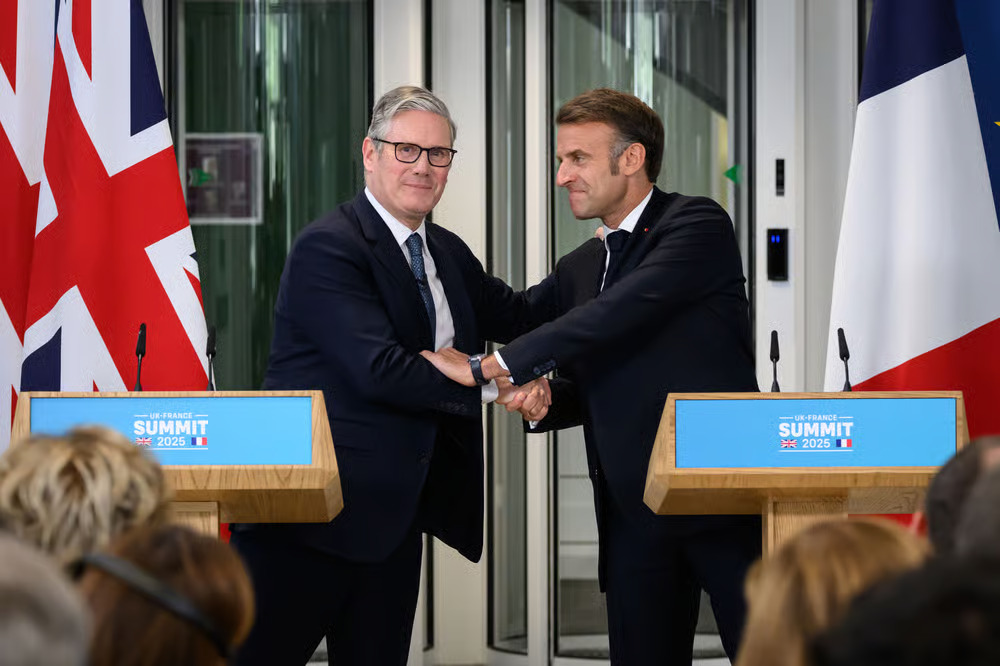
A UK-based refugee charity has raised concerns over a new migration agreement between the United Kingdom and France, warning that the policy could make journeys across the English Channel even more dangerous for migrants.
The deal, signed by Home Secretary Shabana Mahmood, includes the deployment of riot-trained police officers, as well as the use of drones, helicopters, and surveillance technology to stop small boat crossings from northern France. The £662 million agreement aims to disrupt people-smuggling networks and reduce the number of migrants attempting the journey.
However, Adam Baker, director of the charity Refugee Roots, has criticised the approach. He warned that increasing enforcement without providing safer alternatives could push migrants into more dangerous situations.
According to Baker, deterrence strategies have historically failed to stop migration and may instead force desperate individuals to take greater risks. He explained that people fleeing conflict, poverty, and persecution are unlikely to be discouraged by tougher border controls alone.
Baker also stressed that many migrants have already experienced severe trauma. He said that exposing them to further stress, fear, or potential violence during migration attempts could harm their chances of recovery and rebuilding their lives.
Rather than focusing solely on enforcement, Baker and other humanitarian groups are calling for the creation of safe and legal routes for asylum seekers. They argue that providing structured pathways to claim asylum would reduce reliance on smugglers and lower the number of dangerous crossings.
Despite the criticism, the UK government maintains that the agreement is necessary. Mahmood described the deal as a “landmark” step that will strengthen efforts to tackle criminal smuggling gangs and reduce illegal migration.
The policy also includes financial conditions, allowing parts of the funding to be withdrawn if the number of crossings does not decrease. Officials say this ensures accountability and flexibility in responding to changing tactics used by smuggling networks.
Migration across the Channel remains a major issue. More than 41,000 people crossed into the UK by small boats in 2025, with hundreds continuing to arrive in recent months. These numbers have kept pressure on the government to take stronger action.
Humanitarian organizations, however, continue to emphasise that migration is a complex issue that requires balanced solutions. They argue that enforcement alone cannot address the root causes driving people to leave their home countries.
The debate reflects a wider divide between security-focused policies and humanitarian approaches. While governments aim to reduce crossings and control borders, charities insist that protecting human life and dignity must remain at the centre of migration policy.
As the new UK-France deal begins to take effect, its impact will be closely watched. The key question remains whether stricter enforcement can reduce crossings without increasing the risks faced by vulnerable migrants.