
Spain has taken a bold step in Europe’s migration debate by launching a large-scale regularisation programme aimed at undocumented migrants. While the policy is designed to recognise the economic and social value migrants bring, the process has already been marked by long queues, confusion, and growing demand for documentation across the country.
In parts of Madrid, a quiet but important process is unfolding. Near busy social streets, migrants are gathering at administrative offices to collect key documents that could change their lives. One such document, issued by the regional transport consortium, confirms use of public transport and serves as proof of residence — a critical requirement for those seeking legal status under the new scheme.
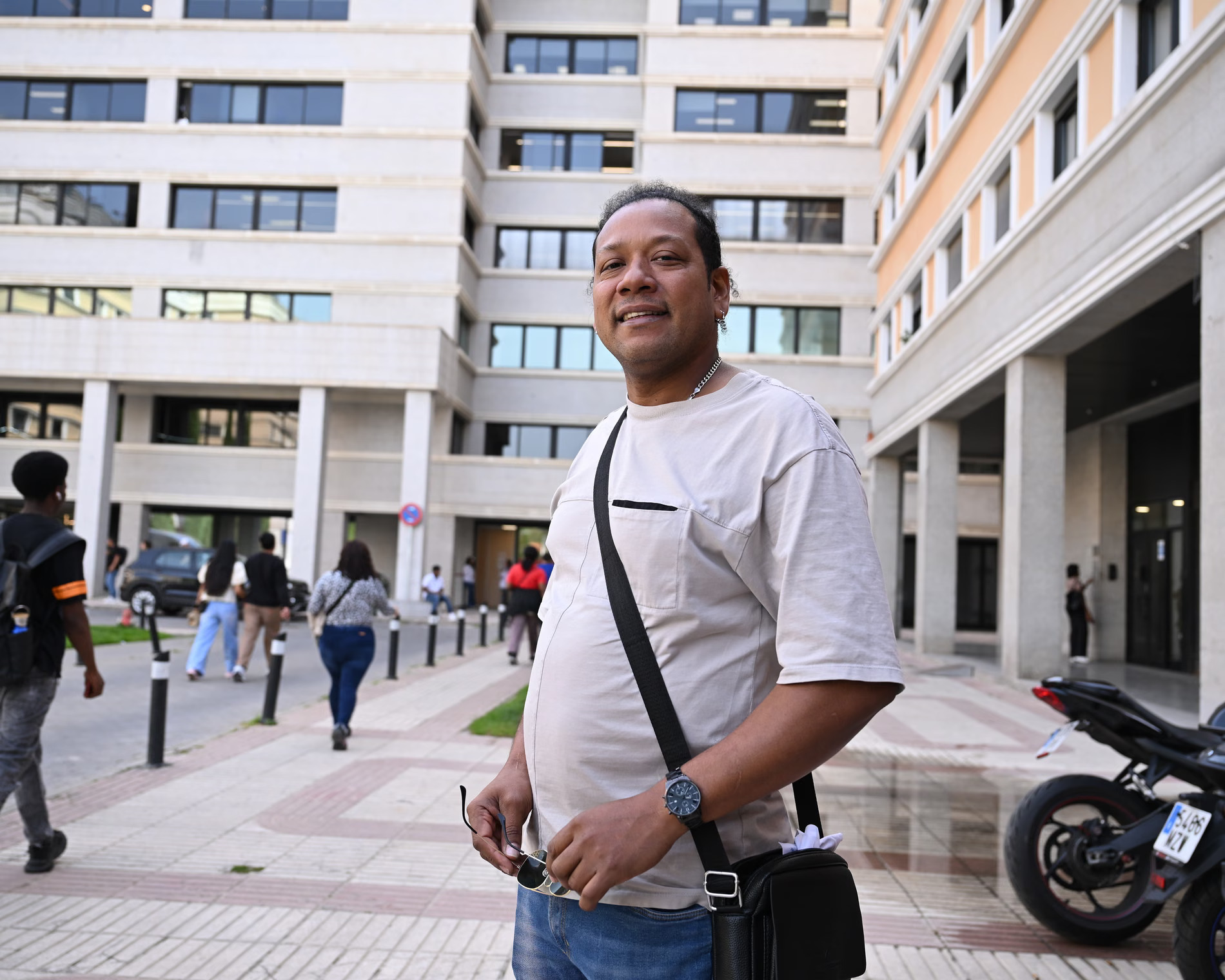
For many migrants, this opportunity represents hope. Individuals like Gimbad Mosquera, a Colombian musician, are eager to regularise their status so they can work freely and travel across Europe. Others, including couples from Nepal, say their main goal is simple: to secure stable jobs and support their families back home.
The regularisation programme, introduced by the government of Pedro Sánchez, began recently and will run until the end of June. It offers eligible applicants a one-year residence permit. To qualify, migrants must prove they arrived before the end of last year, have lived in Spain for at least five months, and have no criminal record either in Spain or their country of origin.
Spain’s government sees the initiative as a long-overdue move to bring undocumented workers into the formal economy. Officials argue that giving migrants legal status will not only protect their rights but also strengthen the country’s labour market and increase tax revenue. Past regularisation efforts in Spain have shown positive economic results, including higher tax contributions and no significant rise in irregular migration.
However, the policy has sparked strong political debate. Opposition groups, including the People’s Party, have raised concerns about pressure on public services. Meanwhile, the far-right Vox party has taken a harsher stance, criticising the programme and even seeking legal action to stop it.
Despite the political tensions, migrants on the ground are more focused on navigating the complex application process. Many applicants report confusion about requirements and difficulty securing appointments. As a result, those who can afford it are turning to lawyers for help, while others rely on community networks and WhatsApp groups to share information and updates.
Non-governmental organisations are also playing a key role by organising information sessions and offering guidance. Still, access remains uneven. In several cities, migrants have been forced to queue for hours — sometimes starting at dawn — just to obtain necessary documents or certificates. Images of long lines outside town halls and offices have become common since the programme began.
According to estimates, the scheme could benefit at least 500,000 people, though some analysts believe the number may be much higher. A report by Funcas suggests that up to 840,000 undocumented migrants are currently living in Spain, with the majority coming from Latin America and smaller numbers from Africa and Europe.
There are also concerns from law enforcement. Police unions have warned that the volume of applications could overwhelm the system and increase administrative pressure. Although a planned strike by immigration officers was recently called off after negotiations with the government, concerns about workload remain.
Still, the Spanish government insists the policy is both morally right and economically beneficial. Sánchez has defended the move, questioning why extending rights and showing empathy should be considered controversial. His administration maintains that regularisation is not new to Spain and has been successfully implemented multiple times in the past.
For migrants like MD Abdal, a young man from Bangladesh, the programme offers a chance to build a better future. Currently learning Spanish and searching for work, he describes Spain as a welcoming and diverse country. Like many others, his focus is clear — to work hard, integrate into society, and take advantage of the opportunity now within reach.
As Spain moves forward with this ambitious migration policy, the outcome will likely shape broader discussions across Europe. For now, the long queues and high demand reflect just how important this opportunity is for hundreds of thousands hoping for a new beginning.