
South African President Cyril Ramaphosa has announced plans to dispatch special envoys to African countries and other parts of the world as the government responds to a growing wave of xenophobic attacks targeting foreign nationals.
The decision comes amid increasing reports of violence, intimidation, and forced displacement affecting migrants living in several South African communities. Authorities say the envoys will engage with foreign governments and stakeholders to address concerns surrounding migration and reassure affected countries about South Africa’s commitment to protecting all residents.
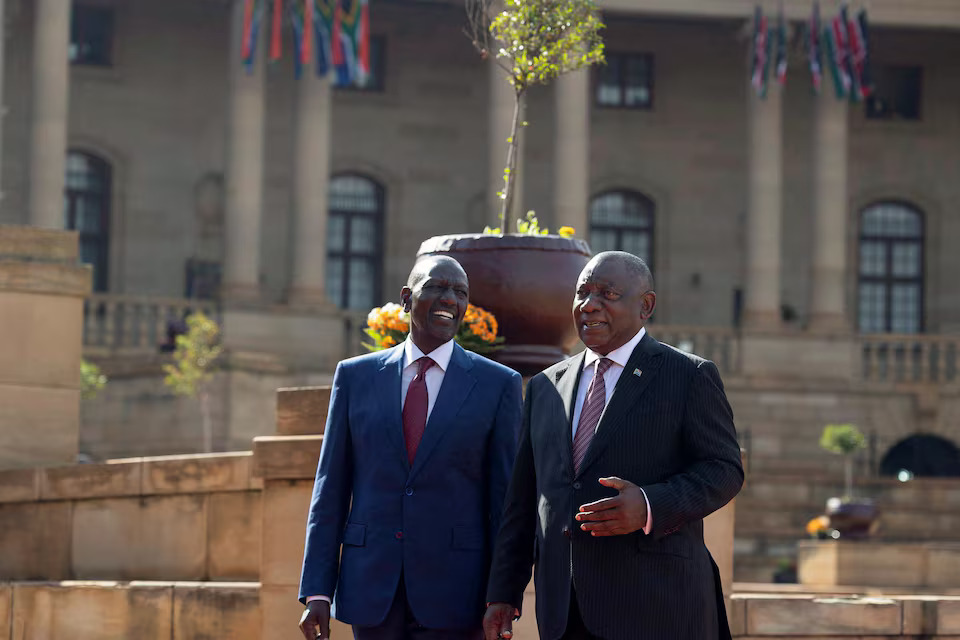
President Ramaphosa made the announcement following discussions with Kenyan President William Ruto, as concerns continue to grow over the safety of African migrants living in South Africa. The move is seen as part of broader diplomatic efforts to ease tensions and strengthen regional cooperation on migration-related issues.
Recent incidents have reportedly affected migrants from countries including Mozambique, Malawi, and other African nations. In several communities, foreign nationals have allegedly been harassed, threatened, and forced to leave their homes and businesses amid anti-immigrant protests.
One of the most widely reported incidents occurred in the town of Kleinmond in the Western Cape, where a Mozambican migrant was reportedly forced to abandon his home after a crowd demanded that foreign nationals leave the area. Dozens of other migrants are said to have sought refuge in a local town hall while authorities assess their situation and consider possible repatriation options.
The attacks have renewed concerns about xenophobia in South Africa, a challenge the country has faced periodically for more than a decade. Previous outbreaks of anti-immigrant violence have resulted in deaths, injuries, property destruction, and the displacement of thousands of people.
Analysts say economic hardship, unemployment, and competition for jobs and public services are often cited as factors fueling anti-immigrant sentiment. Migrants are frequently blamed for social and economic challenges, despite studies showing that migration is driven by complex regional and global factors.
The latest incidents come ahead of South Africa’s local government elections later this year, a period when immigration and border management are expected to become major political issues. Observers have warned that migration debates can sometimes contribute to heightened tensions and hostility toward foreign nationals.
Human rights organizations have repeatedly called on South African authorities to strengthen protections for migrants and take decisive action against individuals responsible for xenophobic violence. Advocacy groups argue that all residents, regardless of nationality, should be able to live and work safely without fear of discrimination or attack.
The South African government has condemned acts of violence against migrants and emphasized that criminal behavior should not be tolerated. Officials have also stressed the importance of maintaining social cohesion and preventing communities from taking the law into their own hands.
The planned diplomatic mission is expected to focus on improving communication with affected countries, addressing concerns about migrant safety, and reinforcing South Africa’s commitment to regional solidarity. Government officials believe dialogue and cooperation will be essential in preventing further tensions and strengthening relationships with neighboring nations.
As authorities work to restore calm, many migrants remain uncertain about their future. Community leaders and civil society groups continue to urge peaceful solutions while calling for stronger efforts to combat xenophobia and promote understanding between residents and migrant communities.
The latest developments highlight the ongoing challenge of balancing migration management, economic pressures, and social stability in one of Africa’s largest economies. With regional attention now focused on South Africa’s response, the coming weeks will be critical in determining whether tensions ease or continue to escalate.