
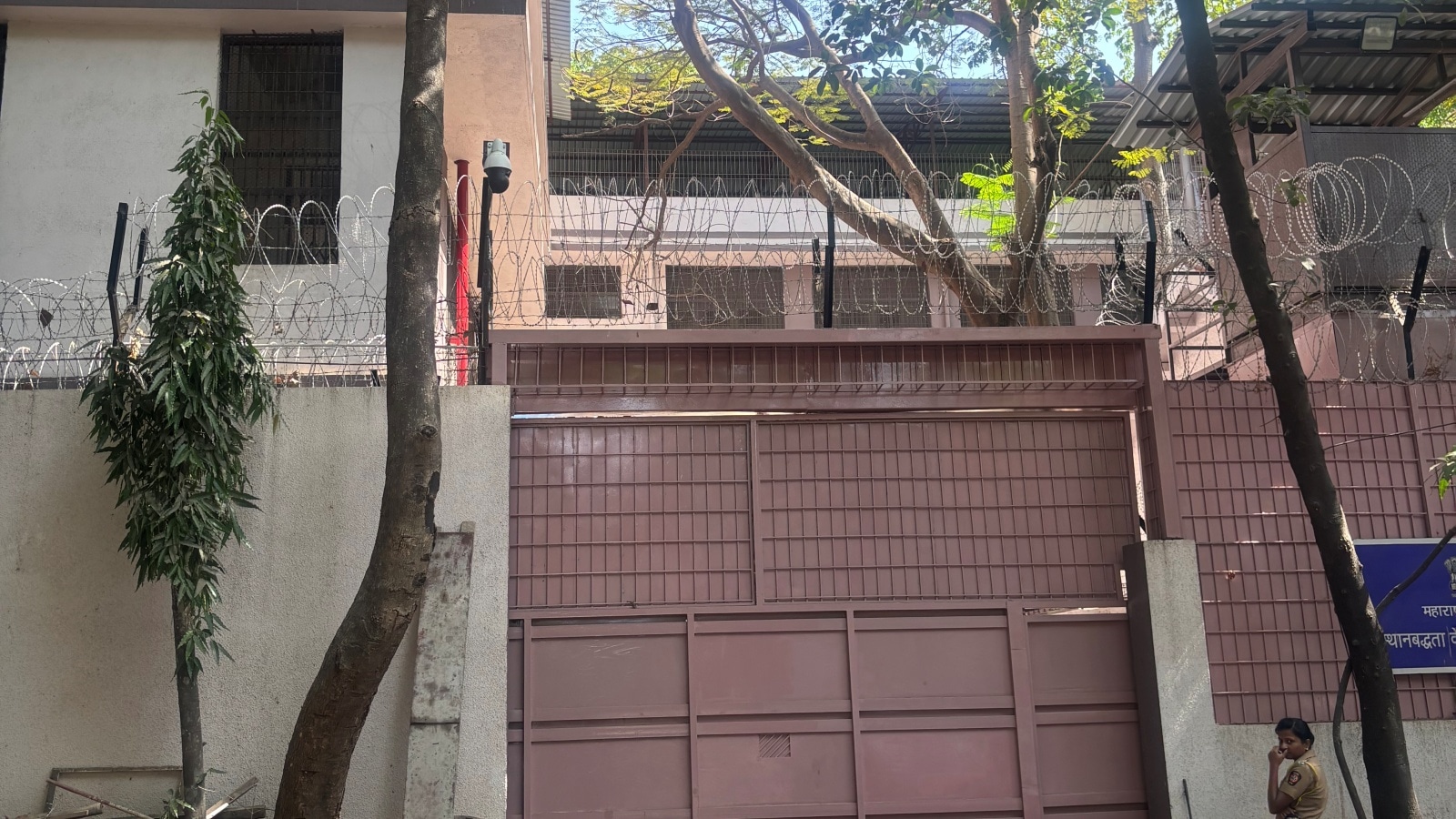
Authorities in India have opened a new migrant detention center in Mumbai, a move that has raised fresh concerns about human rights, due process, and the treatment of undocumented individuals.
The facility, located in the Bhoiwada area, is the first dedicated migrant detention center in the city. It is currently housing about 40 people, most of whom officials claim are from Bangladesh. Authorities say the center is meant to temporarily hold individuals identified for deportation while arrangements are made through official border procedures.
Government officials have described the initiative as a necessary administrative step. According to them, the center helps address a long-standing issue where detainees were previously held in police stations due to the lack of proper facilities. They also noted that jails cannot be used because the individuals being detained are not accused of any criminal offense.
The detention center is a two-storey building with a capacity to accommodate up to 80 people. It includes separate sections for men and women and is equipped with basic amenities such as food, bedding, and sanitation. However, authorities have admitted that space is limited, especially for female detainees, with some reportedly still being held in police stations due to overcrowding.
The facility operates under the state’s Social Welfare Department, with internal security managed by the Maharashtra State Security Force, while police officers are stationed outside. Officials insist that the setup is designed to ensure safety and proper management of detainees during the deportation process.
Despite these assurances, legal experts and human rights groups have raised serious concerns. They argue that detaining individuals who have not been charged with crimes raises ethical and legal questions, particularly around access to legal representation, verification of nationality, and the possibility of prolonged or arbitrary detention.
Critics also warn that labeling individuals as “illegal” or “undocumented” can oversimplify complex issues related to identity and citizenship. In many cases, detainees may struggle to prove their nationality or may lack access to proper legal support, increasing the risk of wrongful detention.
Official data shows that more than 1,060 people were deported from India in 2025, while around 400 individuals had already been detained by March 2026. Authorities are also planning to expand the system, with a larger detention facility proposed in Navi Mumbai that could house over 200 people.
The development has sparked a broader national debate about migration enforcement in India. While the government maintains that detention centers are necessary to ensure an orderly deportation process, rights advocates argue that stronger legal safeguards, transparency, and oversight are needed to protect vulnerable individuals.
As India continues to tighten its migration management systems, the challenge will be balancing administrative efficiency with the protection of fundamental human rights, especially for those caught in complex legal and identity situations.