
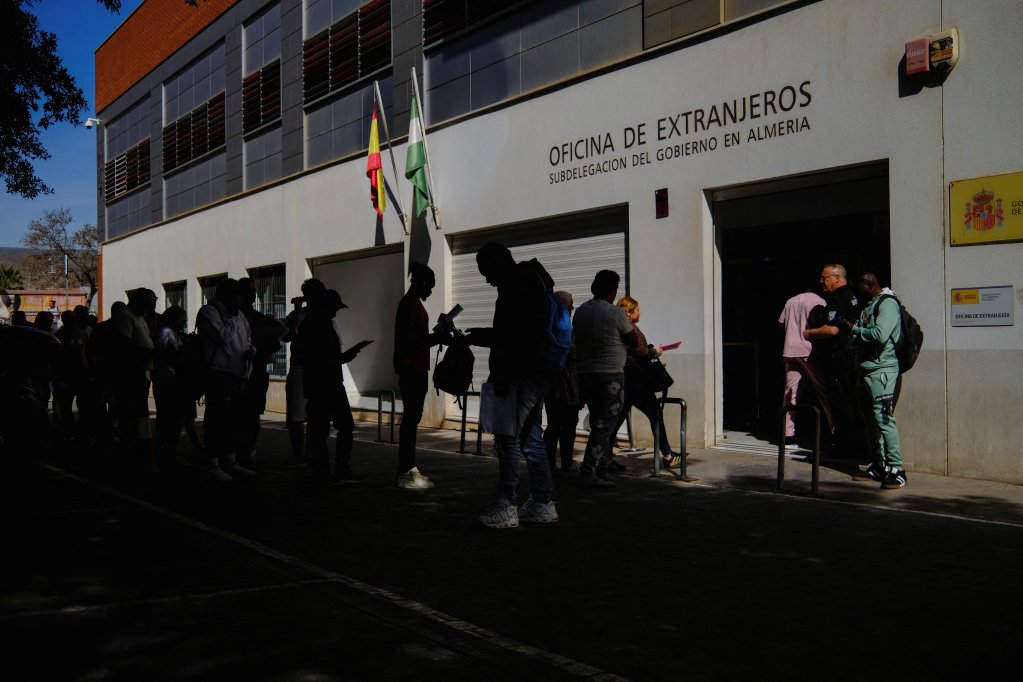
Spain is turning to its growing migrant population to help breathe new life into rural communities that have been losing residents for decades. As villages face ageing populations and declining birth rates, the government believes immigration could play a key role in reversing depopulation and supporting economic growth.
Over the past 25 years, Spain’s foreign-born population has grown significantly, increasing from one in every 20 residents to almost one in five. Most of these migrants come from Latin America and have contributed to making Spain one of the world’s fastest-growing advanced economies over the past two years.
The Spanish government is now encouraging migrants and other new residents to settle in areas often referred to as “Emptied Spain”—regions where younger people have moved away, leaving behind ageing communities. In February, the government launched a national strategy aimed at attracting people to these depopulated areas through local projects that help families find housing, employment, and language classes.
Francesc Boya, Secretary General for the ministry responsible for demographic challenges, said immigration represents the greatest opportunity for rural communities struggling with population decline. He explained that migrants can help address labour shortages while contributing to long-term demographic growth.
The strategy comes as Spain prepares to grant legal residence and work permits to around 500,000 undocumented migrants through an extraordinary regularization program. Officials believe the initiative will allow many people already working in Spain to access stable employment with legal protections while filling labour shortages in sectors such as agriculture, livestock farming, caregiving, and other essential rural services.
Despite the need for workers, several challenges continue to limit migration to rural areas. One of the biggest obstacles is the shortage of affordable housing. Javier Otero, from the non-governmental organization Rescate, said there are thousands of available jobs in rural Spain, but many interested workers cannot relocate because suitable accommodation is unavailable.
Transportation is another major concern. Many migrants experience difficulties getting foreign driver’s licenses recognized in Spain. Combined with limited public transport in remote communities, this creates barriers to accessing jobs, healthcare, education, and other essential services.
Experts also believe that giving undocumented migrants legal status will reduce labour exploitation and improve social integration. According to Boya, recognizing migrants’ rights allows them to access formal employment, social protection, and labour rights, helping them build stable lives while contributing more effectively to their communities.
Local officials say welcoming new residents can also help keep essential services open in small towns. Schools, health centres, pharmacies, fuel stations, and local businesses all depend on having enough people living in these communities. Without population growth, many of these services face closure.
Several integration projects are already showing positive results. In the town of Villagatón in Castilla y León, a government-supported initiative brings together families from Senegal, Gambia, Guatemala, Venezuela, and Colombia through activities designed to strengthen community ties. Similar efforts are taking place in Galicia, where businesses, local governments, and community groups are working together to help newcomers settle successfully.
Experts stress that migration should not be viewed only as a solution to labour shortages. Instead, they argue that migrants also enrich society through cultural diversity, stronger communities, and long-term social development. As Spain continues implementing its rural migration strategy, officials hope immigration will help secure the future of communities that have faced years of population decline.