
The European Union has allocated an additional €25 million to expand migration cooperation with eastern Libya, as Brussels steps up efforts to reduce irregular crossings of the Mediterranean Sea.
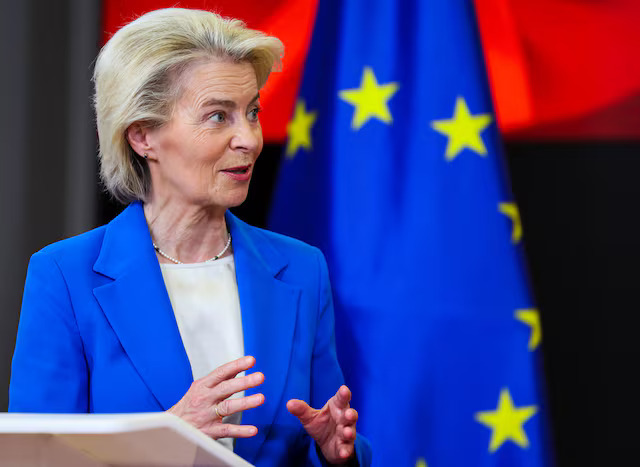
The funding will support border management, search-and-rescue operations and efforts to combat migrant smuggling, according to a letter from European Commission President Ursula von der Leyen to EU leaders seen by Reuters.
The move signals closer engagement between the EU and authorities in eastern Libya, a region controlled by forces loyal to military commander Khalifa Haftar. The European bloc is seeking to strengthen cooperation as departures from areas under eastern Libyan control have increased.
Libya remains a major departure point for migrants attempting the dangerous journey across the Mediterranean to Europe. The country has been divided between rival administrations in the east and west since the 2011 uprising that toppled longtime leader Muammar Gaddafi.
Although the EU formally recognises the government based in Tripoli, it has increased contacts with eastern Libyan authorities over the past year as part of its efforts to manage migration routes.
The latest funding follows an announcement in July that the EU would establish a Maritime Rescue Coordination Centre in Benghazi, further extending cooperation with authorities in the east.
European countries have long provided support and training to the Libyan coastguard, which intercepts migrant boats at sea and returns people to Libya. These operations have formed part of wider European efforts to prevent irregular arrivals, although the treatment and protection of migrants returned to Libya remain important human rights concerns.
In her letter, von der Leyen described Libya as the leading departure country for irregular crossings into the EU. She said an upcoming meeting between European and Libyan representatives would provide an opportunity to maintain cooperation on migration.
The EU is also working with the International Organization for Migration to support voluntary returns from Libya to migrants’ countries of origin.
Von der Leyen said Brussels was seeking not only to reduce departures towards Europe but also to limit the number of migrants arriving in Libya with the intention of continuing their journeys across the Mediterranean.
The additional funding represents a further expansion of the EU’s migration partnerships in North Africa, as European authorities seek to strengthen border controls and disrupt smuggling networks along key routes to Europe.