
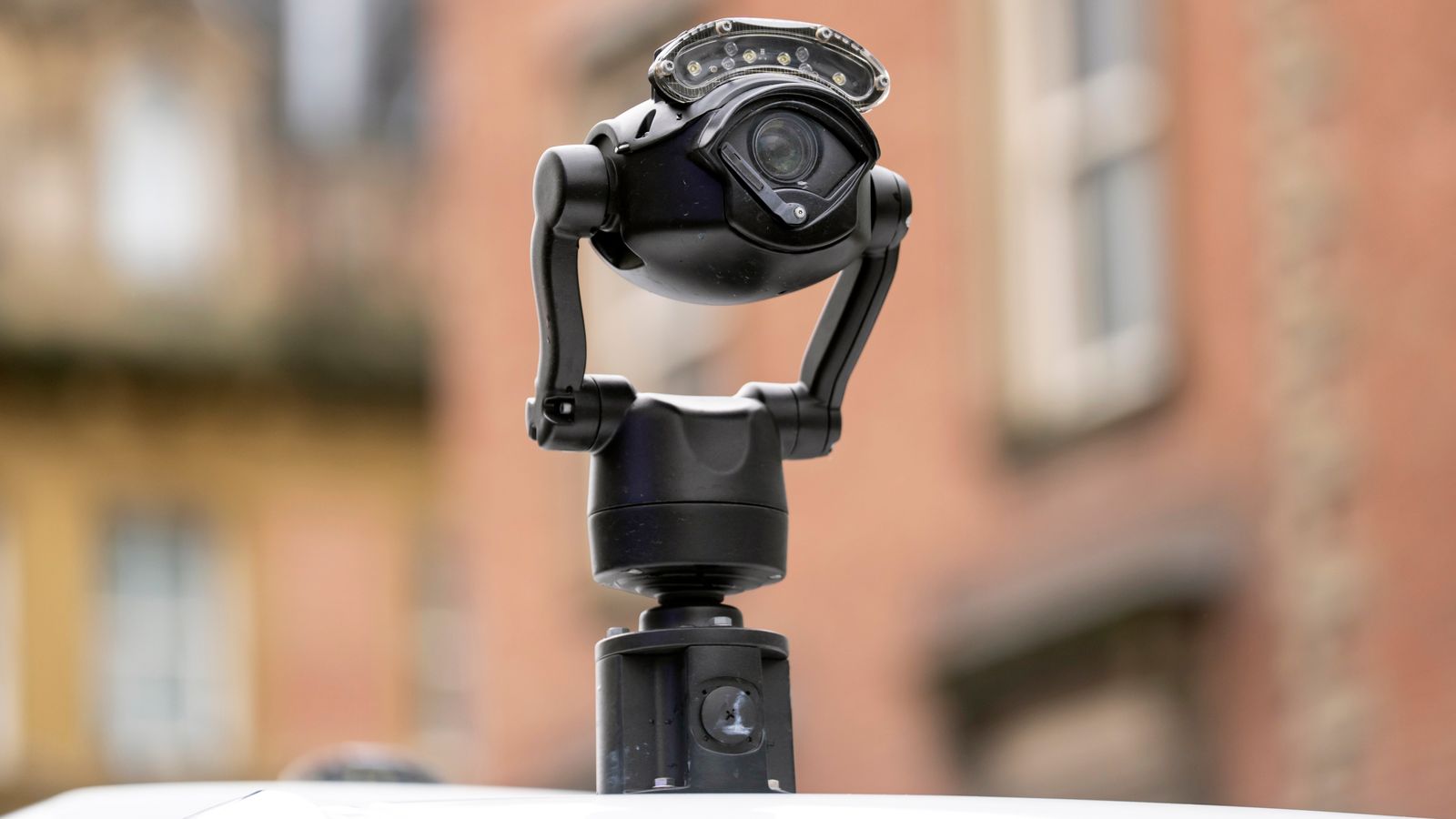
The UK Home Office is advancing plans to deploy live facial recognition (LFR) technology across high-traffic transport hubs and public events. The initiative forms a central pillar of what officials describe as the largest immigration enforcement crackdown in British history.
Newly disclosed policy documents and data protection assessments reveal that the government has moved the LFR project into its formal delivery phase. Rather than restricting camera usage to serious criminal suspects, the framework expands biometric scanning to general immigration enforcement. This includes locating individuals who have overstayed visas or entered the country without leave—offenses categorized under civil law rather than criminal statutes.
Government officials maintain that public facial scanning offers a less intrusive alternative to traditional enforcement tactics. By identifying undocumented individuals in transit or at public gatherings, the Home Office aims to resolve cases while minimizing the need for disruptive workplace and residential raids.
The national expansion follows a series of pilot programs conducted between November and February at Holyhead port in north Wales. Those early trials focused specifically on individuals traveling from Ireland through the Common Travel Area in breach of existing deportation orders or active arrest warrants.
Under the updated operational guidance, the scope of surveillance has broadened significantly. Immigration officers are authorized to deploy LFR cameras proactively at busy transit stations, major public events expected to generate heavy footfall, and locations designated as having “heightened community sensitivity.”
This technological push aligns with broader enforcement targets set by Home Secretary Shabana Mahmood, who doubled the immigration enforcement budget and expanded its operational workforce by 60% to execute tens of thousands of additional arrests, raids, and deportations.
The official guidance specifies that individuals under the age of 18 will not be included on facial recognition watchlists. However, the policy arrives amidst lingering scrutiny over the department’s use of automated tools, following previous revelations that an AI age-estimation system had misidentified minor migrants as adults.
Civil rights advocates and privacy advocacy groups, including Big Brother Watch and Liberty, have raised sharp concerns regarding the secretive rollout. Campaigners warn that monitoring civil immigration matters with live cameras represents an unprecedented shift toward routine biometric mass surveillance in public spaces. Critics also point to established technical studies demonstrating that facial recognition algorithms carry higher rates of misidentification when scanning women and people of color, raising serious questions about fairness, accuracy, and systemic bias in public enforcement.