
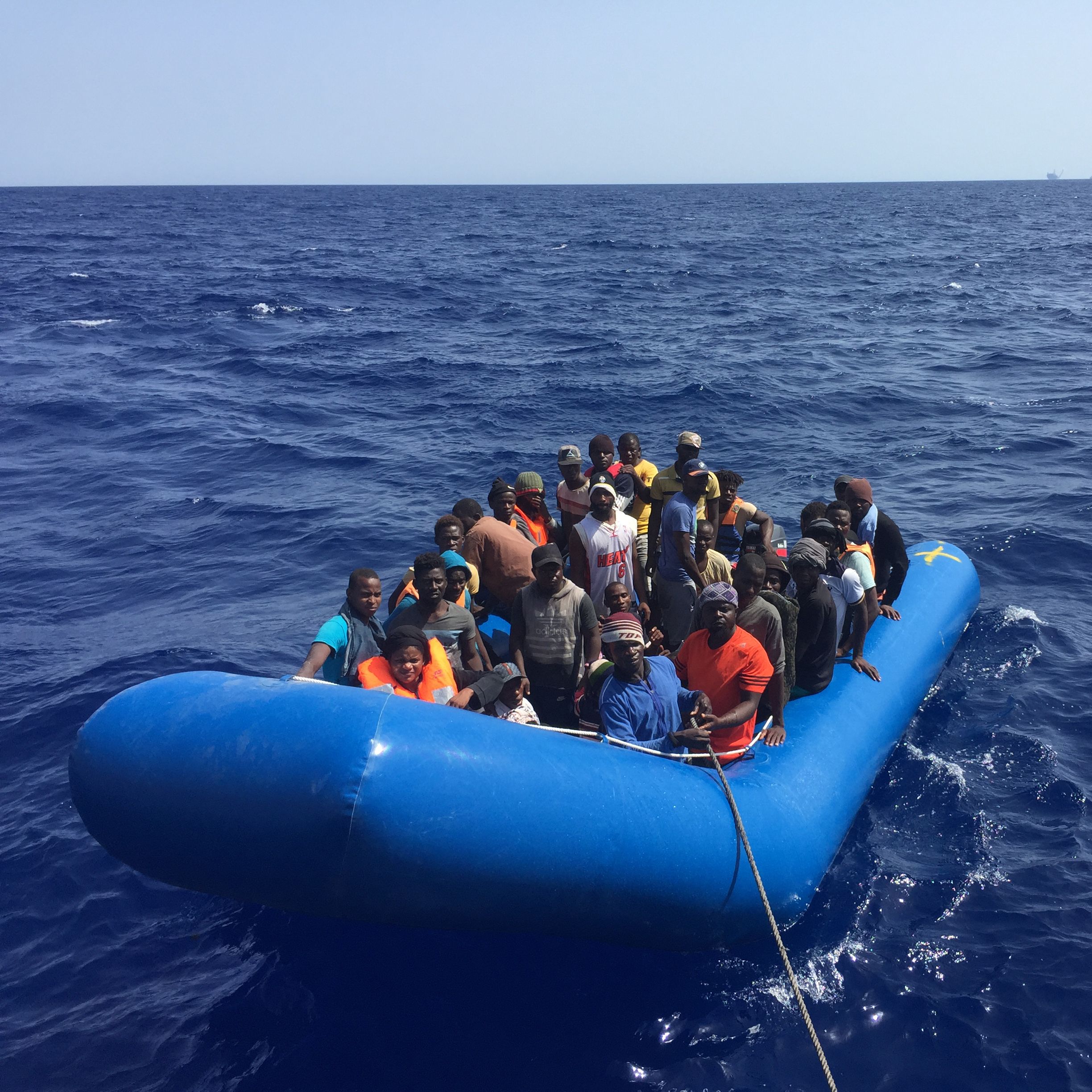
Authorities in eastern Libya say they have rescued about 120 migrants who were reportedly being held captive by human traffickers near the city of Benghazi. Officials also confirmed the recovery of three migrant bodies along the Mediterranean coast during the operation.
According to the Ajdabiya Security Directorate, the rescue operation began after an Egyptian migrant escaped from captivity and was later found exhausted in the coastal town of Bishr, around 120 kilometers southwest of Ajdabiya. The migrant reportedly guided security officers to locations where other migrants were being held.
Authorities said the migrants included Egyptians and people from several other countries. The victims were allegedly kept inside hidden camps where traffickers tortured them and demanded ransom payments from their families. Reports say the migrants were beaten and whipped while videos of their suffering were sent to relatives to pressure them into paying money.
Photos shared by the security directorate showed rescued migrants sitting on the ground after their release. Other images displayed passports, boat engines, water containers, and wooden boats believed to have been used in smuggling operations. Officials also said they discovered a small boat-building site linked to the trafficking network.
The nearly two-week operation reportedly ended with the rescue of the migrants and the issuing of arrest warrants for suspected traffickers who remain on the run. Authorities stated that the migrants have since been deported, although further details were not provided.
The security directorate also confirmed the discovery of three bodies along the coast in Bishr. The victims were identified as two Bangladeshi migrants and one Egyptian migrant. A boat was reportedly found nearby, raising fears that the victims may have died while attempting to cross the Mediterranean Sea.
Bangladesh, Egypt, and several African countries remain major sources of migrants traveling through Libya in hopes of reaching Europe. Many migrants enter Libya seeking work or aiming to continue dangerous journeys across the Mediterranean toward countries such as Italy and Greece.
The Central Mediterranean route remains one of the world’s deadliest migration paths. According to the United Nations, at least 822 migrants have died or gone missing on the route so far this year, compared to 457 during the same period in 2025.
Since the fall of former Libyan leader Muammar Gaddafi in 2011, Libya has struggled with political instability and armed conflict. Rival governments and militia groups continue to control different parts of the country, allowing human trafficking and smuggling networks to operate widely.
Human rights groups have repeatedly warned about conditions faced by migrants in Libya, including reports of torture, forced labor, extortion, sexual abuse, and unlawful detention. Many migrants intercepted at sea and returned to Libya are reportedly placed in detention centers where abuse remains widespread.