
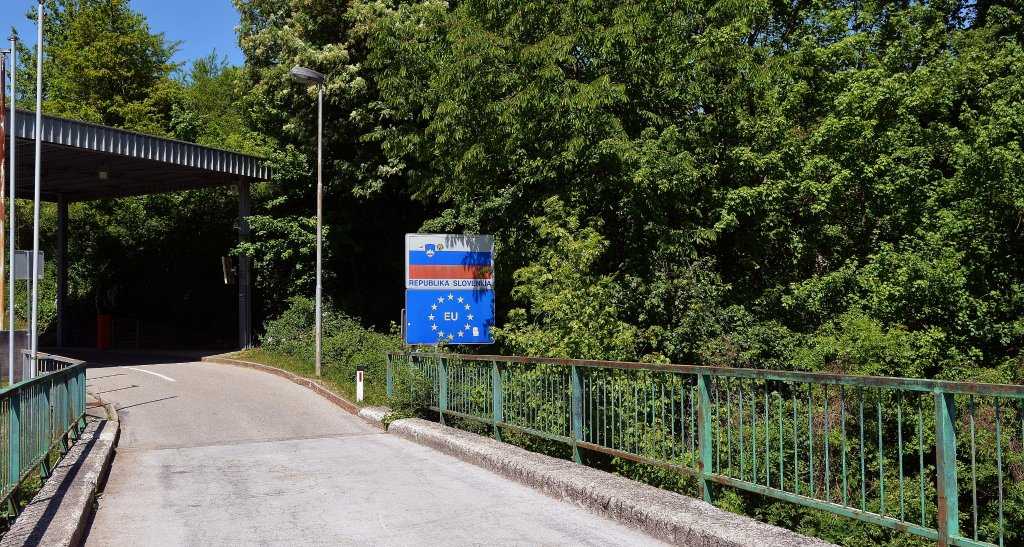
Authorities in Croatia have discovered the bodies of four migrants near the border with Slovenia, in a tragic incident that highlights the dangers faced by people travelling through the Western Balkans.
Police said the bodies were found close to the town of Karlovac, near the village of Donje Prilišće, after receiving a tip-off about a group of migrants in the area. Alongside the deceased, 15 other individuals were discovered, two of whom were in critical condition and taken to the hospital.
Initial reports suggest the group had been transported in a cargo truck under what officials described as inhumane conditions before being abandoned near the border. The driver is believed to have fled the scene, and investigations are ongoing to determine the exact cause of death.
Authorities have not yet confirmed the identities or nationalities of the victims, as post-mortem examinations continue. The incident has once again drawn attention to the risks migrants face while relying on smuggling networks to cross into the European Union.
The Western Balkans region remains a key transit corridor for migrants attempting to reach Western Europe. Countries such as Bosnia and Herzegovina serve as staging points, where migrants often gather before attempting to cross into EU territory.
Law enforcement agencies, including Europol, have repeatedly warned about organized criminal networks operating along these routes. These groups often use complex systems involving drivers, guides, and encrypted communications to move migrants across borders.
In response to rising migration pressures, Croatia has strengthened border controls and announced plans to build a migrant reception centre near its border with Bosnia and Herzegovina. Frontex has also increased its presence in the region to support monitoring and enforcement efforts.
Experts note that migration through the Balkans is no longer a simple route but a fragmented “circuit,” where migrants are forced to repeatedly change paths, face delays, and endure dangerous conditions. This evolving pattern has made journeys longer, riskier, and more unpredictable.
The latest deaths underscore the human cost of irregular migration and the continued challenges authorities face in addressing both humanitarian concerns and cross-border criminal activity.