Close Menu
Migrant Affairs
    Trending News

    EU Opens Contact with Taliban Over Migrant Returns

    October 20, 2025

    EU Strengthens Europol Role to Fight Migrant Smuggling and Trafficking

    September 26, 2025

    EU Border Policies Under Scrutiny After Deadly Migrant Shipwreck

    March 1, 2024

    EU Records Highest-Ever Number of Asylum Applications in 2023

    February 28, 2024

    Doctors Without Borders Condemn European Union Migration Policies

    February 24, 2024

    UK gets EU intelligence on human trafficking

    February 23, 2024
    Facebook X (Twitter) Instagram
    Facebook X (Twitter) Instagram
    Migrant Affairs
    Subscribe
    • Home
    • About
    • News
    • Features
    • Contact
    • Privacy Policy
    • Terms and Conditions
    Migrant Affairs
    Home » Migrant Workers in Lebanon Face Abuse and Isolation Under Kafala System
    Lebanon

    Migrant Workers in Lebanon Face Abuse and Isolation Under Kafala System

    April 23, 2025Updated:April 23, 20253 Mins Read
    Facebook Twitter LinkedIn Copy Link WhatsApp
    Migrant Workers in Lebanon
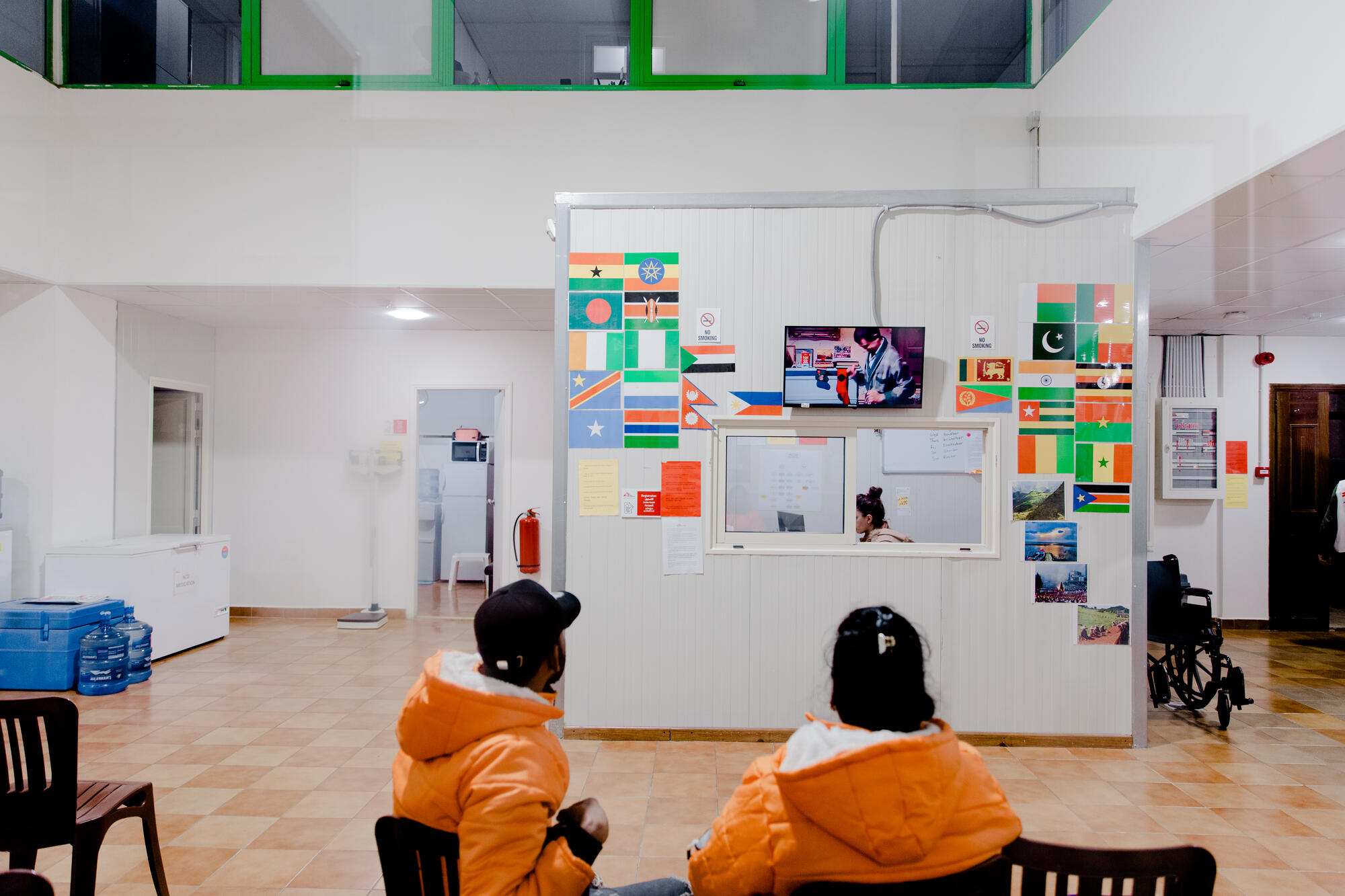
    Joygom and Sujon, two patients, in the waiting room of the MSF clinic in Bourj Hammoud. Lebanon, March 2025. Source: MSF.
    Share
    Facebook Twitter LinkedIn Copy Link WhatsApp

    Thousands of migrant workers in Lebanon are enduring harsh and abusive conditions, many of which go unnoticed and unaddressed. A new update from Médecins Sans Frontières (MSF) has shed light on the suffering of these workers, particularly women from countries like Ethiopia, Bangladesh, and Sudan.

    One of the main issues facing these migrants is the kafala sponsorship system. Under this system, domestic workers are tied to their employers and stripped of their freedom. Employers often withhold legal documents, refuse to let them leave the house, and deny them contact with their families. Many are overworked, underpaid—or not paid at all—and live in fear, with no days off and no support.

    At MSF’s clinic in Bourj Hammoud, a suburb of Beirut, migrant workers are able to access some level of healthcare. While the clinic is open to all, most patients are vulnerable migrants with urgent needs. These include basic health services, mental health support, and assistance in extreme cases like psychiatric emergencies.

    Workers like Ahmet, a mother raising her toddler alone after her husband was deported, express feelings of deep isolation. “I have freedom, but I feel like I’m in prison,” she says. Despite having left her employer’s home, Ahmet still struggles daily—living with seven other migrants in a small rooftop apartment and suffering from a heart condition.

    Others, like Makdes, have shared even more shocking stories. After arriving in Lebanon, she worked for a family that denied her food for 15 days. Another employer verbally and physically abused her. These traumatic experiences have long-term effects, especially as many women like her are too afraid or unable to seek help.

    Healthcare access remains a serious challenge. Many hospitals in Lebanon deny treatment to migrants without legal documents or citizenship. Some are even afraid to go to hospitals, fearing deportation or being asked to pay money they don’t have. The MSF clinic tries to fill this gap, but with limited resources, they can only do so much.

    Language barriers make things worse. Most official documents are in Arabic, and few clinics offer translation. However, MSF has employed community health educators from within the migrant population to guide and support patients, which has helped build trust and understanding.

    MSF social worker Hanan Hamadi notes that most migrants are not just in need of healthcare—they need food, shelter, and financial assistance. “My job often starts with finding someone a safe place to sleep before I can talk to them about their health,” she explains.

    Recent conflict in Lebanon, especially the 2024 war involving Israel, has made things worse. Many employers abandoned their migrant workers, leaving them locked in homes or on the streets. MSF teams responded by bringing aid directly to shelters and using mobile clinics to reach those who couldn’t come to them.

    Sadly, aid for migrants is shrinking. Many local and international programs that once supported migrant communities have closed or lost funding. MSF now finds it harder to refer patients for services like hospitalization. If support continues to decline, more migrant workers will be left in danger, without access to care or safety.

    Despite these difficulties, the MSF clinic in Beirut continues to be a rare safe space for many. But with increasing needs and shrinking support, urgent action is needed to protect migrant workers in Lebanon and ensure their basic rights are respected.

    Ethiopian shelter Beirut healthcare for migrants Lebanon kafala system mental health in Lebanon migrant abuse stories Migrant workers in Lebanon MSF clinic Beirut
    Share. Facebook Twitter LinkedIn Copy Link WhatsApp

    Related Posts

    Spain Migrant Regularisation Scheme Under Scrutiny Amid UK Arrival Claims

    April 24, 2026

    India Opens Migrant Detention Center in Mumbai as Rights Concerns Grow

    April 24, 2026

    Netherlands Introduces Two-Tier Asylum System Limiting Family Reunification

    April 24, 2026

    Comments are closed.

    Top Posts

    Organizations Supporting Migrants and Refugees Worldwide

    Germany’s National Election 2025: Political Party Ideologies on Migration and Migrants

    The Impact of Social Media on Migrant Advocacy and Awareness

    Top Scholarships and Educational Opportunities for Migrants and Refugees in 2026

    Don't Miss

    German Crime Data Sparks Debate Over Whether Migrants Are Unfairly Targeted

    April 20, 20263 Mins ReadBy RACHAEL ADEEGBE

    New crime figures in Germany have reignited a sensitive debate about migrants and crime, with…

    Read More

    Germany Allocates €6.85 Billion to Support Migrant Integration Costs

    April 13, 2026

    Migrant Women in Germany Face Violence Risks Despite Strong Support Systems

    March 27, 2026

    Berlin Justice Senator Halts Migrant Hiring Quotas Over Constitutional Concerns

    March 17, 2026

    Germany Plans to End Funding for Independent Asylum Counseling

    March 16, 2026

    Germany Expands Skilled Migration and Research on Migrant Employment

    March 3, 2026
    RSS News Around
    Stay In Touch
    • Facebook
    • Twitter
    • LinkedIn
    • WhatsApp
    RSS More News
    • Germany news: Lawmakers vote to lower fuel tax amid high gas prices
    • German economy growth forecasts halved
    • Germany unveils first-ever military strategy for Bundeswehr
    • Reza Pahlavi calls for regime change in Iran on Berlin visit
    • Germany news: Bavarian police arrest suspected spies
    About Us

    A news and information site documenting and sharing relevant and helpful stories and resources for and about Migrants.

    Email Us: info@migrantaffairs.info

    Facebook X (Twitter) WhatsApp
    Top Stories

    Refugee Charity Warns UK-France Migrant Deal Could Increase Danger for Asylum Seekers

    April 24, 2026

    UK and France Sign £662m Deal to Tackle Channel Migrant Crossings

    April 23, 2026

    Viral Video of Activist Confronting Ghanaian Migrant Sparks Xenophobia Debate Across Africa

    April 22, 2026
    RSS Business News
    • Meta, Microsoft purge jobs amid AI build-up
    • Russia to block Kazakh oil flows to Germany via key pipeline
    • Could Iran war trigger bigger trade crisis than COVID?
    • Iran war: Jet fuel crisis deepens as Lufthansa cuts flights
    • Apple switches CEO: What it means for the tech giant
    RSS Expat Jobs
    Migrant Affairs
    • Home
    • About
    • News
    • Features
    • Contact
    • Privacy Policy
    • Terms and Conditions
    © 2026 Migrant Affairs

    Type above and press Enter to search. Press Esc to cancel.