
Australia is introducing tougher visa rules for international students, backpackers and working holidaymakers as the government moves to reduce migration and ease pressure on the country’s housing market.
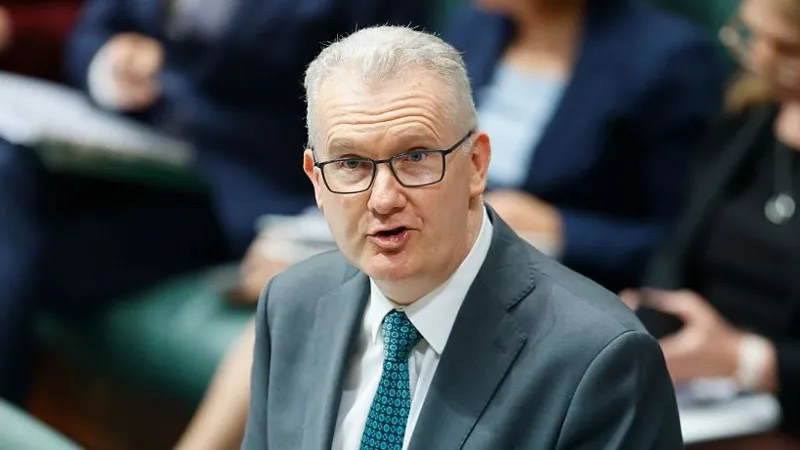
Home Affairs Minister Tony Burke announced the measures, saying the government wants to bring migration down while maintaining the benefits that migrants contribute to Australia.
Under the new rules, international students will no longer be able to bring their partners and children to Australia while they study. The government will also take stronger action against people who remain in the country after their working holiday visas expire.
Authorities are also targeting what the government describes as “visa hopping”, where temporary migrants repeatedly switch from one temporary visa category to another in order to extend their stay.
Burke said people who intend to remain in Australia permanently should apply through the appropriate permanent migration pathway, while those entering temporarily should use temporary visa programmes and leave the country when their visas expire.
The minister said the government wants migration to slow enough to give Australia’s housing supply an opportunity to catch up with demand.
He stressed, however, that migrants were not responsible for Australia’s housing shortage.
Australia’s annual net migration is expected to fall from about 300,000 currently to around 225,000 by 2028. The government says this would bring migration closer to the levels recorded before the COVID-19 pandemic.
Migration increased sharply after Australia’s borders reopened following the pandemic. Net overseas migration reached a record 538,000 in 2022 before beginning to decline.
According to figures cited by Burke, net migration fell to 292,100 in the year to March, representing a 47 per cent decline from the post-pandemic peak.
International students remain a major part of Australia’s temporary migration population. Around 753,000 foreign students are currently living in the country, with China and India among the largest sources of international students.
The government also plans to change how working holidaymakers can obtain extensions. People seeking second- or third-year working holiday visas by working in rural areas will enter a ballot system.
At the same time, applicants with skills considered important to Australia’s construction and housing sectors will receive priority under the visa system.
The government is also tightening conditions for relatives of temporary visa holders who want to visit Australia. Certain visitor visas will carry “no further stay” conditions, preventing visitors from extending their stay or applying for another visa while in Australia.
Burke said the changes were about managing Australia’s migration system rather than eliminating migration.
He described immigration as an important strength for the country but said the government needed to make adjustments as housing pressures increased.
The changes come amid growing public debate over immigration, housing costs and the cost of living.
The far-right One Nation party has also increased its focus on reducing migration. The party has proposed cutting temporary migration by 750,000 over three years, arguing that this would provide greater relief for Australians facing economic pressures.
Burke rejected suggestions that the Labor government’s immigration changes were being driven by One Nation’s growing political support.
The government instead says the measures are part of a broader effort to return migration to more sustainable levels while ensuring Australia’s visa system remains focused on the country’s economic and social needs.
For international students, working holidaymakers and other temporary migrants, the changes could affect who can accompany them, how long they can remain in Australia and the pathways available for extending their stay.