
More than 280,000 migrant workers and their dependants could become eligible to apply for social housing in the United Kingdom earlier than previously expected following changes to the government’s settlement rules for foreign care workers.
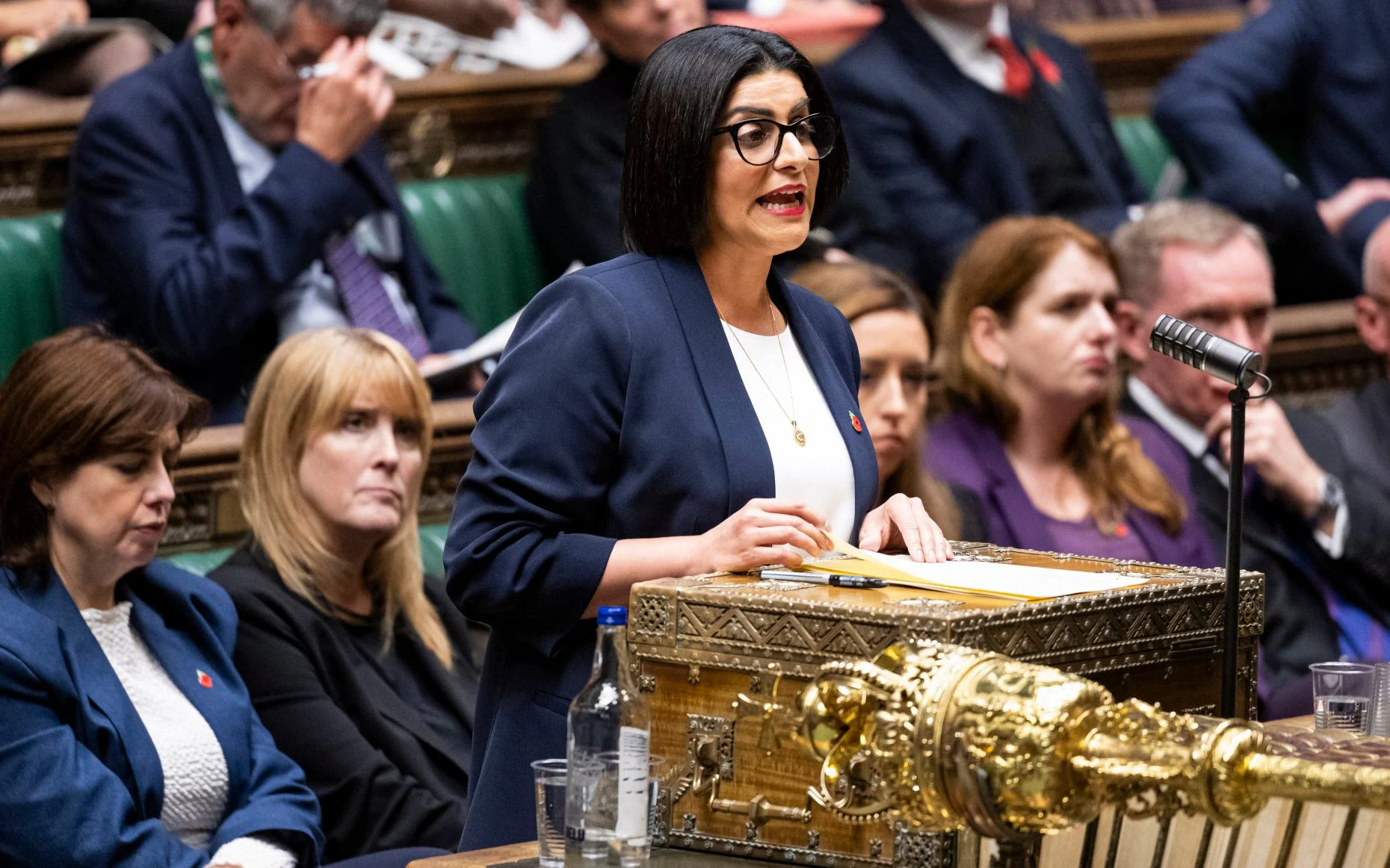
The change follows Home Secretary Shabana Mahmood’s decision to reduce the proposed waiting period for foreign care workers seeking indefinite leave to remain (ILR) from 15 years to five years, provided they meet their visa conditions and earn at least £25,000 annually.
The revised policy means eligible care workers will be able to apply for permanent settlement after five years instead of waiting up to 15 years under the earlier proposal. Migrants granted indefinite leave to remain can apply to join local council housing waiting lists under the same general eligibility rules as British citizens.
An analysis cited by The Telegraph estimates that 282,000 care workers and their dependants could arrive in the UK by 2030. This has raised concerns about additional pressure on the country’s already stretched social housing system.
The UK currently has more than 1.3 million households waiting for social housing, and critics fear that allowing more migrant workers to qualify for permanent settlement sooner could increase competition for available council homes.
Andy Preston, founder of CEO Sleepout UK and former mayor of Middlesbrough, criticised the government’s decision, arguing that it could allow hundreds of thousands of additional people to seek council housing years earlier than originally planned.
He said the change could place further pressure on a housing system that was already struggling to meet demand.
Preston argued that the government should increase housebuilding before making changes that could expand the number of people eligible to apply for social housing. He also questioned how ministers planned to provide additional homes for households already waiting for accommodation.
The Conservative Party also criticised the revised settlement policy, warning that it could increase pressure on public services and housing provision.
Chris Philp, the Conservative shadow home secretary, described the decision as a serious policy failure and argued that British families could face greater competition for council housing.
He said the party would review the settlement arrangements for migrants covered by the policy and make it more difficult for foreign nationals to qualify for permanent residency. He also called for British families to receive priority in social housing allocation.
Mahmood changed her original proposals following opposition within the Labour government, including criticism from senior Labour figures such as Angela Rayner. More than 100 Labour MPs and several major trade unions had also expressed opposition to the earlier settlement plans.
In March, Mahmood warned that allowing migrants to qualify for permanent settlement after five years could cost public finances billions of pounds through increased spending on benefits, healthcare, education and social housing.
The housing debate comes as the Labour government faces difficulties meeting its promise to build 1.5 million homes across the country within five years.
Figures cited by The Telegraph show that only 310,000 homes were built in England between July 2024 and January 2026. Rayner, who serves as Housing Secretary, had previously acknowledged that the government faced a slim chance of achieving its original target.
Labour had also pledged to build 180,000 new social homes over the next decade. However, rising construction and borrowing costs, alongside the wider housing shortage, have continued to affect the government’s building plans.
Responding to criticism of the settlement changes, a government spokesperson said the revised system would link permanent settlement more closely to migrants’ economic contributions.
The spokesperson added that the government expected to save billions of pounds in benefit spending, while more than 500,000 people would be required to make greater contributions and wait longer before qualifying for settlement.
The policy change has therefore raised questions about how the UK government will balance its immigration settlement rules, the contribution of migrant care workers and the growing demand for affordable housing.
Although eligible migrants with indefinite leave to remain can apply for social housing, this does not guarantee that they will receive a council home. Applications remain subject to housing eligibility rules, local allocation policies and the availability of accommodation.