
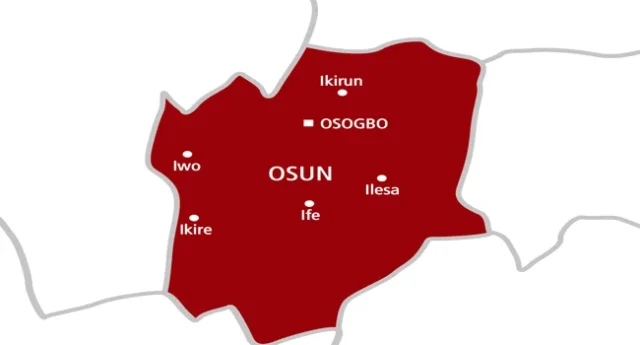
The Osun State Government has identified the movement of migrant miners from northern Nigeria and interruptions in tuberculosis treatment as factors contributing to the spread of the disease in parts of the state.
The government said some miners diagnosed with tuberculosis in Atakunmosa West and Atakunmosa East local government areas had relocated before they could begin treatment, making it difficult for health authorities to monitor their condition and prevent further transmission.
The Osun State Programme Manager for Tuberculosis, Leprosy and Buruli Ulcer at the Ministry of Health, Dr Rotimi Oladele, disclosed this during a community dialogue with health workers in Osogbo.
The one-day engagement, organised under the Combat Drug-Resistant Tuberculosis (DR-TB) Project, brought together healthcare workers, public health experts, non-governmental organisations, community representatives and officials from the Damian Foundation and Shead Foundation.
Speaking at the event, Oladele explained that the movement of migrant miners between communities had created challenges for tuberculosis diagnosis, treatment and disease control.
He said health workers had identified tuberculosis cases among miners from northern Nigeria working in Atakunmosa West and Atakunmosa East. However, some of those diagnosed had moved to unknown locations before treatment could begin.
According to him, some miners might have already been diagnosed or started taking medication in northern Nigeria before travelling to Osun, while others moved away after being diagnosed in the state.
Oladele warned that such movements made it difficult for health authorities to maintain contact with patients and ensure they completed their treatment.
He also cautioned that people diagnosed with tuberculosis who failed to take their medication as prescribed or stopped treatment prematurely could continue spreading the infection.
The health official stressed that completing the prescribed treatment was essential to achieving the expected medical outcome and reducing the risk of further transmission.
He urged media organisations to support the state’s efforts by increasing public awareness about tuberculosis, its symptoms and the importance of seeking medical attention early.
Meanwhile, the Osun State TB Network Coordinator, Joseph Abioye, said the community dialogue was organised to encourage health workers and community members to share their experiences and identify practical ways to improve the diagnosis, treatment and support of people living with drug-resistant tuberculosis.
He explained that the engagement also provided an opportunity to examine the challenges facing healthcare workers and strengthen community involvement in controlling the disease.
Abioye said the state government had an established system for collecting and validating tuberculosis data to monitor infections and ensure patients could access treatment.
He explained that the monthly data harmonisation exercise brought together implementing partners, local government supervisors and the state tuberculosis programme team to review and verify information collected across the state.
The data covered suspected tuberculosis cases, patients receiving treatment, people diagnosed with drug-resistant tuberculosis and individuals supporting patients throughout their treatment.
Although he acknowledged the contributions of government agencies and other stakeholders, Abioye said additional financial and material support was needed to strengthen tuberculosis control efforts in Osun.
He called on philanthropists, private individuals and other organisations to support people living with the disease, noting that government resources alone were not sufficient to meet all the needs of affected communities.
Abioye encouraged individuals interested in community development to consider supporting tuberculosis programmes as part of efforts to improve healthcare access and reduce the spread of the disease.
The concerns raised by Osun health officials highlight the challenges of maintaining continuous tuberculosis treatment among mobile populations, particularly migrant workers who frequently move between locations for employment.