
Paris authorities are facing growing pressure as migrant camps continue to expand across different parts of the city. Newly elected Paris Mayor Emmanuel Grégoire has now promised to create new shelters and improve support for migrants sleeping on the streets after visiting one of the largest camps in the French capit
The temporary camp, located under the line two metro between Barbes-Rochechouart, Stalingrad, and La Chapelle stations near Gare du Nord, is currently home to around 800 migrants. Reports say many of the residents come from African countries including Eritrea, Senegal, Mali, Gambia, Sudan,
The camp has become one of the biggest symbols of the growing homelessness and migration crisis in Paris. Many migrants living there survive through food donations from aid groups and local volunteers. Some residents explained that they light small fires at night to stay warm, although this has sometimes caused smoke-related health problems inside the crowded tents.
The migrant camps are not new in Paris. Similar camps have appeared many times over the years despite repeated police clearances. Humanitarian organization Utopia 56 estimates that around 5,000 people are currently sleeping rough in different areas across Paris.
Mayor Grégoire, who became mayor in March 2026 after replacing Anne Hidalgo, said the city is ready to create large accommodation centers to move migrants away from the streets. According to local reports, the mayor said he plans to take a “pragmatic” approach to the crisis.
One of his deputies, Fatoumata Koné, explained that previous strategies did not work well because migrants who were moved outside Paris often returned quickly to the capital. Many migrants reportedly prefer to stay in Paris because they hope to continue their journey toward Calais and eventually cross into the United Kingdom.
Living conditions inside the camps remain difficult. There is little access to running water, sanitation, or healthcare. French media reported strong odors, overflowing rubbish, and overcrowded sleeping areas. Aid groups also warned about increasing violence linked to drug abuse in some parts of the camp.
Local residents living near the camp have expressed mixed feelings about the situation. Some people complained about insecurity, violence, and falling property values, while others continue to support migrants with food, clothes, and humanitarian assistance. A few residents said some migrants have even organized informal security patrols to reduce drug-related violence at night.
Organizations supporting migrants fear that the current shelter system is becoming overwhelmed. According to aid workers, emergency shelters for single men are closing while demand continues to rise. Activists warned that hundreds more people could soon end up sleeping outside if additional support is not provided quickly.
Paris authorities recently announced a wider plan to fight homelessness and rough sleeping. During a “night of solidarity” count carried out earlier this year, officials recorded nearly 3,900 people sleeping on the streets of Paris, the highest number since the initiative began in 2018.
Since 2023, Paris officials say they have added 1,000 extra shelter spaces and are planning to create up to 4,000 more places in the coming years. Authorities are also searching for unused schools, hotels, and public buildings that can be converted into temporary shelters for migrants, families, and vulnerable young people.
City officials insist the goal is not simply to remove migrants from public view, but to provide dignified living conditions and connect people with social welfare support and legal assistance.
Trending News
Paris Mayor Promises New Shelter Plan as Migrant Camps Grow Across French Capital
Updated:3 Mins Read
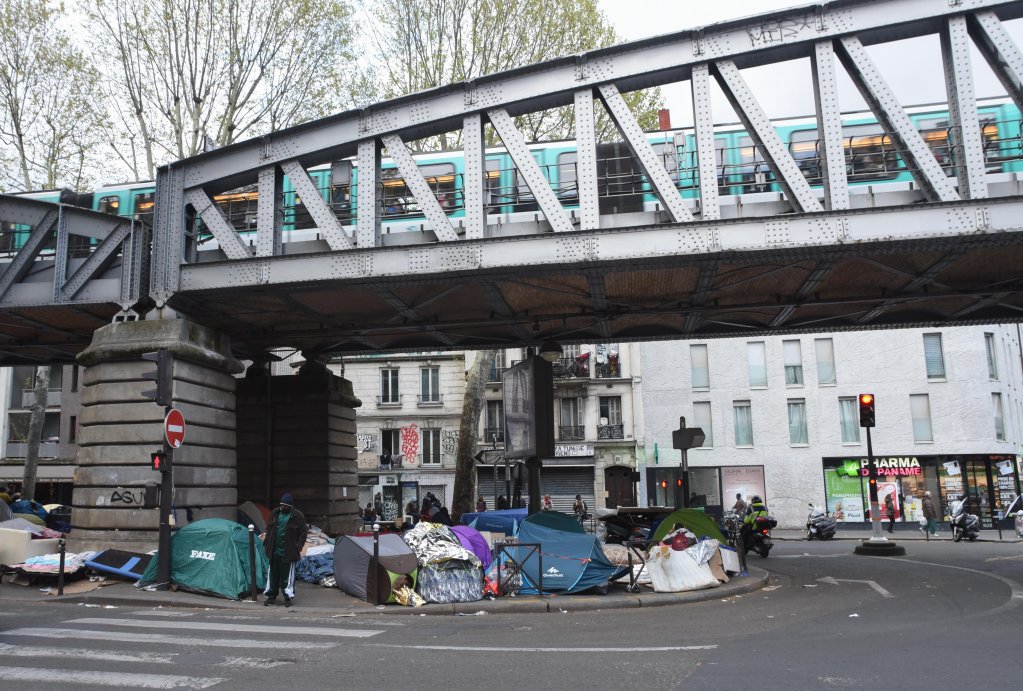
File photo used as illustration: Some residents say that violence has become a problem in parts of the camp, due to the use of drugs of some of the residence | Photo : Mehdi Chebil. Source: Infomigrants.