
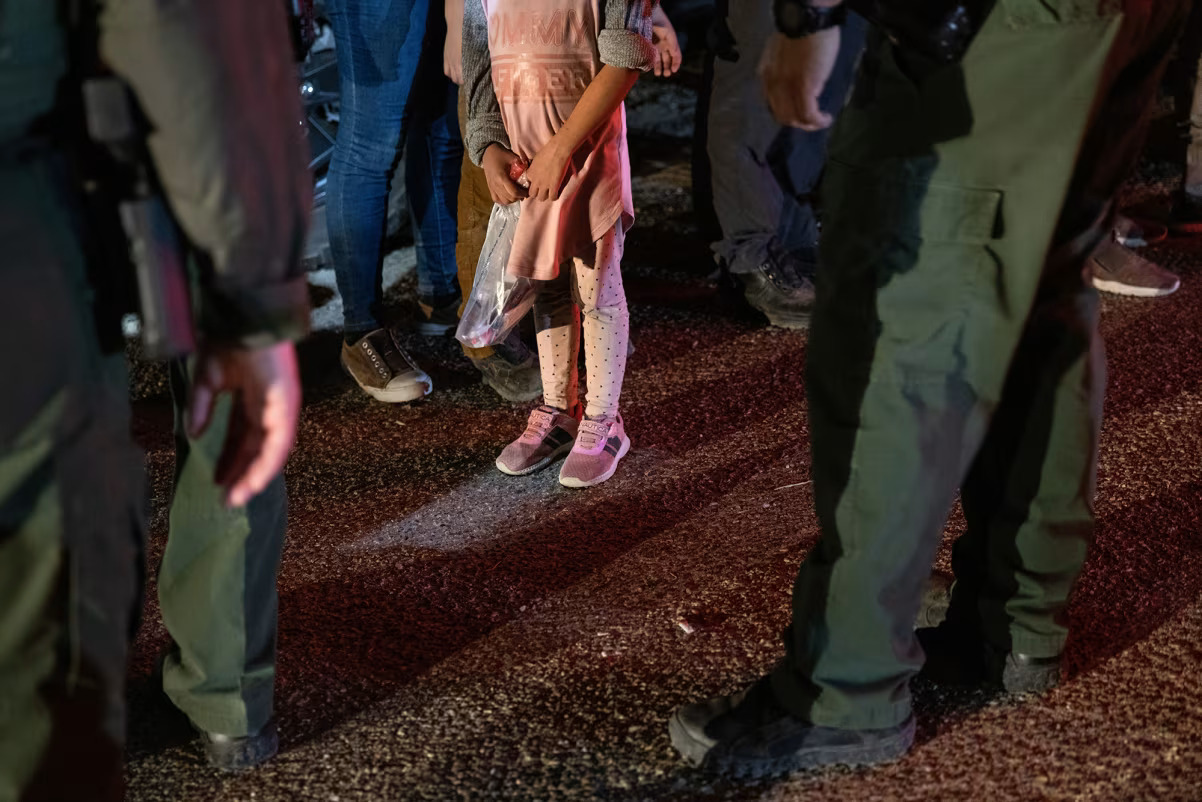
The administration of Donald Trump is preparing to speed up deportation processes for migrant children in government custody, according to new reports. The move has raised serious concerns among legal experts and child rights advocates about fairness, due process, and the wellbeing of vulnerable minors.
Under the proposed changes, immigration hearings for children are being scheduled much earlier than before—sometimes weeks or even months ahead of expected timelines. These hearings are critical, as they determine whether a child can remain in the United States or be deported.
Advocates warn that the accelerated process could make it harder for lawyers to properly prepare cases. Many children already face challenges navigating the complex immigration system, and earlier hearings may reduce their chances of receiving legal support or protection.
Reports indicate that children as young as four years old are being required to attend court sessions repeatedly, often within short timeframes. In some cases, they appear without legal representation. According to child advocacy groups, the experience can be overwhelming, with many children showing signs of distress and anxiety before hearings.
The policy shift is part of a broader effort by US authorities to tighten immigration enforcement, particularly targeting unaccompanied minors or children who were returned to custody after their guardians were detained by US Immigration and Customs Enforcement.
Legal representatives and advocacy groups have expressed concern that rushing cases could result in children being deported to unsafe conditions. In some areas, such as Texas, hearings for hundreds of children have reportedly been moved forward with little notice, leaving limited time to prepare defenses.
Organizations like Kids in Need of Defense say the pressure on children is significant. Many are still adjusting to life in a new country while dealing with legal proceedings that they may not fully understand.
Government officials, however, defend the policy. A spokesperson from the Department of Health and Human Services stated that the goal is to resolve cases involving unaccompanied children “as quickly and efficiently as possible,” while staying within the law.
A White House official also said the administration is working to disrupt human trafficking networks and ensure that children are returned safely to their home countries and families.
Despite these assurances, critics argue that speed should not come at the expense of due process. They emphasize that children in immigration proceedings require special protections, including access to legal counsel and sufficient time to present their cases.
Current data shows that migrant children are spending an average of nearly seven months in custody, a figure significantly higher than in previous years. As of March, more than 2,000 children were being held in facilities funded by the Department of Health and Human Services across 24 states.
The situation highlights the ongoing tension between enforcement policies and humanitarian concerns in US immigration debates. As the new measures take effect, their impact on children’s rights and legal outcomes will remain under scrutiny.