
The UK government has abandoned plans to use voluntary work as a way for migrants to qualify for permanent settlement earlier, following strong opposition from charities and organisations across the voluntary sector.
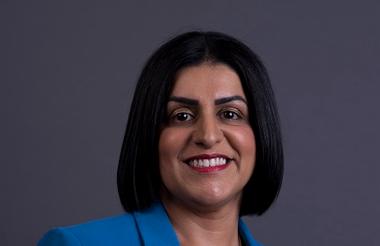
The Home Office confirmed the decision in its response to a public consultation on the proposed earned settlement system, led by Home Secretary Shabana Mahmood. The decision means migrants will no longer be able to shorten their qualifying period for indefinite leave to remain (ILR) through community volunteering.
The proposal, first outlined by Mahmood at the Labour Party Conference in September 2025, was intended to reward migrants who demonstrated good conduct, contribution to society and integration into their communities.
Under the proposed arrangement, migrants could have reduced a new standard 10-year qualifying period for settlement by three to five years through voluntary activities. The previous standard qualifying period had been five years.
However, the proposal attracted considerable criticism from charities, which warned that making volunteering part of immigration requirements could expose vulnerable migrants to exploitation and place additional pressure on voluntary organisations.
Around 300 organisations signed an open letter organised by Asylum Matters last year, declaring their opposition to the plans and refusing to participate in their implementation.
The National Council for Voluntary Organisations (NCVO) also called on the Home Office to withdraw the proposal in February 2026.
Welcoming the government’s decision, Leigh Brimicombe, NCVO’s chief influencing officer, described the reversal as a major victory for the charity sector.
He said the proposal was wrong for several reasons and praised the collective efforts of charities that had campaigned against it. Although he acknowledged that the decision did not resolve every concern facing voluntary organisations, he said it demonstrated the effectiveness of collective action and public consultation.
Minnie Rahman, chief executive of Praxis, which was among the organisations that signed the Asylum Matters letter, also welcomed the announcement but called for wider changes to the government’s immigration policies.
Rahman described the decision as a limited improvement, arguing that ministers needed to do more to protect volunteering communities from extremist threats. She also called on the government to abandon Mahmood’s wider settlement reforms rather than make adjustments to individual proposals.
During the consultation, charities and other respondents raised concerns about how volunteering would be defined, documented and assessed consistently.
They also warned that the requirement could unfairly disadvantage migrants with disabilities, caring responsibilities, demanding working hours or other commitments that limit their ability to participate in voluntary activities.
The consultation report, titled A Fairer Pathway to Settlement, identified additional challenges involving safeguarding and the verification of voluntary work.
Responding to the concerns, Mahmood confirmed that the government would not use volunteering to reduce settlement qualifying periods under the new earned settlement model.
The NCVO subsequently thanked charities and individuals who participated in the consultation and campaigned against the proposal. Brimicombe also praised the government for listening to concerns raised by the voluntary sector.
Although the withdrawal represents a significant concession to charities, the government’s broader earned settlement reforms remain in place. Migrants seeking indefinite leave to remain in the UK could therefore still face a longer standard qualifying period under the proposed new system.