
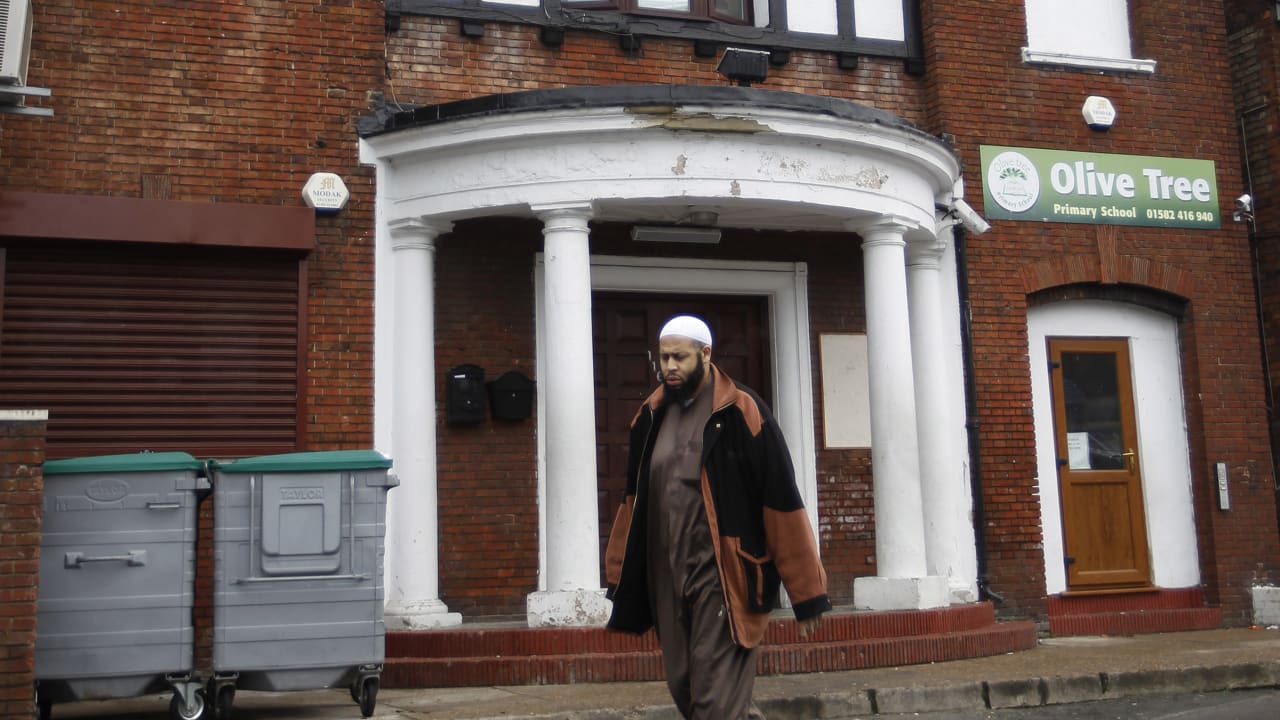
A UK-based Islamic charity accused in the past of having links to Iran’s Islamic Revolutionary Guard Corps (IRGC) has been granted permission to sponsor skilled workers and religious ministers seeking to move to Britain, according to a report by The Telegraph.
The Islamic Center of England, which operates as a registered charity in the UK, holds a Home Office sponsor licence that allows eligible organizations to sponsor foreign nationals for certain work and religious roles under Britain’s immigration system.
The development has drawn attention because of previous allegations concerning the organization’s relationship with the Iranian government and the IRGC. The charity has also faced official scrutiny over material published by the organization, including video content that was criticised for promoting the destruction of Israel.
The centre has rejected claims that it acts on behalf of the Iranian government or any political organization. In a statement reported by The Telegraph, the organization said it was an independent UK charity and not an official representative of any government, political body or individual.
The charity said its sponsor licence was held under the same immigration framework available to other eligible charities and religious organizations in Britain. It maintained that its activities were conducted in compliance with UK law and in line with its stated charitable objectives.
The controversy comes as the UK government continues to strengthen its approach to organizations and individuals suspected of supporting or facilitating activities linked to the Iranian regime.
A spokesperson for the Home Office said the Islamic Center of England had not sponsored any workers since 2022 and confirmed that the Charity Commission was investigating the organization.
The Home Office also stressed that the government takes threats associated with the Iranian regime and individuals acting on its behalf seriously. It pointed to recent efforts to strengthen legislation targeting support for the IRGC and to give law enforcement and intelligence agencies greater powers to investigate and disrupt suspected activities.
According to the department, any evidence of wrongdoing uncovered during investigations could result in serious consequences for those responsible. These could include criminal prosecutions, lengthy prison sentences, the loss of relevant licences and additional civil action.
The case highlights the scrutiny faced by organizations operating in Britain that have alleged connections to foreign governments or groups designated as security threats. While holding a sponsor licence allows an organization to participate in the UK’s immigration sponsorship system, it does not exempt it from regulatory or legal investigations.
The Home Office’s comments suggest that the organization’s ability to sponsor workers could be affected if authorities establish evidence of wrongdoing. For now, however, the government has not announced that the charity’s sponsor licence has been revoked.
The Charity Commission’s investigation and any further action by UK authorities are expected to determine whether the allegations against the organization have legal or regulatory consequences.
The issue also comes amid heightened tensions between Britain and Iran, with UK authorities increasingly focused on activities they believe may be connected to the Iranian state or the IRGC. The government’s position is that organizations found to have breached British law or supported prohibited activities could face the full range of available legal and regulatory penalties.