
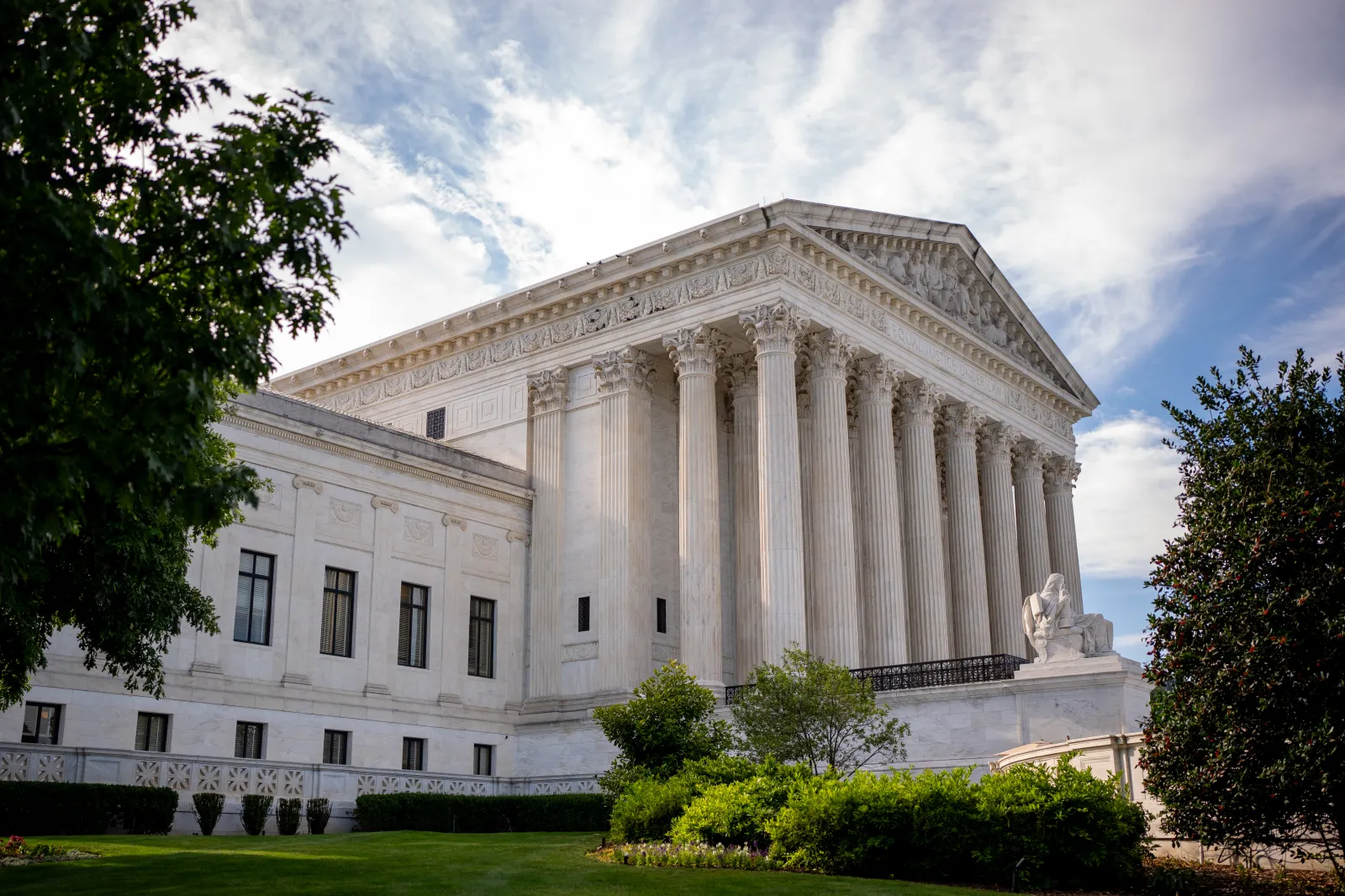
The Supreme Court of the United States has dealt a temporary setback to Donald Trump’s administration after refusing to immediately end deportation protections for thousands of migrants from Haiti and Syria.
In a brief decision, the court agreed to review legal challenges against the administration’s move to cancel Temporary Protected Status (TPS), but ruled that current protections must remain in place while the case continues.
This means that about 350,000 Haitians and around 6,000 Syrians will still be allowed to live and work legally in the United States for now. They will also remain protected from deportation until the court reaches a final decision.
TPS is a humanitarian programme that supports people from countries facing war, natural disasters, or major crises. Haiti received the status after the 2010 earthquake, while Syria was included due to its ongoing civil war.
The Trump administration had asked the court to urgently allow it to move forward with ending these protections. Officials, including Homeland Security Secretary Kristi Noem, argued that TPS was always meant to be temporary and that conditions in some countries have improved.
However, immigration lawyers and advocacy groups disagree. They say both Haiti and Syria are still unsafe, pointing to ongoing violence, instability, and economic hardship.
Lower courts in New York and Washington, D.C., had already blocked the administration’s attempt to end TPS, raising concerns about how the decision was made. One court suggested that improper factors may have influenced the move to end protections for Haitians.
The Supreme Court has now combined the Haiti and Syria cases and scheduled arguments for next month. This step will allow the justices to decide whether the administration has the legal authority to end TPS protections.
The issue has become part of a wider immigration debate in the United States. The Trump administration has also attempted to end similar protections for migrants from countries like Yemen, Somalia, and Venezuela, although some of these efforts have been delayed by ongoing court cases.
Advocacy groups, including the International Refugee Assistance Project, have welcomed the court’s decision to keep protections in place for now, even as they expressed concern about how quickly the case is being reviewed.
The Department of Homeland Security has defended its actions, saying it is working to reduce what it calls misuse of immigration programmes, including TPS.
The Supreme Court is expected to hear full arguments on the case next month, with a final decision likely to have a major impact on U.S. immigration policy and the future of thousands of migrant families.