
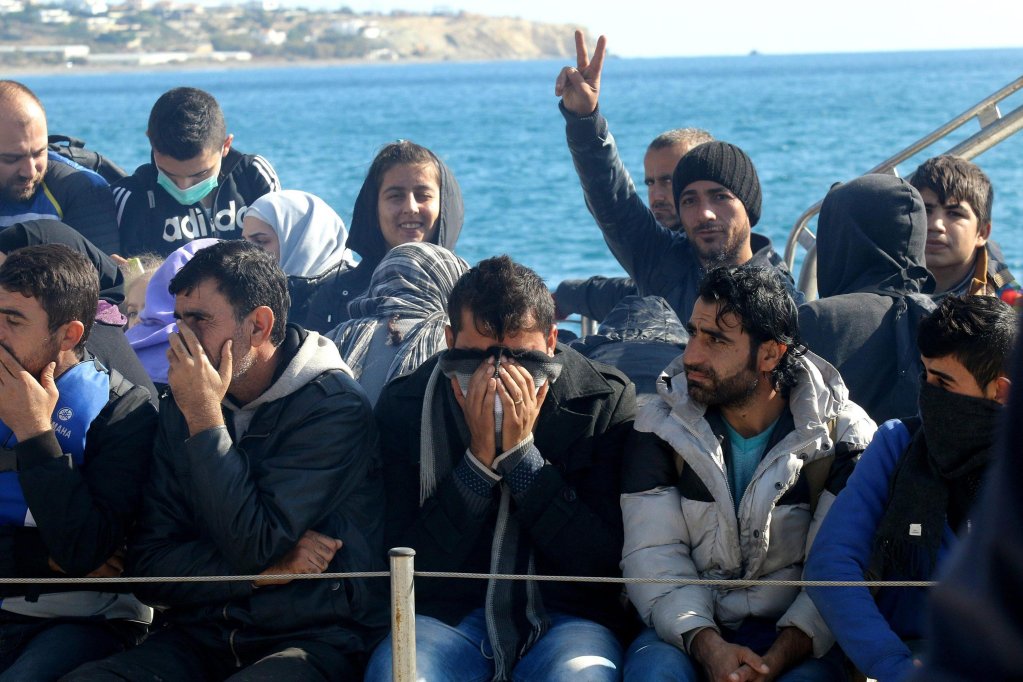
A tragic incident has highlighted the dangers of irregular migration routes to Greece, after at least 22 migrants were reported dead during a weeklong sea journey across the Mediterranean.
The small rubber boat, which had departed from Tobruk in Libya on March 21, was discovered nearly 100 kilometers south of Crete on March 27. According to authorities, a vessel operated by Frontex managed to rescue 26 people onboard, including a woman and a minor.
Two of the survivors were taken to the hospital in Crete for urgent medical care, while others were treated after suffering from extreme exhaustion and dehydration. The rescued group included 21 nationals from Bangladesh, four from South Sudan, and one from Chad.
Survivors told authorities that the journey lasted six days under harsh weather conditions, with no food or water. Many passengers reportedly died from exhaustion during the trip. In a disturbing account, survivors said that the bodies of those who died were thrown into the sea on the orders of one of the smugglers.
Greek officials have arrested two South Sudanese men, aged 19 and 22, who are suspected of organizing the journey. They are currently facing charges including illegal entry and negligent homicide.
The incident reflects a wider crisis in the Mediterranean, one of the world’s deadliest migration routes. According to the International Organization for Migration, at least 559 migrants died in the region in the first two months of 2026 alone, nearly double the number recorded during the same period last year.
European authorities say such tragedies highlight the need to strengthen efforts against migrant smuggling networks. However, human rights groups argue that stricter migration policies may be pushing migrants to take even more dangerous routes.
In recent months, the European Parliament has backed tougher migration measures, including plans to establish “return hubs” outside the EU. Critics warn that such policies could further limit protection for vulnerable migrants.
Meanwhile, Greece has also tightened its migration rules, increasing border patrols, introducing stricter asylum laws, and imposing harsher penalties on those involved in irregular migration. Islands like Crete have become key entry points for migrants leaving North Africa, placing growing pressure on local authorities and resources.