
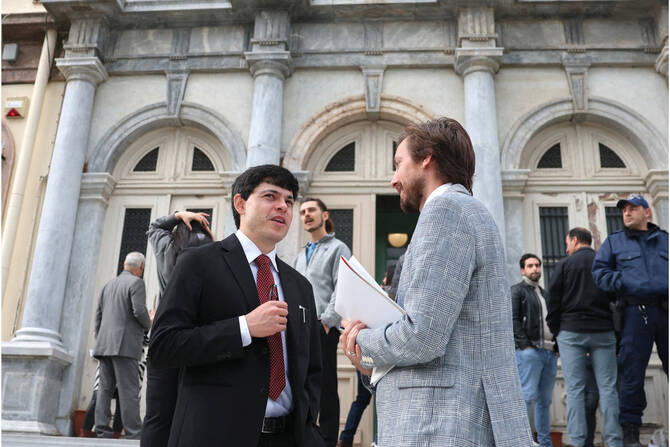
A growing controversy has emerged around migration policies in Greece after the arrest of a humanitarian worker and new reports alleging abuse against asylum seekers, raising serious human rights concerns across Europe.
The case centers on Tommy Olsen, founder of the Aegean Boat Report NGO, who was arrested in Norway following a European arrest warrant issued by Greek authorities. He is accused of involvement in migrant smuggling and facilitating irregular entry. However, rights groups, including Human Rights Watch and Amnesty International, argue the charges are politically motivated and warn that his extradition could criminalize humanitarian work.
The controversy deepened after findings linked to Frontex revealed disturbing allegations from a 2023 incident. According to reports, a group of migrants crossing the Evros River was attacked by masked individuals described as “paramilitaries,” allegedly acting under the direction of Greek authorities. Victims reported severe abuse, including beatings, threats, and theft, prompting calls for a full investigation.
New data released by refugee support groups paints a troubling picture of migration trends in Greece in 2025. Organizations reported thousands of arrests for illegal entry and stay, along with dozens of deaths and missing persons linked to dangerous sea crossings. In total, over 52,000 migrants arrived in Greece last year, with more than 55,000 asylum applications recorded.
At the same time, Greece is stepping up deportation efforts through new international cooperation. The Greek Ministry of Migration and Asylum has begun working with U.S. authorities to strengthen return procedures, including exploring digital tools used by American agencies to manage voluntary deportations.
Conditions inside migrant facilities have also come under scrutiny. A coalition of NGOs reported serious challenges in closed camps across Greek islands such as Lesvos, Samos, Chios, Kos, and Leros. Issues include limited healthcare access, poor living conditions, lack of interpreters, and restrictions on NGO operations.
Human rights advocates say these developments reflect a broader tightening of migration policies across Europe. While governments argue that stricter controls are necessary to manage migration flows, critics warn that such measures risk undermining fundamental rights and protections for vulnerable people.
The situation in Greece highlights the ongoing tension between border control and human rights, as Europe continues to face pressure to balance migration management with legal and ethical responsibilities.