
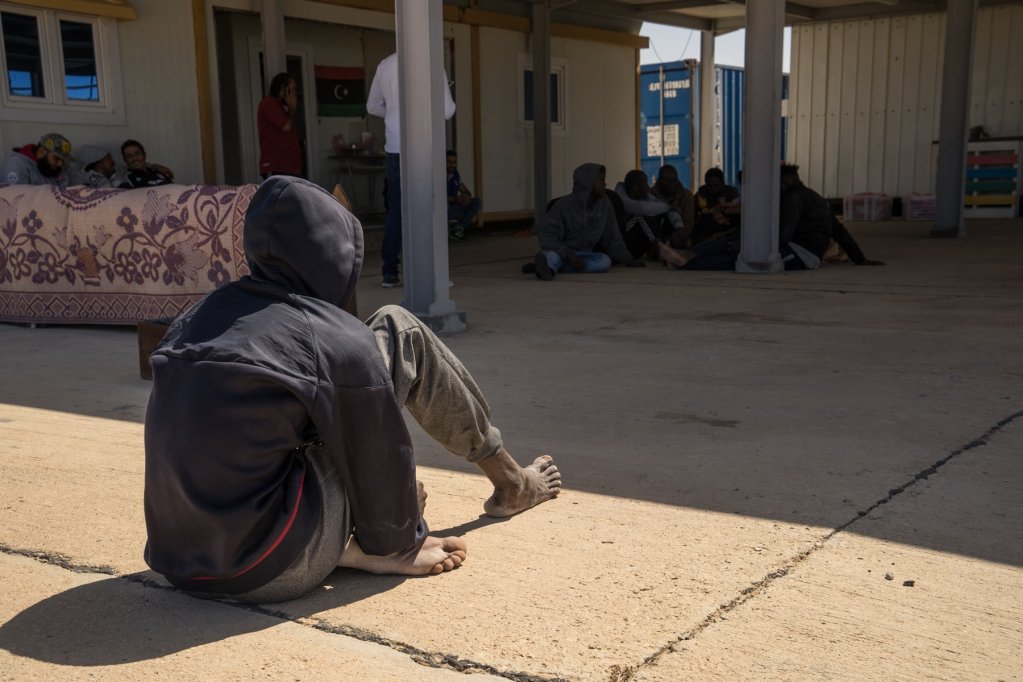
Authorities in Libya have taken a major step against migrant exploitation by sentencing members of a criminal smuggling network, while Greece is increasing diplomatic efforts to reduce irregular migration across the Mediterranean.
A court in Tripoli sentenced four individuals to prison terms ranging from 12 to 22 years for crimes including migrant smuggling, kidnapping, and torture. Prosecutors said the group operated along the western coastal area near Zuwara, a well-known departure point for migrants attempting dangerous journeys to Europe.
According to authorities, the network kidnapped migrants and demanded ransom from their families. In many cases, they reportedly sent videos showing victims being tortured to force payments. One of the suspects was sentenced in absentia, while officials chose not to release the identities of those involved.
This case highlights the wider migration crisis in Libya, which has grown since the fall of Muammar Gaddafi in 2011. Over the years, Libya has become a major transit hub for migrants fleeing conflict, poverty, and insecurity across Africa and the Middle East.
Recent tragedies show how dangerous the situation remains. Earlier this month, at least 17 migrant bodies were recovered near Zuwara. In another incident, a boat carrying migrants from Tobruk capsized, killing 38 people from Sudan, Egypt, and Ethiopia. These incidents reflect the ongoing risks migrants face when trying to cross the Mediterranean Sea.
The impact of these migration flows is being strongly felt in southern Europe. The Greek island of Crete has seen a sharp increase in arrivals from Libya. In late March, 22 migrants died during a crossing, and survivors reported that bodies were thrown into the sea before rescue teams arrived. In early April, more than 300 migrants were rescued within a few days.
Amid these developments, Giorgos Gerapetritis visited Tripoli to hold talks with Libyan officials. Discussions focused on improving cooperation to combat smuggling networks and manage migration more effectively. Both sides agreed to work on a broader strategy that includes shared responsibility and stronger security coordination.
However, challenges remain. Libya is still politically divided, with a UN-recognized government in the west and a rival administration in the east led by Khalifa Haftar. Greece has been engaging both sides in an effort to control migration flows.
Tensions also continue over maritime boundaries in the Mediterranean, especially after Libya signed a controversial agreement with Turkey in 2019. Greece argues that the deal affects its rights around Crete and complicates cooperation on migration.
Despite ongoing efforts, experts say migrants in Libya remain trapped in a cycle of exploitation. Smuggling networks continue to adapt, taking advantage of instability, corruption, and weak governance. As a result, many migrants face abuse on land and life-threatening journeys at sea, while criminal groups continue to profit from their desperation.