
Spain’s efforts to clear a migrant backlog in its North African enclave of Ceuta have raised concerns over alleged forced deportations, inadequate legal assistance and the treatment of vulnerable asylum seekers.
Nearly three months after thousands of migrants crossed into Ceuta on July 30, an estimated 7,000 to 8,000 people remain scattered across the city, sleeping outdoors or relying on overcrowded charity facilities.
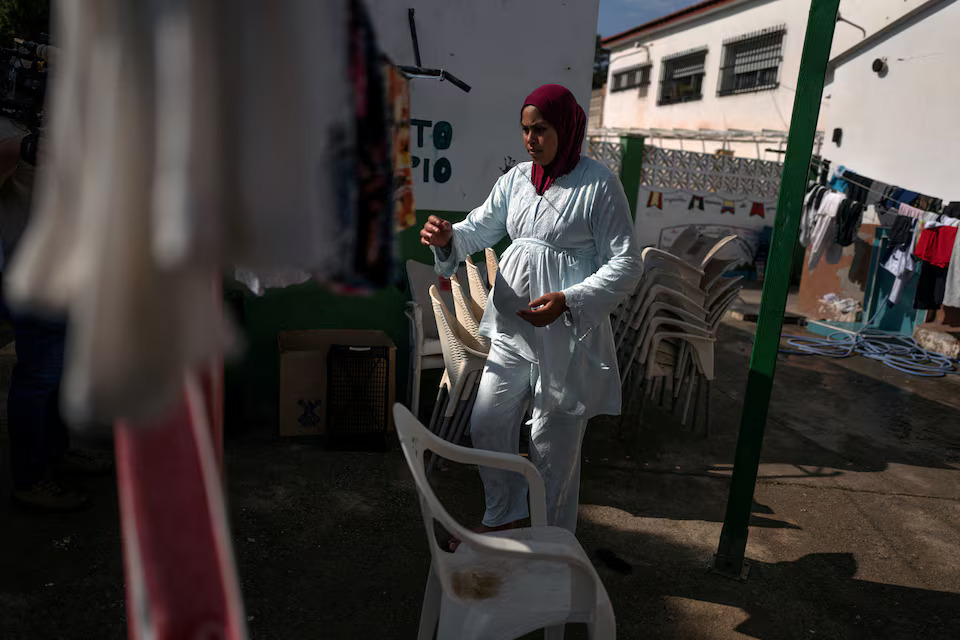
Among them is Fatna, a 21-year-old Moroccan woman who arrived heavily pregnant with her disabled three-year-old son. Her newborn daughter is suffering from kidney problems and needs specialist treatment on mainland Spain. However, the family has struggled to obtain permission to travel while her asylum claim is being reviewed.
The crisis has placed Prime Minister Pedro Sánchez’s government under growing pressure as Spain prepares for a snap election on November 29. The government is seeking to accelerate asylum processing and encourage migrants considered economic migrants to return to their countries of origin, particularly Morocco.
However, charities and lawyers warn that rushing cases could put people with legitimate protection needs at risk. More than 20 interviews conducted by Reuters with migrants, lawyers, aid organisations and security personnel highlighted concerns about unaccompanied children, vulnerable families and LGBT Moroccans who fear persecution if returned.
Eight organisations, including Oxfam and Amnesty International, recently filed a complaint with Spain’s ombudsman alleging serious rights violations. The complaint included claims of forced returns involving migrants from conflict-affected countries and the denial of interpreters and legal assistance.
Spain’s Interior Minister Fernando Grande-Marlaska has denied that covert deportations are taking place, describing returns as voluntary. The government says 12,000 migrants have returned across the border since mid-August, while approximately 1,200 asylum applications have been received and 700 resolved.
However, at least nine non-governmental organisations have alleged that some migrants were pressured or deported without adequate explanation. One organisation reported that migrants from Sudan and Chad were summoned by police in September and subsequently returned to their countries or across the border without warning.
Moroccan nationals remain entitled to seek asylum even though Morocco is classified as a safe country of origin under European Union rules. Immigration experts stress that each application must be assessed individually, taking account of the applicant’s circumstances and potential risks.
Rayane, a 19-year-old gay Moroccan awaiting a decision on his asylum application, fears returning to a country where same-sex sexual acts are criminalised. He is among those seeking protection and hoping to reach mainland Europe.
The situation has also exposed concerns about the EU’s migration rules, which set a 12-week period for processing asylum applications in relevant border procedures. Frontline workers say the deadline is unrealistic given the scale of the arrivals and the shortage of staff and equipment.
Police union representative Raul Piera said only about 100 migrant cases were being registered daily as of October 14. He warned that processing the remaining cases could continue well into next summer.
Meanwhile, the shortage of accommodation and support has left some migrants sleeping on pavements. Unaccompanied minors recently evicted from an industrial estate near the Moroccan border were seen waiting outside police headquarters to be registered.
Doctors in Ceuta have also reported treating migrants for scabies, tuberculosis and gastrointestinal infections linked to prolonged periods outdoors. At least seven women have given birth since the crisis began.
Although 262 minors have been transferred to mainland Spain since July, aid organisations argue that relocating vulnerable adults to other Spanish reception facilities would help ease pressure on Ceuta and allow authorities to assess asylum claims more effectively.
For families such as Fatna’s, delays have serious consequences. She and her husband fear their disabled son will not survive if they are forced to return to Morocco, while their newborn daughter urgently needs specialist medical care.
The continuing backlog presents a difficult test for Spain’s migration policy, as the government faces demands to speed up returns while ensuring that asylum seekers receive individual assessments and protection from unlawful deportation.