
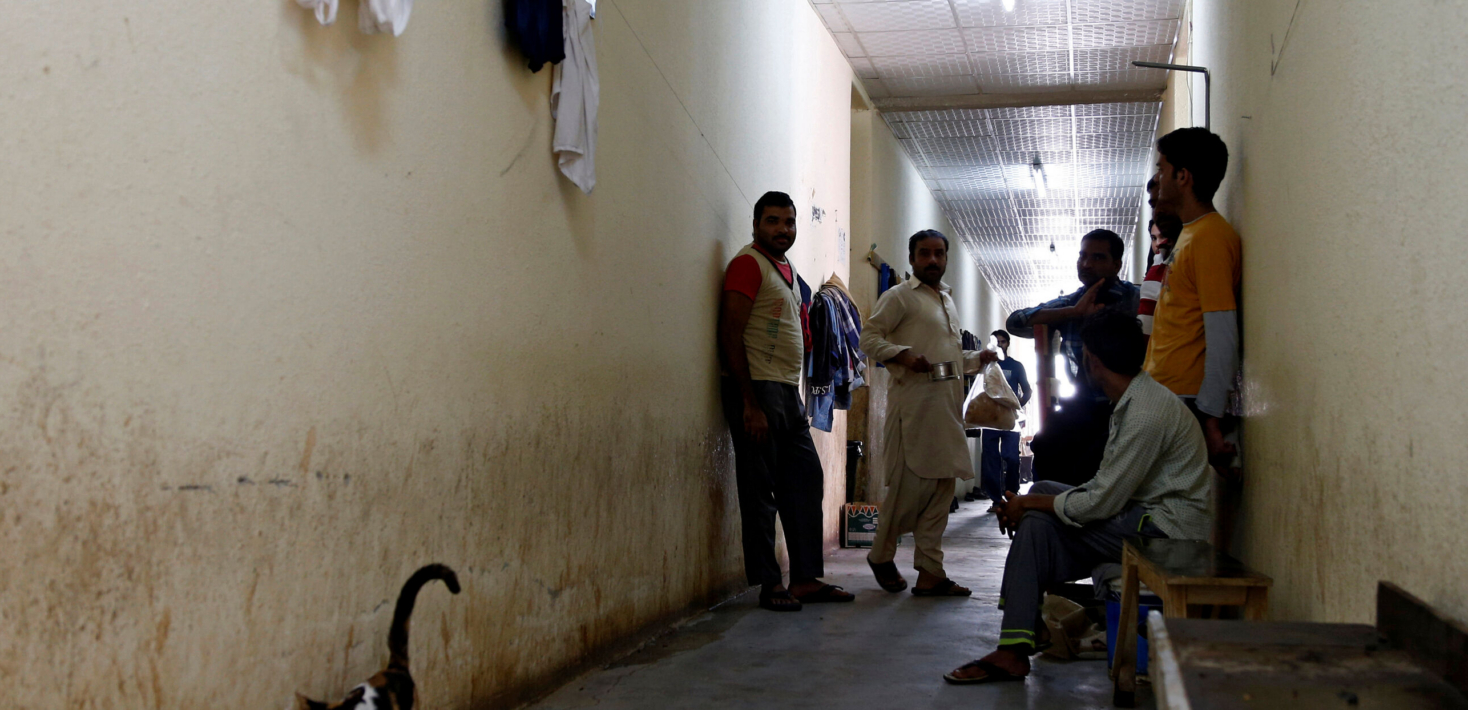
Migrant workers employed in Amazon warehouses in Saudi Arabia continue to face exploitation, poor working conditions and job insecurity despite measures introduced by the company to improve their treatment, Amnesty International has warned.
In a new report published on November 16, 2026, the human rights organisation said workers recruited through third-party labour supply companies remained vulnerable to abuse, particularly when their assignments at Amazon warehouses ended.
The findings follow an earlier Amnesty International investigation in 2023, which exposed allegations of recruitment abuses and poor working conditions affecting migrant workers employed in Amazon’s Saudi Arabian operations.
Following that investigation, Amazon reimbursed more than $2.45 million to 1,180 workers who had paid unlawful recruitment fees. The company also introduced measures to improve workers’ accommodation, reduce recruitment-related abuses and strengthen access to complaint mechanisms.
However, Amnesty said these improvements had not addressed the deeper problems associated with Amazon’s reliance on third-party labour suppliers.
The organisation’s latest findings are based on research conducted between September 2025 and March 2026. Researchers interviewed 24 migrant workers from India and Nepal who were currently working, or had recently worked, at an Amazon warehouse in Riyadh through three labour supply companies.
According to the report, some workers said recruiters had initially promised them direct employment with Amazon under two-year contracts. However, shortly before travelling to Saudi Arabia, they discovered that they would actually be employed by third-party companies.
Many said they would not have accepted the jobs had they known about the arrangement earlier.
Amnesty found that the labour supply companies continued to exercise considerable control over workers’ employment, immigration status and ability to change jobs or return home, despite reforms to Saudi Arabia’s kafala sponsorship system.
One Nepalese worker, identified as Prakash, said Amazon could end workers’ assignments without warning, leaving them uncertain about their future.
He described the situation as living under constant fear because workers never knew when they might be removed from their jobs.
The report also found that workers who lost their Amazon assignments were sometimes left without alternative employment or regular wages for weeks or months.
Although their work at Amazon had ended, they remained tied to the labour companies sponsoring their visas, making it difficult for them to find other employment or leave Saudi Arabia.
An Indian worker named Ayaan said he experienced severe financial hardship after his labour supply company stopped paying him while he waited to return home following the termination of his Amazon assignment.
He had been removed from his position after working for about a year, despite having a two-year contract.
Ayaan said he struggled to afford food during the three months he spent waiting to return to India, relying on colleagues who provided meals and other assistance.
Another worker, Ravi, said he was removed from his Amazon assignment after taking leave following the death of a close relative, even though his labour supply company had approved his absence.
He also alleged that the company refused to process his exit visa unless he paid an amount equivalent to two months’ salary. According to Ravi, the company had not provided him with alternative employment after his assignment ended.
He said workers were often prevented from returning home before completing their two-year contracts.
In its response to Amnesty, Amazon said it had strengthened its monitoring of labour supply companies through audits and complaint procedures.
The company said its requirements included ensuring that workers received outstanding wages and benefits when their assignments ended, helping them secure alternative employment, supporting transfers to other employers and covering the costs of returning home when alternative placements were unavailable.
Amazon also acknowledged the potential risks associated with Saudi Arabia’s exit and re-entry system but said immigration rules were determined by the government.
The company added that it required labour suppliers to facilitate workers’ mobility and process requests to leave the country without unnecessary delays. It said it would take action against suppliers that failed to meet its standards.
Beyond employment insecurity, Amnesty’s investigation found that migrant workers continued to experience demanding working conditions inside Amazon warehouses.
Workers described intense pressure to meet productivity targets, constant monitoring and threats of dismissal when they failed to meet performance expectations.
Deepak, who had worked as a warehouse picker for more than a year, said managers regularly threatened workers with termination if they failed to meet their targets.
He described how supervisors shouted at employees and warned them that they could lose their jobs if their performance did not improve.
Amnesty also found that although Amazon provided workers with access to its MyVoice complaint system, some employees were reluctant to report problems because they feared retaliation from the labour supply companies employing them.
Others said they lost access to the system after leaving Amazon’s facilities, making it more difficult to report problems involving their employers.
Amazon said it had introduced health and safety measures, worker education programmes and an anti-retaliation policy. It also pointed to a separate reporting channel available to workers who had left its operations.
Amnesty International said Amazon’s previous actions showed that the company could use its influence to improve conditions for migrant workers. However, it argued that the outsourcing arrangement continued to expose workers to serious risks.
The organisation called on Amazon to move away from relying on third-party labour supply companies and directly employ workers in its Saudi Arabian warehouses.
It also urged the company to introduce stronger safeguards to ensure that workers do not lose their income or become stranded without employment when their warehouse assignments end.
Amnesty further called on Saudi authorities to dismantle the kafala sponsorship system, which it said allows employers to exercise excessive control over migrant workers’ employment and freedom of movement.
Marta Schaaf, Amnesty International’s Programme Director for Climate, Economic and Social Justice and Corporate Accountability, said workers continued to experience uncertainty and fear both inside and outside Amazon warehouses.
She said that despite improvements in some areas, workers still faced demanding productivity targets, difficult working conditions and threats of losing their assignments.
Amnesty said the experiences documented in its latest investigation demonstrated that improving recruitment procedures and accommodation standards alone would not be enough to protect migrant workers while they remained dependent on labour supply companies for their jobs and legal status.