
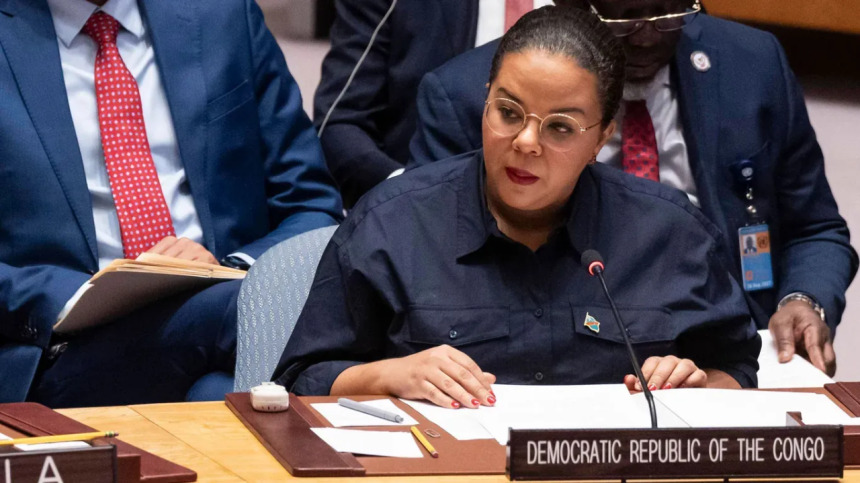
The Democratic Republic of Congo (DR Congo) has protested plans by five European countries to establish a migrant return centre in Rwanda, warning that the proposed partnership could undermine international efforts to end the conflict in eastern Congo.
Germany, Austria, Denmark, Greece and the Netherlands announced on November 16, 2026, their intention to work with Rwanda to establish a facility for migrants who have received return decisions from the participating European countries.
In a statement issued on November 19, DR Congo’s Ministry of Foreign Affairs, International Cooperation and Francophonie strongly criticised the proposal, questioning why European governments were expanding cooperation with Rwanda despite international pressure on Kigali over its alleged involvement in the conflict in eastern Congo.
Kinshasa argued that the arrangement raises concerns about the consistency of European foreign policy, particularly as the region continues to experience a serious humanitarian crisis linked to fighting involving the AFC/M23 rebel coalition and Congolese government forces.
The Congolese government pointed to reports by United Nations experts documenting Rwanda’s alleged military involvement in the conflict, as well as international condemnations and sanctions targeting Rwandan military officials and institutions.
It also cited United Nations Security Council Resolution 2773, unanimously adopted in 2025, which called for the immediate withdrawal of Rwandan forces from Congolese territory and an end to Rwanda’s support for the M23 armed group.
The ministry highlighted that Denmark and Greece had supported the resolution, questioning how the two countries could endorse demands for Rwanda to withdraw its forces while simultaneously pursuing a migration partnership with Kigali.
The diplomatic dispute comes as fighting in eastern DR Congo continues to displace communities, disrupt education and damage essential services.
According to figures from the International Organization for Migration cited by the Congolese government, AFC/M23 offensives around Goma and Bukavu displaced more than 1.15 million people in North and South Kivu during the opening months of 2025. More than 660,000 of those affected had already been displaced before being forced to flee again.
The government also referred to UNICEF estimates showing that more than 1.8 million children were out of school in eastern DR Congo by the end of May 2025 because of the conflict.
Congolese Foreign Minister Thérèse Kayikwamba Wagner called on the five European governments to reconsider the proposed arrangement and ensure that their migration policies do not conflict with their international commitments.
She said DR Congo condemned the proposed partnership and urged its European partners to demonstrate consistency in their commitments to international law, territorial sovereignty and regional peace.
Although Kinshasa acknowledged that European countries have the sovereign right to determine their immigration policies, it insisted that such decisions must respect international obligations and avoid contributing to instability in other countries.
The Congolese government has also requested clarification from the five European countries about the proposed centre, including its operational arrangements, financial and political implications, and safeguards against any direct or indirect contribution to the conflict.
Rwanda has previously pursued migration agreements with European governments, most notably its controversial partnership with the United Kingdom to relocate asylum seekers. However, the British government abandoned the arrangement in 2024.
Kigali has consistently rejected allegations that it supports the M23 rebels, citing security concerns along its border with DR Congo.
The latest disagreement highlights the growing diplomatic complications surrounding European efforts to establish partnerships with African countries to manage the return of rejected asylum seekers and other migrants.
For DR Congo, the proposed centre is not simply an immigration issue but also a question of whether European governments can pursue migration cooperation with Rwanda while maintaining their commitments to ending the conflict in eastern Congo.