
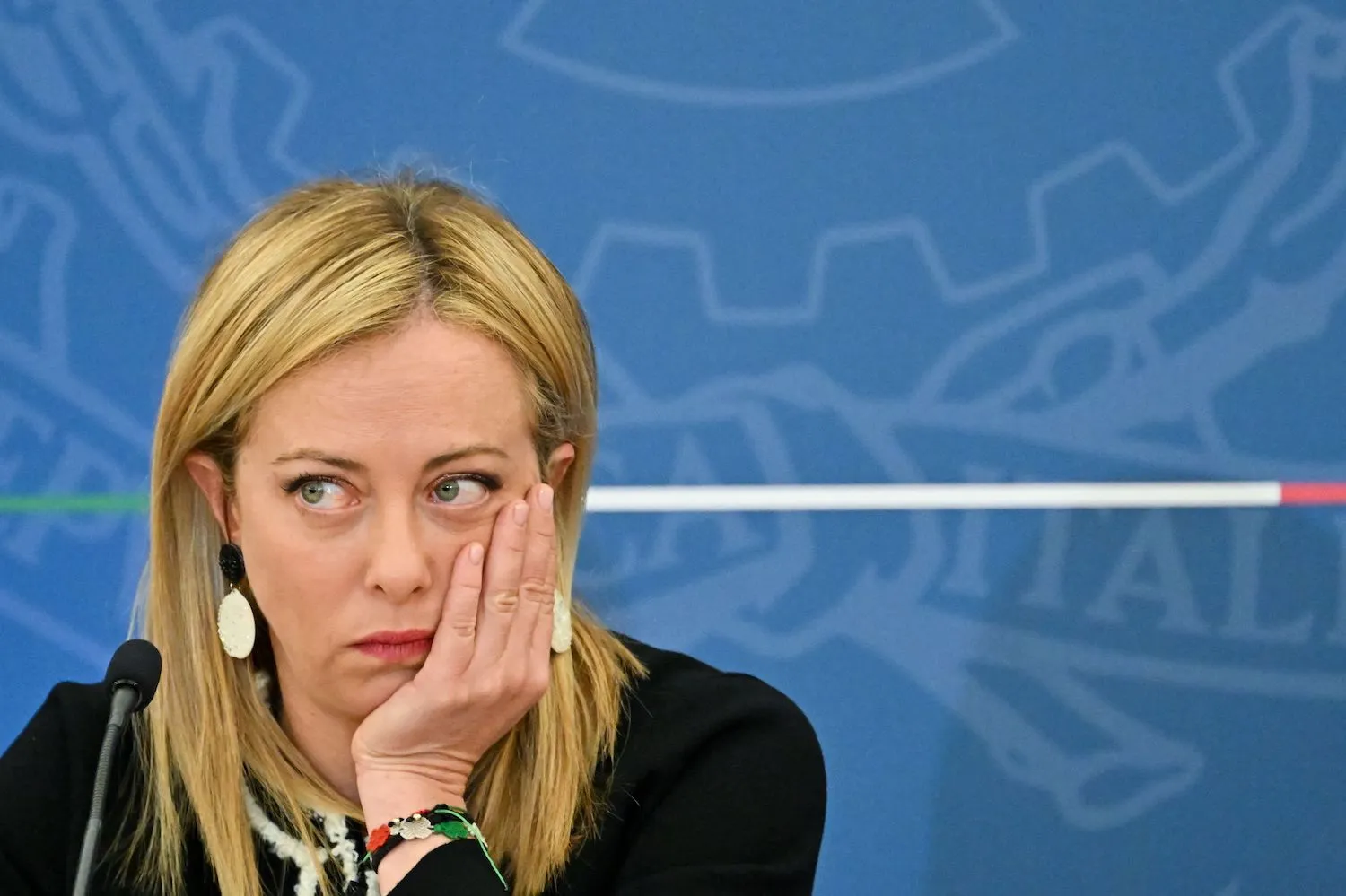
The government of Italy is facing strong criticism after a controversial proposal linked to Prime Minister Giorgia Meloni suggested offering financial incentives to lawyers who convince irregular migrants to leave the country voluntarily.
The proposal, widely described as a “repatriation bonus,” would see immigration lawyers receive €615 for each undocumented migrant they successfully persuade to return to their home country. The measure was introduced as a late amendment to a wider security bill that is currently moving through parliament.
The plan has sparked outrage among legal professionals, who argue that it threatens the independence of lawyers and undermines the basic principles of justice. The Union of Defence Lawyers strongly opposed the idea, stating that lawyers should not be financially rewarded for achieving outcomes that align with government objectives rather than their clients’ best interests.
Legal experts say the proposal creates a conflict of interest. Under Italy’s legal aid system, immigration lawyers are provided free of charge to migrants. However, under this new plan, lawyers would only receive payment if the migrant agrees to leave the country. Critics argue this could pressure lawyers to prioritize deportation outcomes over proper legal representation.
Dario Belluccio, a member of the Association for Legal Studies on Immigration, described the proposal as “dangerous” and unfair. He stressed that legal professionals must remain independent and focused solely on protecting their clients, not on achieving results set by the state.
The National Association of Magistrates also raised concerns, warning that the policy could weaken judicial protection for asylum seekers and migrants. According to the group, linking payment to a specific outcome risks damaging trust in the legal system and could affect how cases are handled.
The controversial bonus is part of a broader security bill that includes other debated measures. These include allowing authorities to detain individuals for up to 12 hours before protests if they are considered a threat, and offering initial legal protections for police officers accused of violence while performing their duties.
Opposition politicians have also criticized the proposal, calling for it to be removed before the bill is approved. Some have labeled it a “remigration bonus,” arguing that it reflects a wider effort by the government to tighten migration controls and increase deportations.
The debate comes amid ongoing tensions between Meloni’s government and the judiciary, particularly over migration policies. In recent months, the government has clashed with judges over plans to detain migrants in offshore facilities in Albania, as part of its strategy to reduce irregular migration.
Supporters of stricter policies argue that Italy needs stronger measures to control migration flows. However, critics say such policies risk undermining legal protections and human rights.
Recent data shows that irregular migrant arrivals by boat to Italy have dropped significantly this year, with about 7,300 arrivals recorded so far, compared to higher numbers in previous years. Analysts say this decline is partly due to increased cooperation between the European Union and countries like Libya and Tunisia, where migrants are often intercepted before reaching Europe.
Despite the drop in arrivals, the proposed law highlights the continuing political and legal tensions surrounding migration in Italy. The outcome of the debate will likely shape how the country balances border control with legal rights in the coming years.